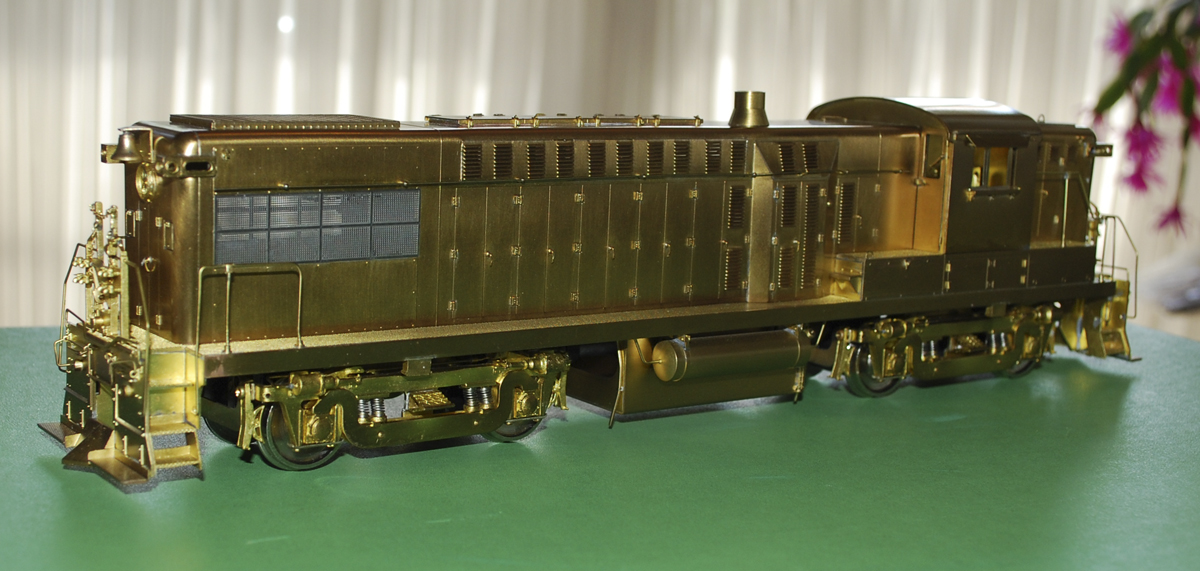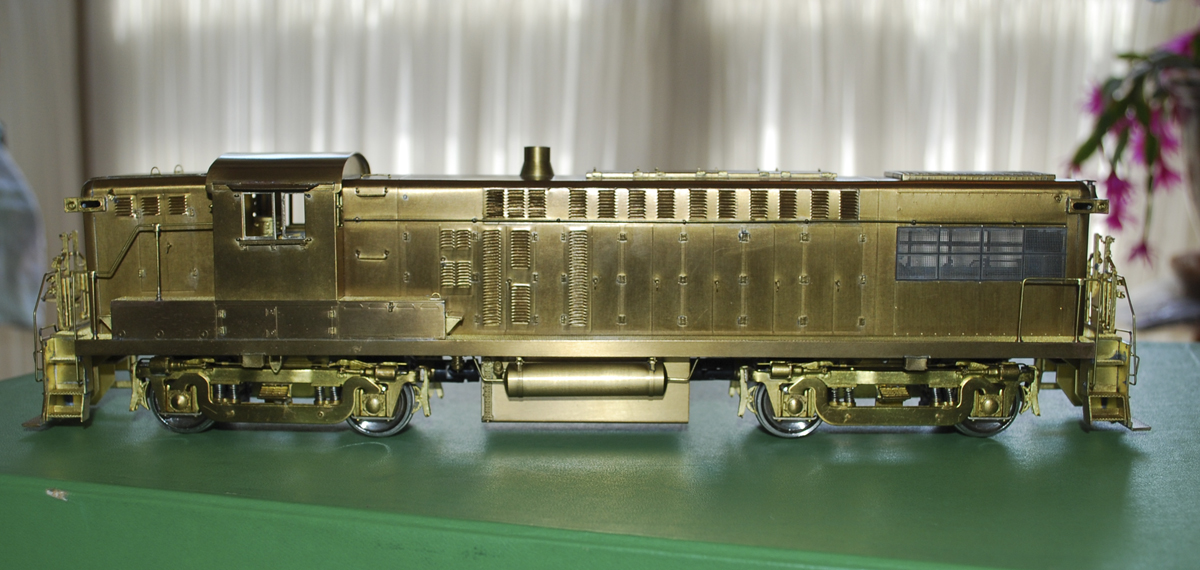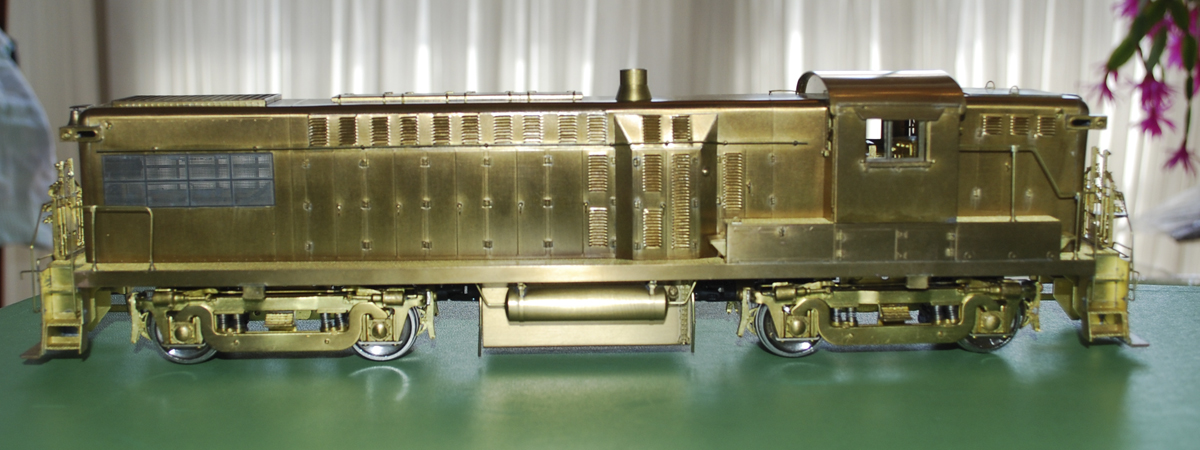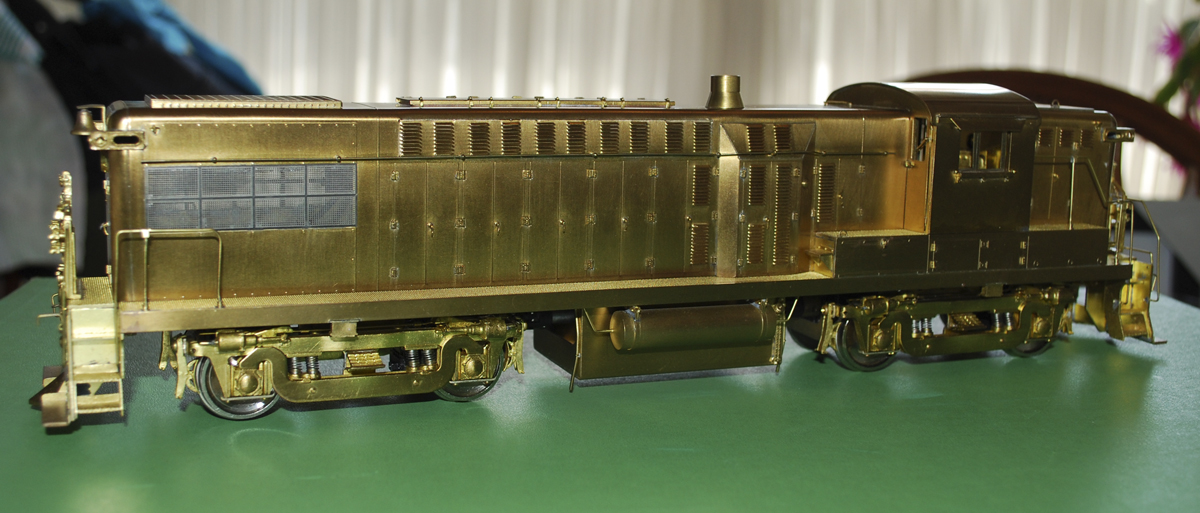
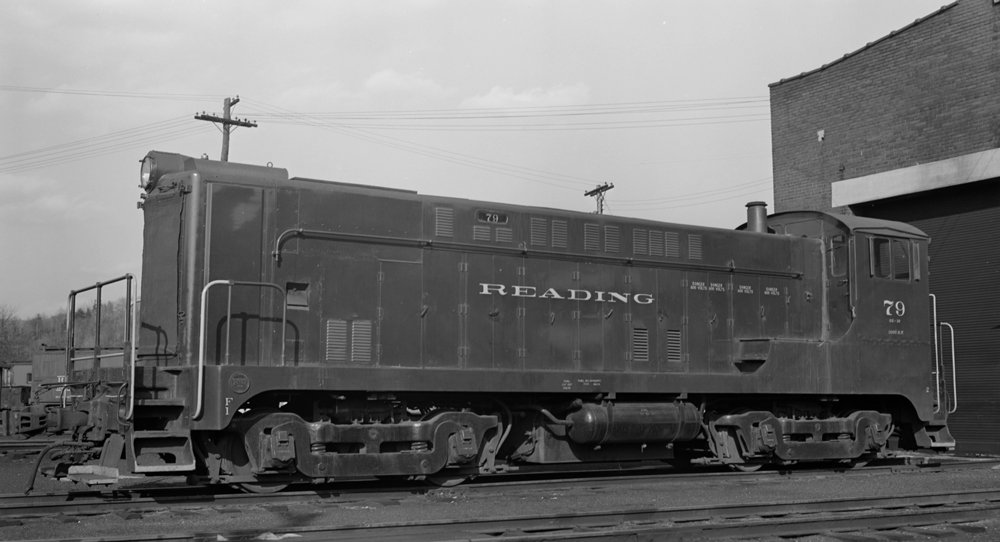
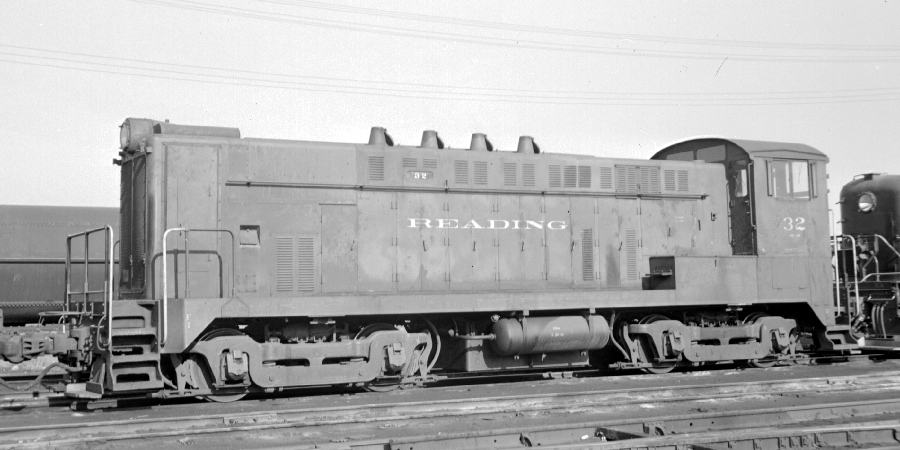
The Reading class OE-10 applies to both VO-1000 and early DS4-4-1000 end cab switchers. While the majority of the switchers on the Reading where concintrated in the Philadelphia area, the OE-10’s were seen in all parts of the railroad including the Shamokin Division.
The first pair of VO-1000’s #80-81 arrived in August of 1940 and had ovel grills like they early VO-660’s.
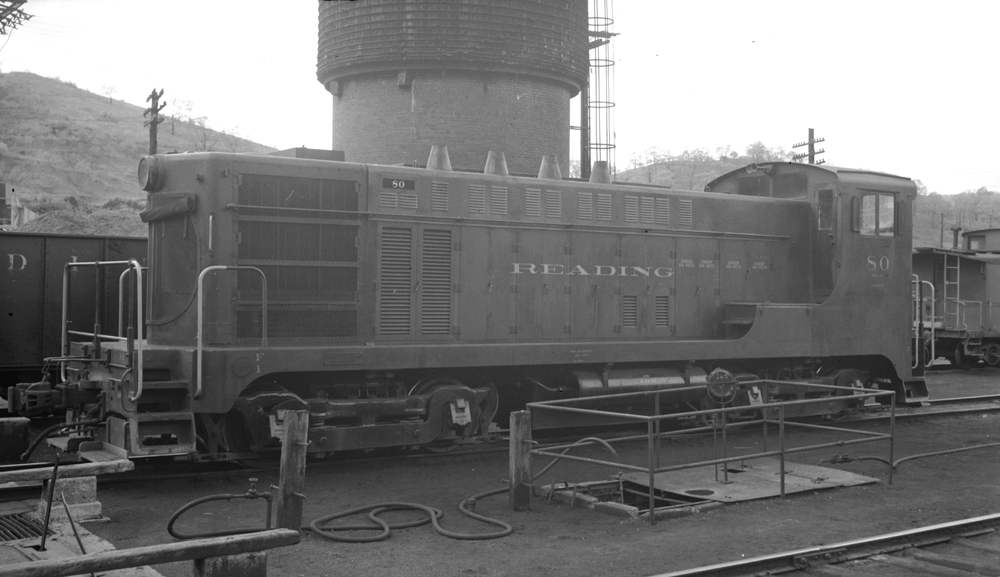
Reading OE-10 #80 at Shamokin, PA
The next VO-1000’s to arrive looked very muck alike. They had curved walkway boards, point radaitor grills in the front and single exhaust stacks near the cab.
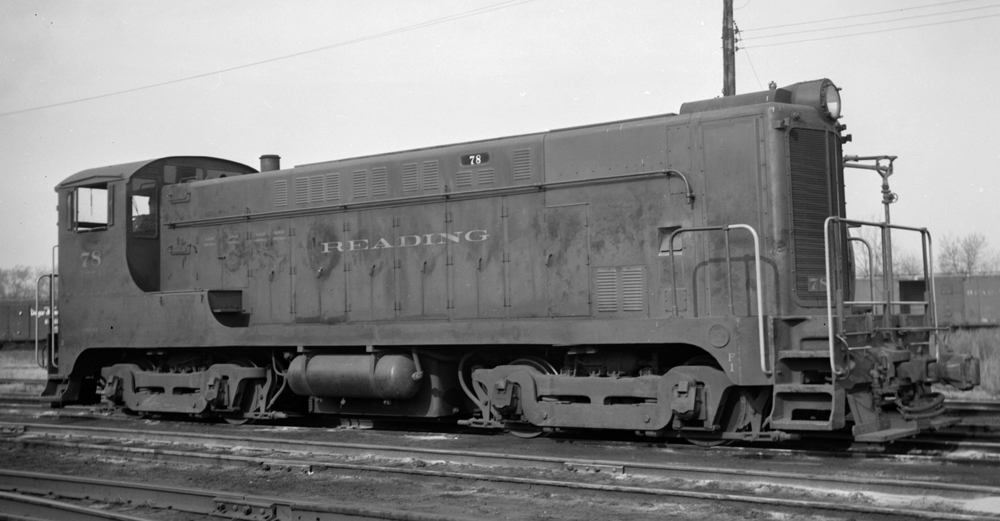
Reading OE-10 #78
In September of 1944 the Reading received #55-59, their last of their VO-1000’s from Baldwin. They differed from the earlier VO’s by having square cornered walkways.
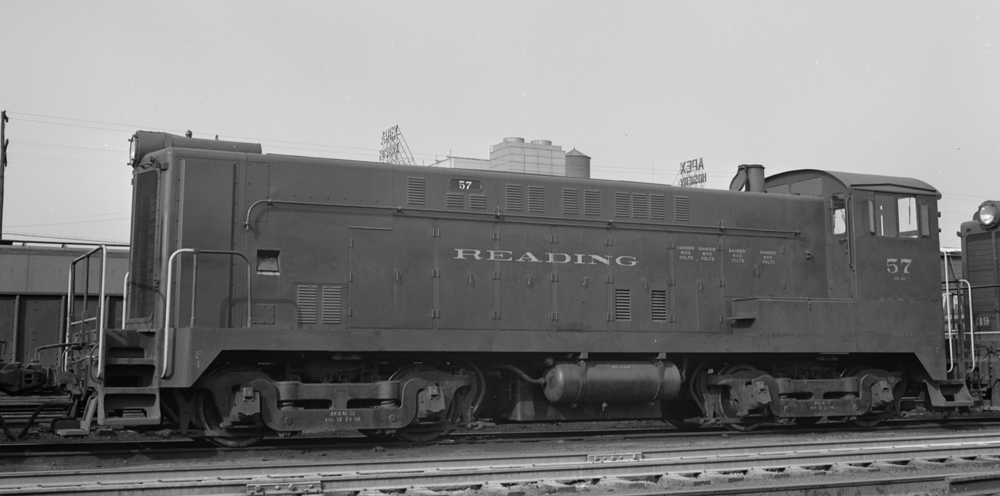
Reading OE-10 #57 is an example of the later car body style for the VO-1000
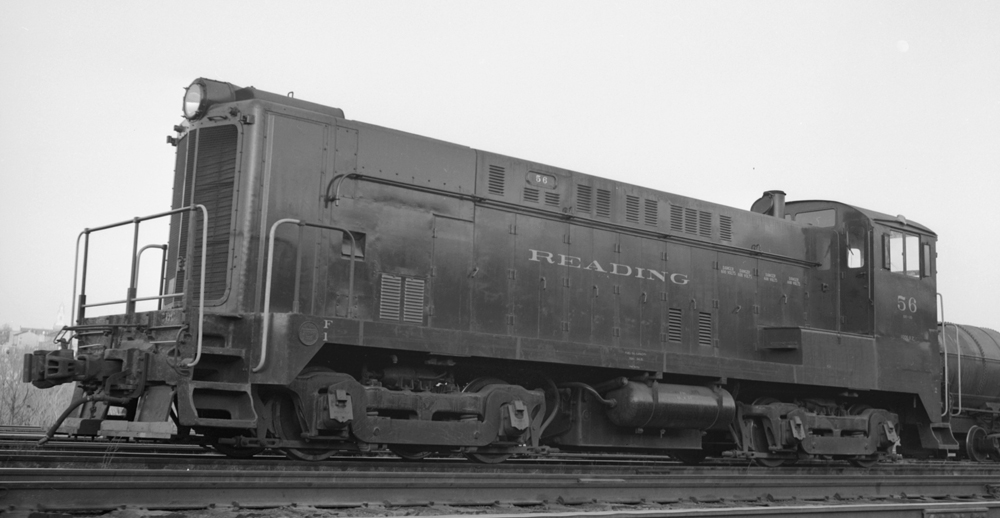
Reading OE-10 #56
The next group to be delievered #34-36 were amoung the first group of DS4-4-1000’s to be built. According to the Baldwin book they were built with parts left over from the VO production. The #35 has a VO radiator.
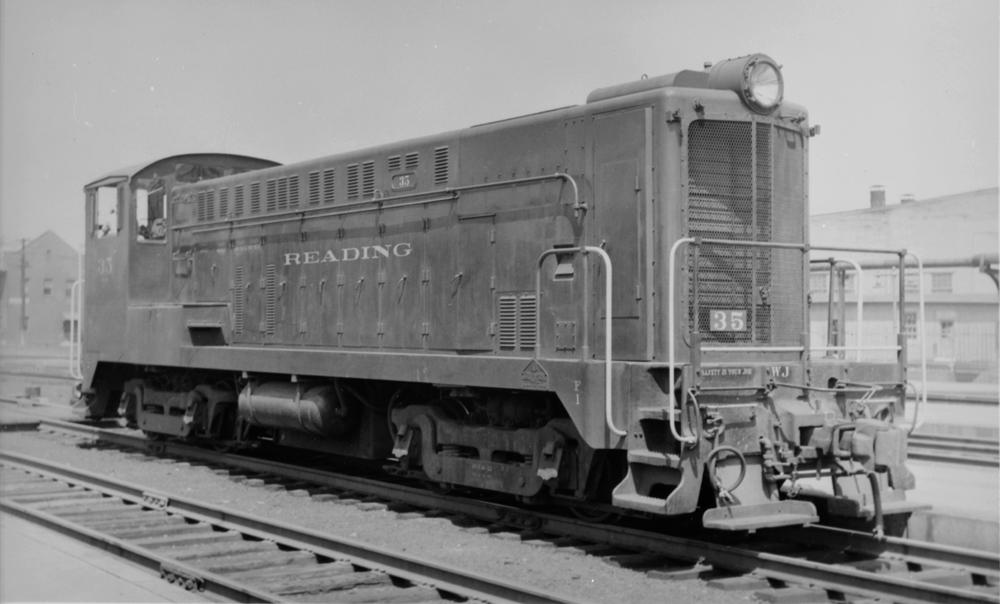
Reading OE-10 DS4-4-1000 with a VO front end
The rest of the DS4-4-1000’s had flat radiators. The DS4-4-1000’s were delievered with four exhaust stacks.
During the war Baldwin had found that the exhaust back-pressure could be reduced with the four stack exhaust and it reduced the heat the generator was subjected to increasing its efficiency. Restrictions from the War Production Board prohibited making the change during the war to the VO-1000’s. After the war Baldwin recommended that the change be made to the VO-1000’s Reading did that to some of their locomotives during later overhauls.
References:
Diesel Era – 1996 March/April – Reading’s Repowered Switchers.
Diesel Era – 1998 March/April – Reading’s First-Generation Diesels by by Paul K. Withers
Reading Diesels Volume 1 The First Generation – by Dale Woodland Photograph’s from George Losse Collection scaned from negatives.
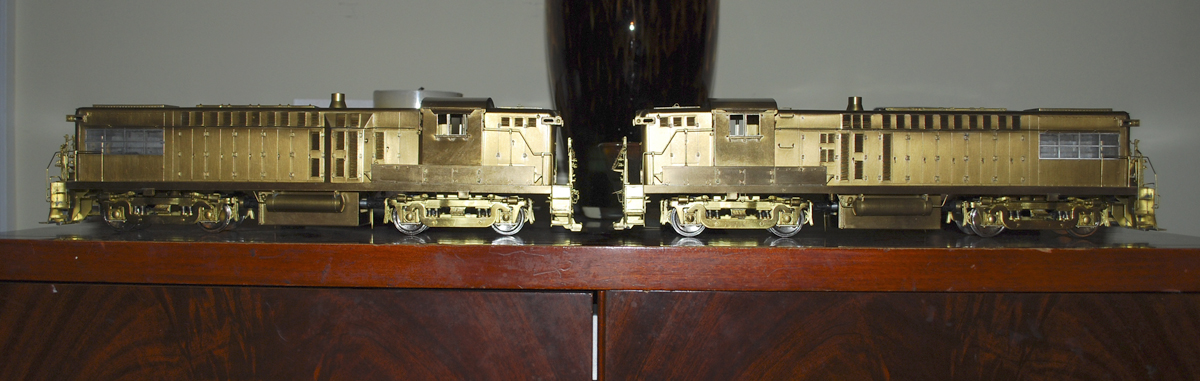
As more of the PRR models finding continue to find new homes. A second AS-16 arrived yesterday in as nice a condition as the first one. I can’t wait to get these painted.
Last night’s trading also brought a SGL G-3 to the roster. This will move my modeling clock back into 1952.
Yesterday at the Strasburg 2-Rail O Scale Train Show the first of my Sunset I1sa’s went to a new home and a new baby came home with me, an Overland Baldwin AS-16.
Possible prototypes that could be built from this model:
1951 built AS-16 Freight Unit: Add rain gutter on cab roof Remove the fuel tank between the trucks
1951 built AS-16 Passenger Unit: Add rain gutter on cab roof
1952 built AS-16 Freight Unit: Add rain gutter on cab roof Add Dynamic Brake opening on the short hood. Remove the tank behind the cab on the short hood
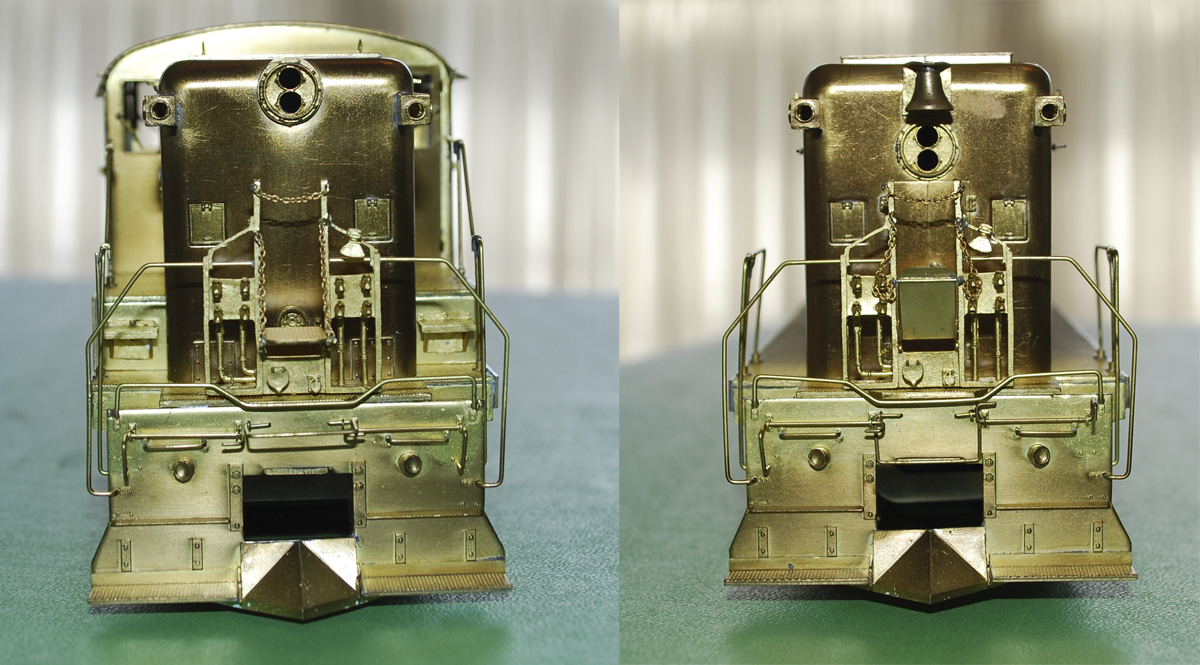
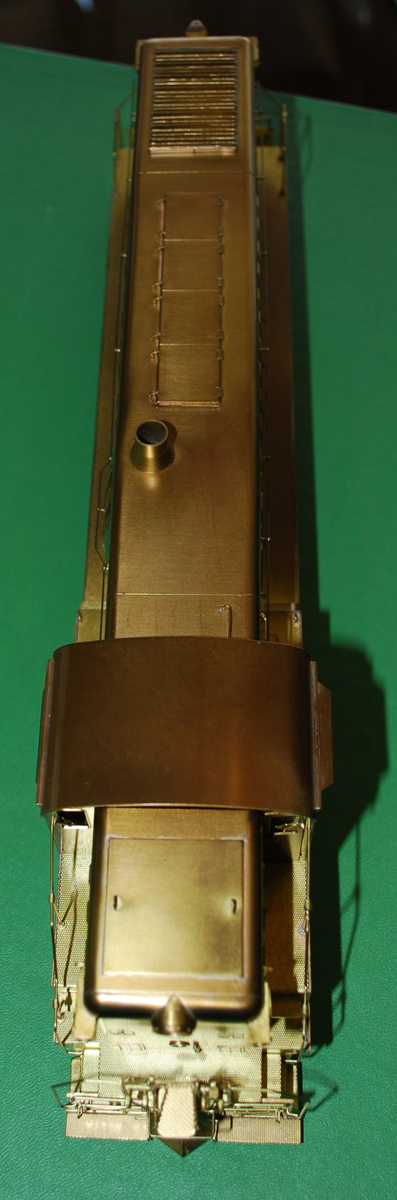
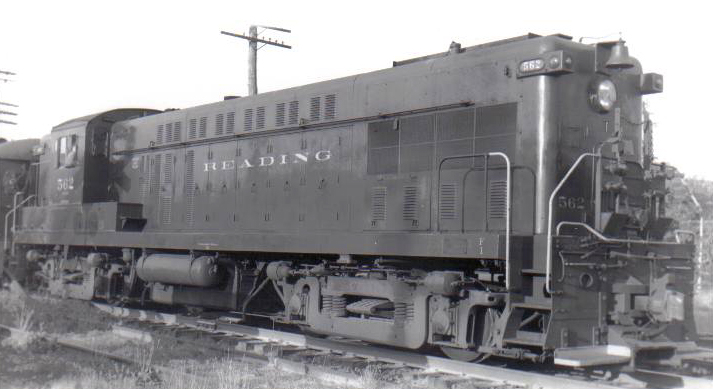
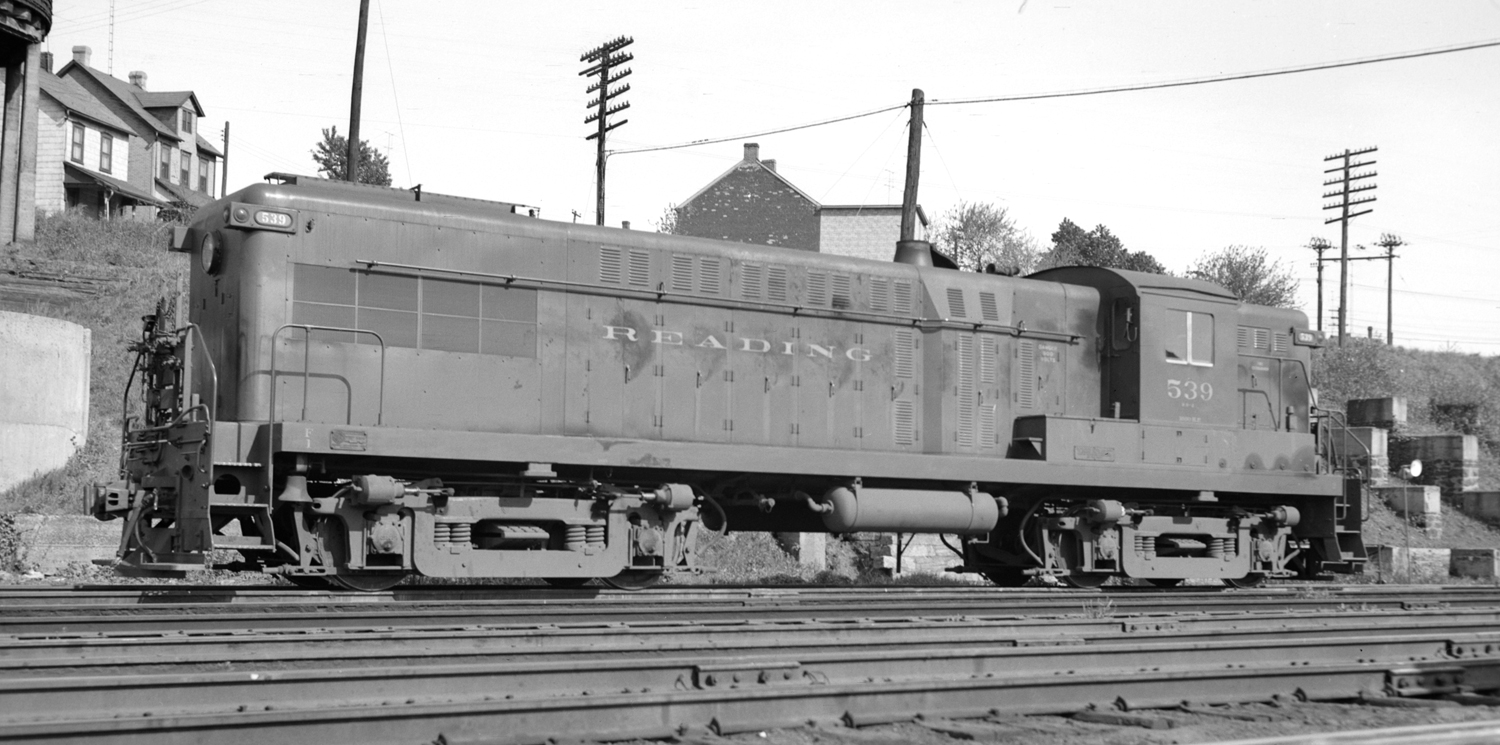
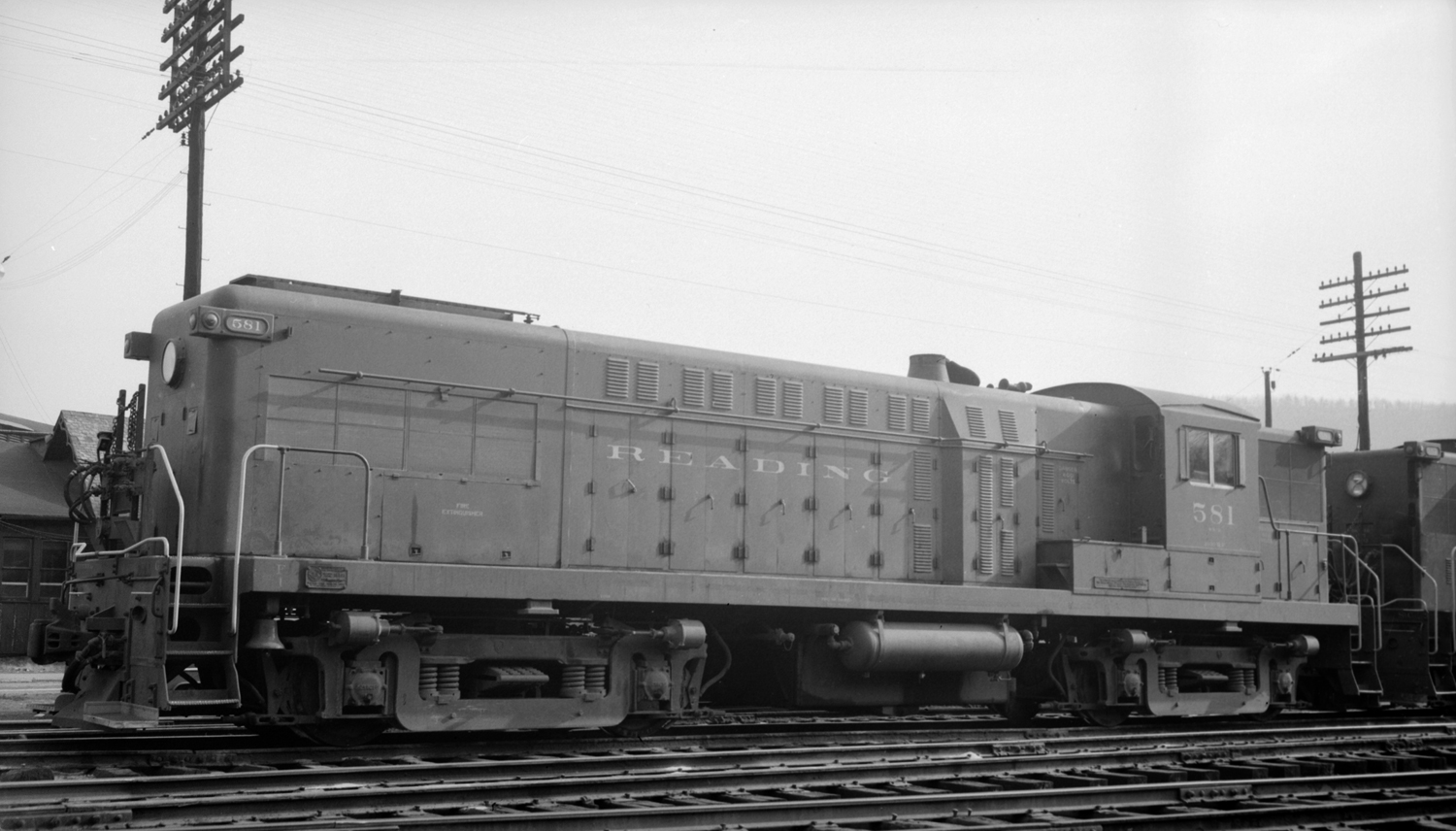
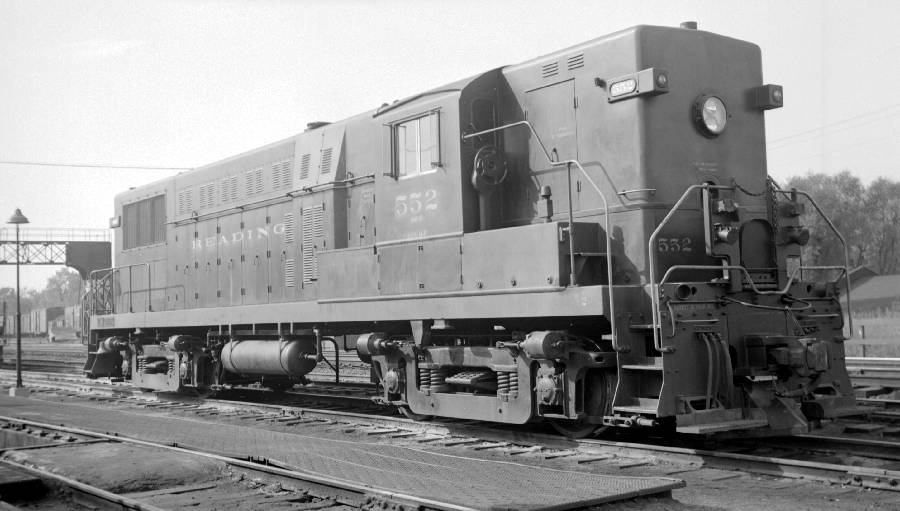
Overland AS-16Engineers side viewFireman’s side viewFireman’s 3/4 viewEnd views
The Reading Company had been a long time buyer from Baldwin locomotive Works. They had bought steam locomotive from them and had been very happy with the diesel switchers made by Baldwin. When the railroad turn to the road switcher models they again turned to Baldwin and bought their AS-16 model.
There are good sources of information on these units in print. Here is a short list:
Diesels of the Reading Company Volume 1, Paul K. Withers
Reading Diesels Volume 1 The First Generation, Dale Woodland
While each group of AS-16’s were different they did have a few things in common. They all had walkways over the top of the vent in the roofs. Most had louvers on the engineer’s side of the long hood under the air intakes. They all had railroad applied rain gutters applied to the cab roofs.
All the AS-16’s were delivered in the Pullman Green paint scheme, and they wore it until they were retired. As delivered they had green handrails and low numbers on the ends of the locomotives. During sometime around 1953 the handrails were painted the safety yellow. Sometime near 1956 the end numbers started to move up on the end. I would imagine so that the tower operators could see the numbers.
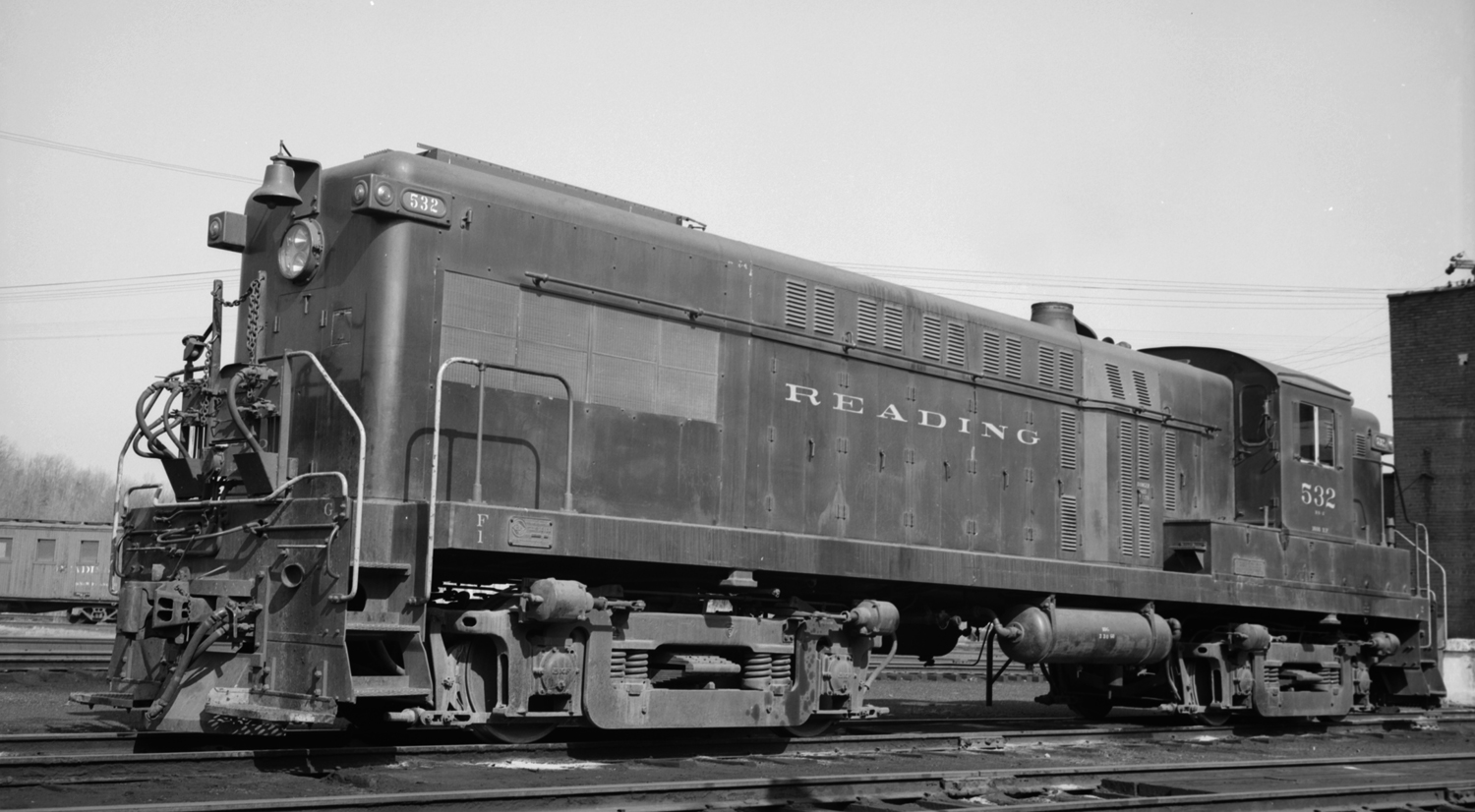
The first group #530-537 arrived on the property from 7/51-9/51. They were straight freight locomotives without dynamic brakes. They had 900 gallon fuel tanks above the frame directly behind the cabs, leaving the space between the trucks under the locomotive open. Their bell’s were mounted at the top of the long hoods. The long hoods were forward.
The next four locomotives to arrive were 560-563 were dual controlled, steam generator equipped passenger locomotives. They were based out of Green Street engine house. Their 1000 gallon fuel tank was under the frame between the trucks. The 900 gallon tank behind the cab was used for water for the steam generator. The bell was still mounted on the end of the locomotive.
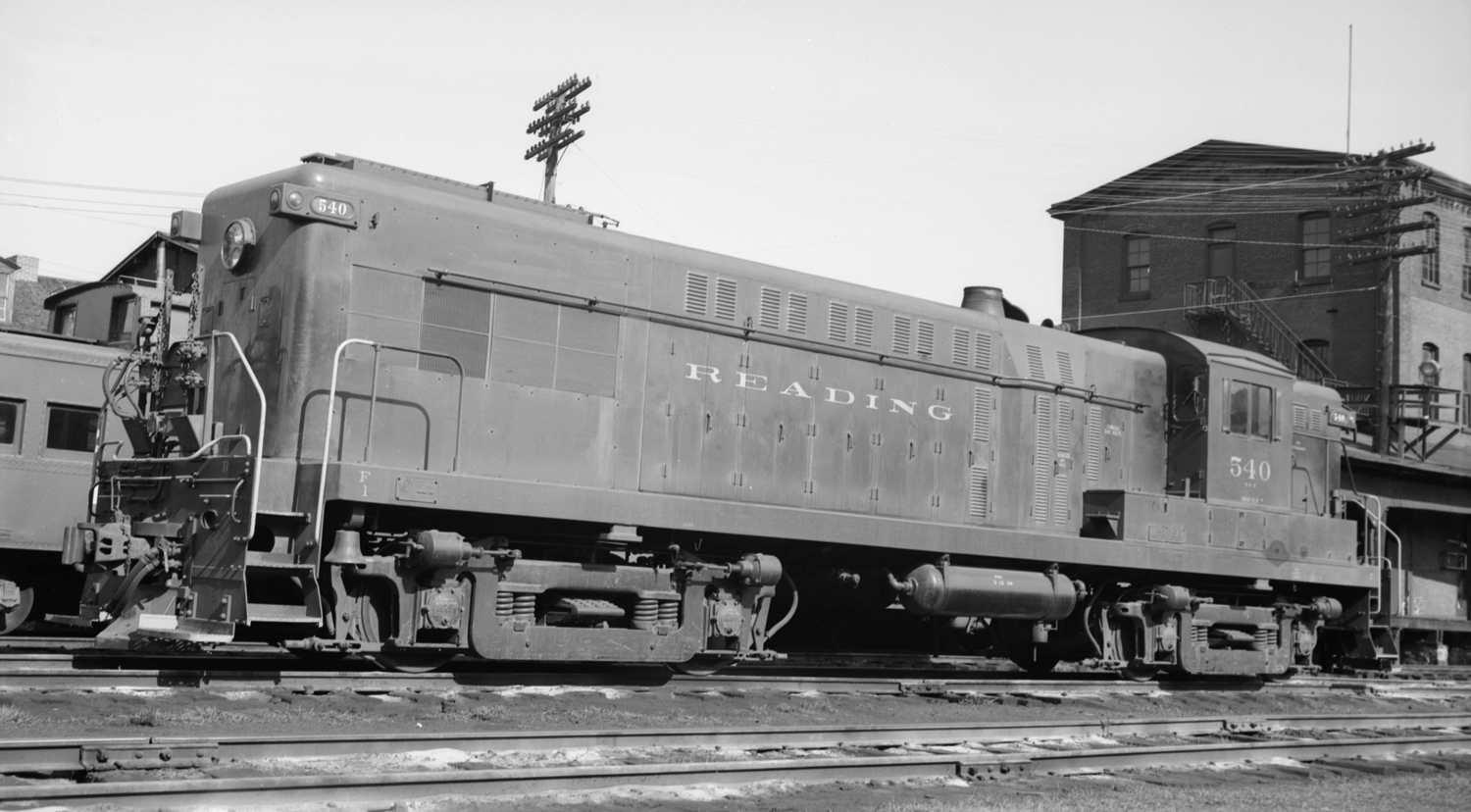
The next group of freight units #538-550 arrived 10/51-11/51. Externally they differed from the first group of freight units only in the moving of the bell from the end to under the frame on the fireman’s side of the front of the locomotive. Not visible to the modeler they were heavier than the first group by 1100 lbs.
The next group of AS-16’s #576-589 arrived on the property between 6/52-7/52. They were equipped with dynamic brakes in the short hood, the bell mounted under the frame, had a 1000 gallon fuel tank under the frame between the trucks and did not have a tank of the short hood end of the locomotive. In addition they were 1300 lbs. heavier than the last group of freight locomotives.
The grill work in the short hood for the dynamic brake required the number boards be moved up the car side to the top of the short hood.
The last group of Baldwins #551-554 arrived 10/53. The order started out a 10 units but the railroad cut the order to just four units. The six locomotives left over at Baldwin were later sold to the PRSL without the Dynamic brake equipment. This was also the first use of Baldwin’s new carbody design which had enough room to move the dynamic brake equipment into the long hood. This order went back to the use of the 900 gallon fuel tank behind the cab. leaving the space under the long hood between the trucks open.
One of the problems the railroad had with the Baldwins was that they could not MU with other locomotives. Worse than that, they could not even MU with each different order. The 1951 locomotives could not MU with the 1952 units until the railroad made modifications to the load regulators, costing the railroad $16,820 per unit for the modifications. This could also account for why early photos of the Baldwins show them MU’ing with other units from the same orders. The 1953 locomotives never were able to MU with the rest of the Baldwin fleet. They had electric throttles which aloud them to MU with other manufactures locomotives but not the other Baldwins.
Most of the photos that have been published have been of the units later in life. This is understandable as they replaced steam locomotives as they arrived and most railfans tried to capture what was going away instead of what was replacing it. Why not, the new units would be around for another 15 years? What few photos are around of the units in their first years show that changes came to them early. I’ve already pointed out the numbers on the ends move higher. The hand rails get painted with safety colors and also they added louvers under the long hood’s air intake on the engineer’s side of the locomotive. This appears to have happened in late 1952 or early 1953, after my modeling period of the Summer of 1952.
Below is a chart of the Baldwin AS-16 roster on the Reading. Some of the data is pulled from the Diesel Era article on the Reading AS-16’s and some from photos. Assignment refers to engine house assignments painted on the locomotive as seen is photos of the units.
No.
Built
DB
Bell
Fuel Tank
Assignment
530
7-51
–
Top
Walkway
StC
531
8-51
–
Top
Walkway
SH
532
8-51
–
Top
Walkway
G
533
8-51
–
Top
Walkway
CATA
534
9-51
–
Top
Walkway
G
535
9-51
–
Top
Walkway
536
9-51
–
Top
Walkway
SH
537
9-51
–
Top
Walkway
G
538
10-51
–
UF
Walkway
G
539
10-51
–
UF
Walkway
540
11-51
–
UF
Walkway
R
541
11-51
–
UF
Walkway
542
11-51
–
UF
Walkway
StC
543
11-51
–
UF
Walkway
G
544
11-51
–
UF
Walkway
SH
545
11-51
–
UF
Walkway
546
11-51
–
UF
Walkway
StC
547
11-51
–
UF
Walkway
548
11-51
–
UF
Walkway
549
11-51
–
UF
Walkway
550
11-51
–
UF
Walkway
StC
551
10-53
LH
UF
Walkway
552
10-53
LH
UF
Walkway
553
10-53
LH
UF
Walkway
554
10-53
LH
UF
Walkway
560
9-51
–
Top
UF
GS
561
9-51
–
Top
UF
GS
562
9-51
–
Top
UF
GS
563
9-51
–
Top
UF
GS
576
6-52
SH
UF
UF
577
6-52
SH
UF
UF
578
6-52
SH
UF
UF
579
6-52
SH
UF
UF
StC
580
6-52
SH
UF
UF
581
6-52
SH
UF
UF
StC
582
7-52
SH
UF
UF
583
7-52
SH
UF
UF
StC
584
7-52
SH
UF
UF
585
7-52
SH
UF
UF
StC
586
7-52
SH
UF
UF
StC
587
7-52
SH
UF
UF
StC
588
7-52
SH
UF
UF
589
7-52
SH
UF
UF
StC
References:
Diesels of the Reading Company Volume 1, Paul K. Withers
Diesel Era – 1991 September/October – Reading Baldwin AS-16 Road Switchers by Gerard E. Bernet.
Diesel Era – 1998 March/April – Reading’s First-Generation Diesels by by Paul K. Withers
Reading Diesels Volume 1 The First Generation – by Dale Woodland
Photograph’s from George Losse Collection either scanned from negatives or prints.
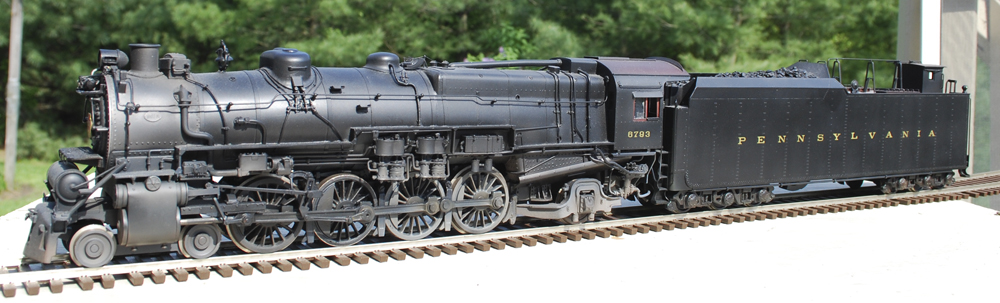
The first of my O scale PRR models sold today and it’s not an April Fool’s day joke.
I have always thought of myself as a PRR modeler. I’ve been building and collecting O scale models of PRR equipment for over twenty-five years. About five years ago I began to focus my model building on a particular branch and a fixed period in time, The PRR Elmira Branch in 1956. This caused a refinement/thinning of the collection. Models that did not fit the time frame or location were sold off and appropriate models were bought.
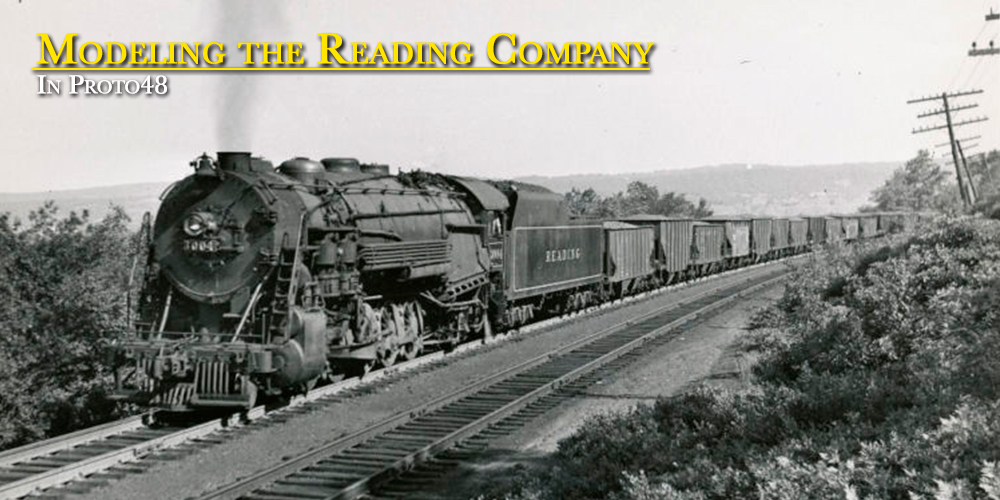
I did well at the last National selling/trading off surplus models and aquiring models for the Elmira Branch. Since the National I have on a number of occasions talked about one Reading Caboose that I thought about buying but didn’t. I didn’t talk about the two Steam Locomotives that joined the roster, I talked about the one caboose that wasn’t even needed for the proposed railroad.
I have struggled with a layout design for the last two years. I have been trying to find a way to fit in more Reading models into the layout. Thinking maybe the interchange at Williamsport might be enough. It wasn’t enough.
So, I started to look at the PRR Shamokin Branch. Plenty of I1sa running, lots of hopper cars moving, so it looked like a good fit. But as I explored the branch more and learned more about it. I started to shift my focus/research from PRR as main modeling interest to the Reading as the main modeling interest.
Actually, I’ve had more fun researching the Reading these last three months since shifting to the Shamokin area then the last 15 years worth of modeling the PRR. So now I have to think of myself as a Reading Modeler.