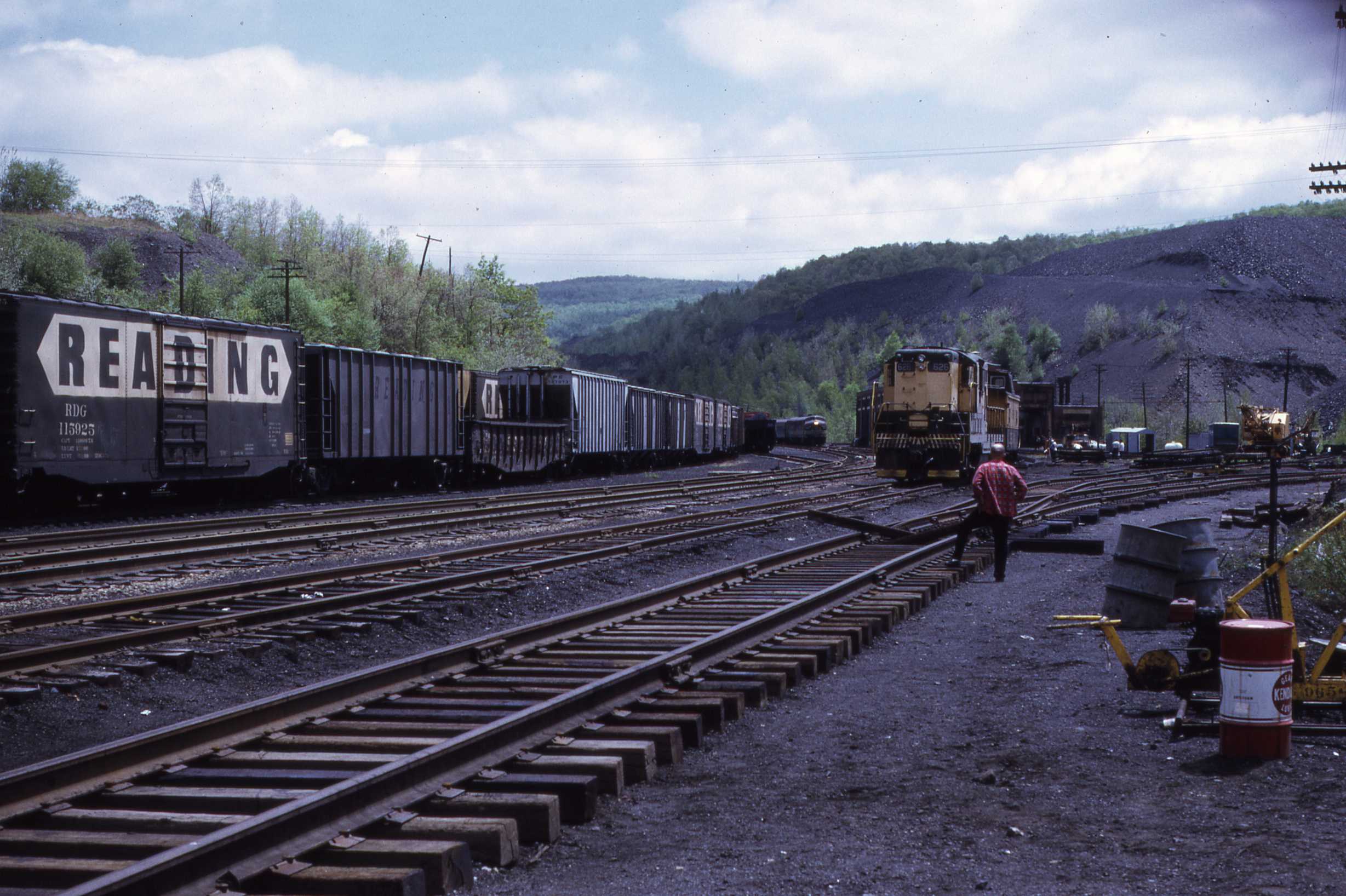
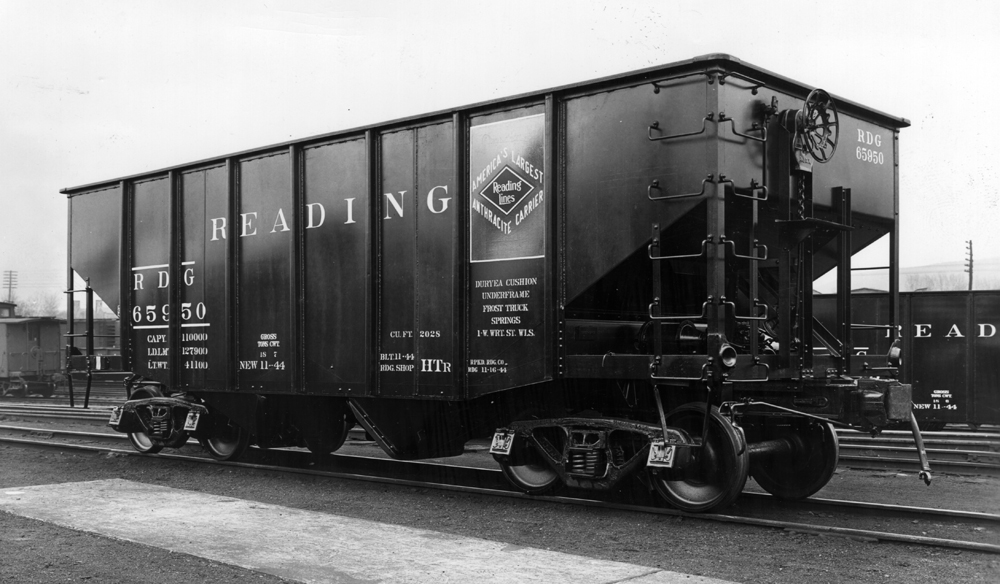
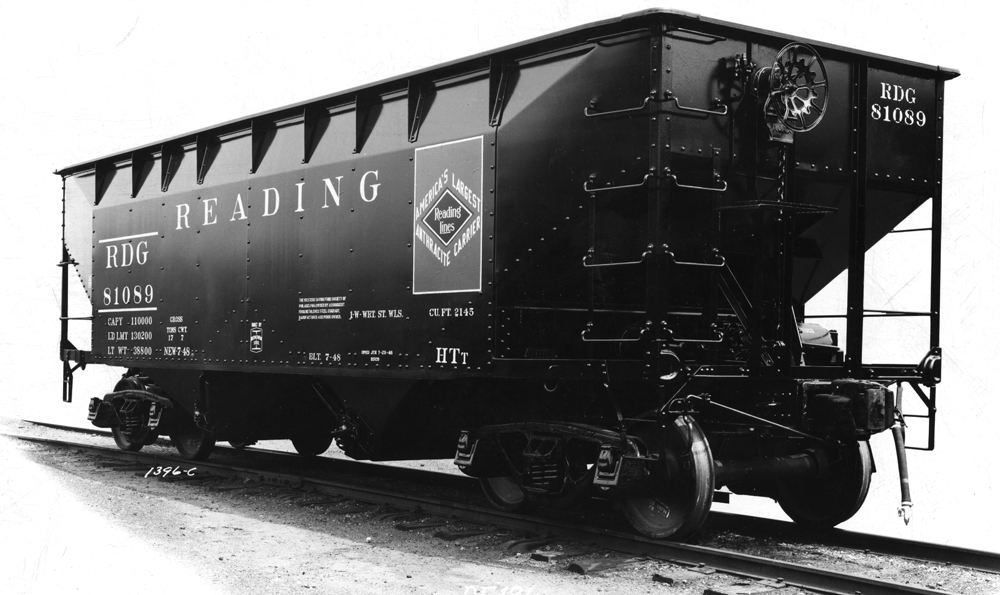
The Summer of 1952, my modeling period, was a time of change for the Reading open hopper car fleet. The oldest cars of the fleet, class HTf, dated back to 1910 were being retired and the newest HTv’s were being built in 1952.
There were six open hopper car types split into twelve car classes. The majority of the fleet was comprised of 50 ton twin hoppers except for the two classes of 70 ton quad hoppers class HTl and HTn.
In March of 2012, I gave a presentation on “Modeling Reading Company Open Hopper Cars 1948-1956” I’ve posted the handout from the clinic. Dowload the handout
Milestones In Open hopper car painting:
1923-1940 Underlined “Reading” Car Number Centered On Car
1940 Roman lettering without red herald New with Class HTO
1942-1954 Roman lettering with red herald
2-17-42 revision on an HTj paint diagram “Added Stencil “America’s Largest Anthracite Carrier”
1955-1958 “Speed” lettering with red herald
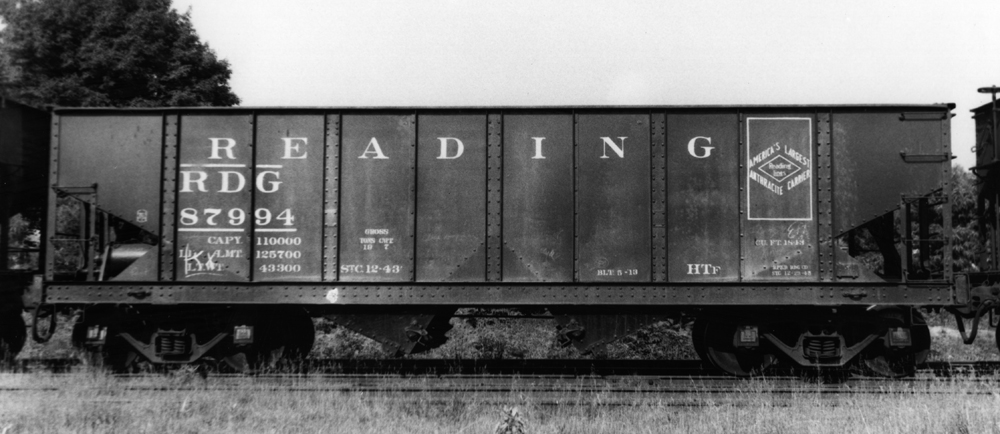
Reading HTf 87994
Reading HTf
Car Numbers
Builder
Built
Qty Built
1/52 ORER
Service Life
Inside Length
86000-86999
American Car & Foundry
1913
1000
334
1910-1953
32′ 10″
87000-87999
Cambria Steel Co.
1913
1000
88000-88999
Standard Steel Car Co.
1911
1000
89000-89999
American Car & Foundry
1910
1000
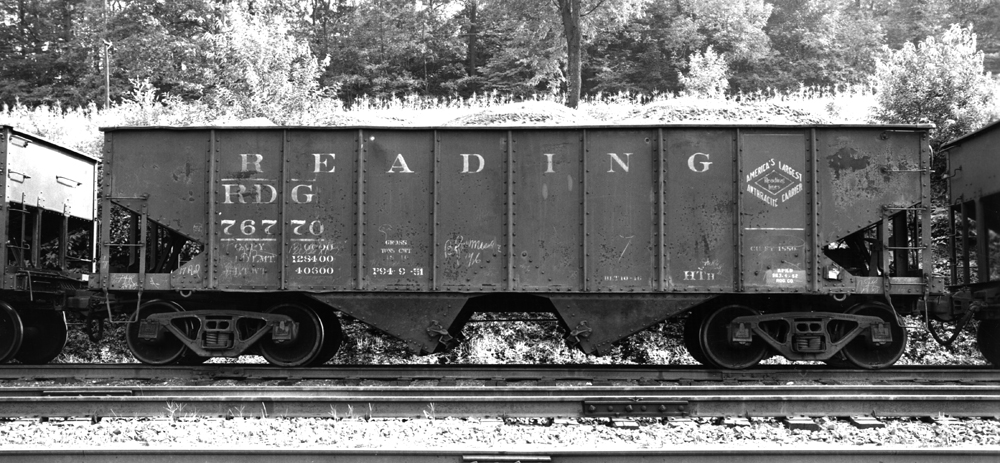
Reading HTh 76770
Reading HTh
Car Numbers
Builder
Built
Qty Built
1/52 ORER
Service Life
Inside Length
74500-75499
Cambria Steel Co.
1917
1000
4214
1916-1960
32′ 10″
75500-75999
Standard Steel Car Co.
1917
500
76000-76499
Pressed Steel Car Co.
1917
500
76500-76999
Pressed Steel Car Co.
1916
500
77000-77499
Standard Steel Car Co.
1917
500
77500-77999
Standard Steel Car Co.
1916
500
78000-78999
Pressed Steel Car Co.
1916
1000
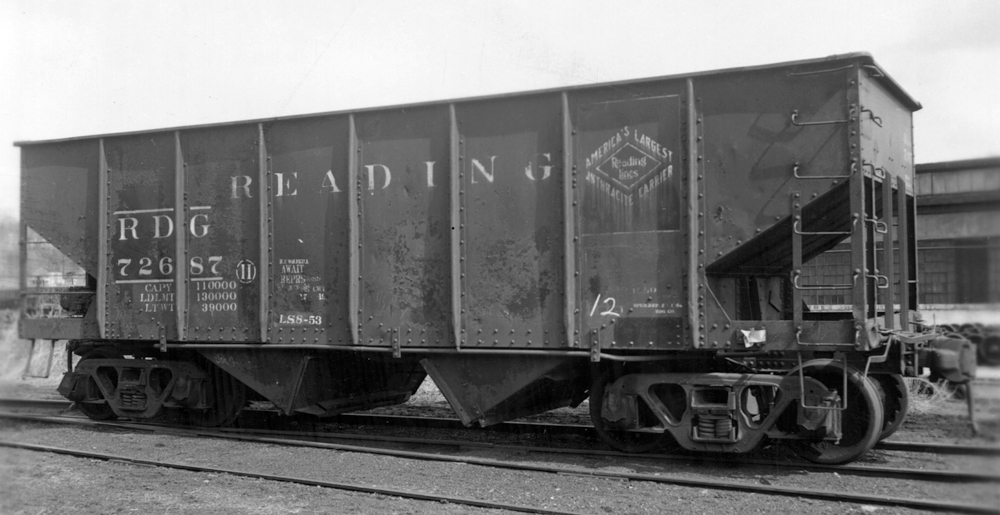
Reading HTj 72687 (USRA Twin Hopper)
Reading HTj
Car Numbers
Builder
Built
Qty Built
1/52 ORER
Service Life
Inside Length
72500-73499
Standard Steel Car Co.
1919
500
1831
1919-1964
30′ 6″
73500-74499
Ralston Steel Car
1919
500
Reading HTl 70843
Reading HTl
Car Numbers
Builder
Built
Qty Built
1/52 ORER
Service Life
Inside Length
70500-70999
Pressed Steel Car Co.
1922
500
3504*
1922-1964
39′
71000-71499
Standard Steel Car Co.
1922
500
71500-71999
Midvale Steel & Ordinance
1922
500
72000-72499
American Car & Foundry
1922
500
Reading HTn
Car Numbers
Builder
Built
Qty Built
1/52 ORER
Service Life
Inside Length
68500-69499
Bethlehem Steel Corp.
1925
1000
3504*
1924-1964
39′
69500-69899
Pressed Steel Car Co.
1924
400
69900-70099
Standard Steel Car Co.
1924
200
70100-70299
Bethlehem Steel Corp.
1924
200
70300-70499
American Car & Foundry
1924
200
*ORER record is for combined totals of both classes HTl and HTn.
Reading HTr 65950
Reading HTo
Car Numbers
Builder
Built
Qty Built
1/52 ORER
Service Life
Inside Length
80000-80999
Reading Shops
1941
1000
995
1941-1976
31′-0″
Reading HTp
Car Numbers
Builder
Built
Qty Built
1/52 ORER
Service Life
Inside Length
67000-67299
Reading Shops
1942
300
339
1941-1976
31′-0″
67300-67338
Reading Shops
1943
39
Reading HTr
Car Numbers
Builder
Built
Qty Built
1/52 ORER
Service Life
Inside Length
65000-65999
Reading Shops
1944
1000
996
1944-1976
31′-0″
Reading HTs
Car Numbers
Builder
Built
Qty Built
1/52 ORER
Service Life
Inside Length
66000-66999
Reading Shops
1943
1000
995
1943-1976
31′-0″
67339-67999
Reading Shops
1944
661
659
1944-1976
Reading HTss
Car Numbers
Builder
Built
Qty Built
1/52 ORER
Service Life
Inside Length
66000-67999
Reading Shops
1951
2
1951-1976
31′-0″
Reading HTt 81089
Reading HTt
Car Numbers
Builder
Built
Qty Built
1/52 ORER
Service Life
Inside Length
81000-81999
Bethlehem Steel Corp.
1948
1000
1000
1948-1967
33′-0″
Reading HTu
Car Numbers
Builder
Built
Qty Built
1/52 ORER
Service Life
Inside Length
82000-82749
Bethlehem Steel Corp.
1949
750
749
1949-1967
33′-0″
Reading HTv
Car Numbers
Builder
Built
Qty Built
1/52 ORER
Service Life
Inside Length
83000-83999
Bethlehem Steel Corp.
1950
1000
3000
1950-1967
33′-0″
84000-84999
Bethlehem Steel Corp.
1951
1000
85000-85999
Bethlehem Steel Corp.
1952
1000
Note more HTv’s were built AFTER my modeling period of 1952.
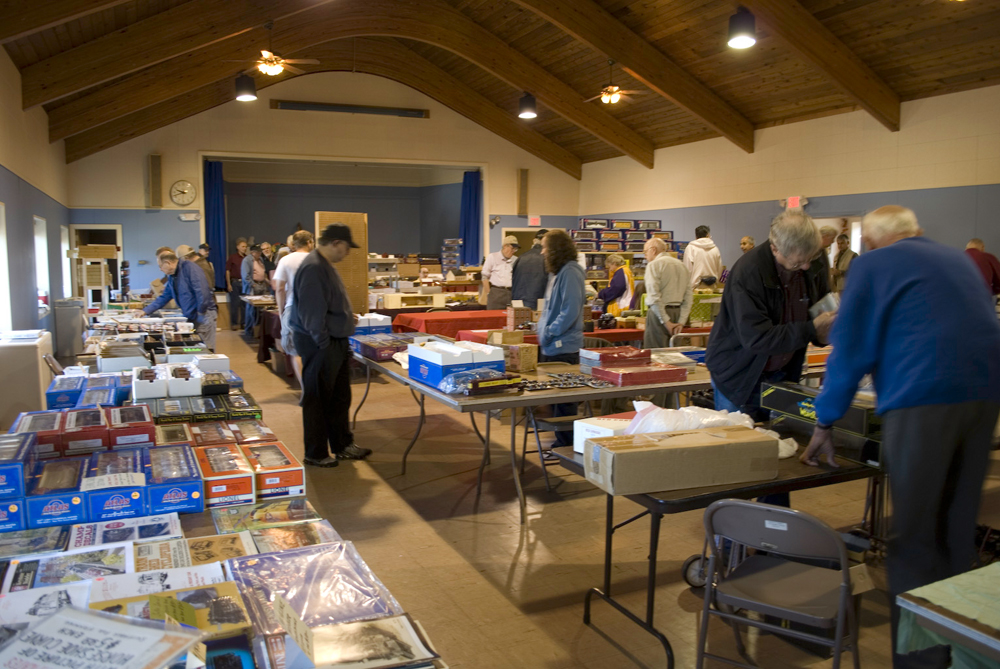
Well I decided to take a little ride today, to visit the Southern New England Model Railroad Club layout and attend their O scale Show located in Gardner Massachusetts. From my home in South Jersey Google Maps said it was a 5.5 hour drive so I wanted to get an early start. The wife and I got into the car around 4:30 am. We arrived at the show a little before 10:00 am.
The show was not as big as some of the other O scale shows I’ve attended, but it also wasn’t as small as some of the shows in the past. There was a different selection of dealers at the show which was a refreshing change of pace.
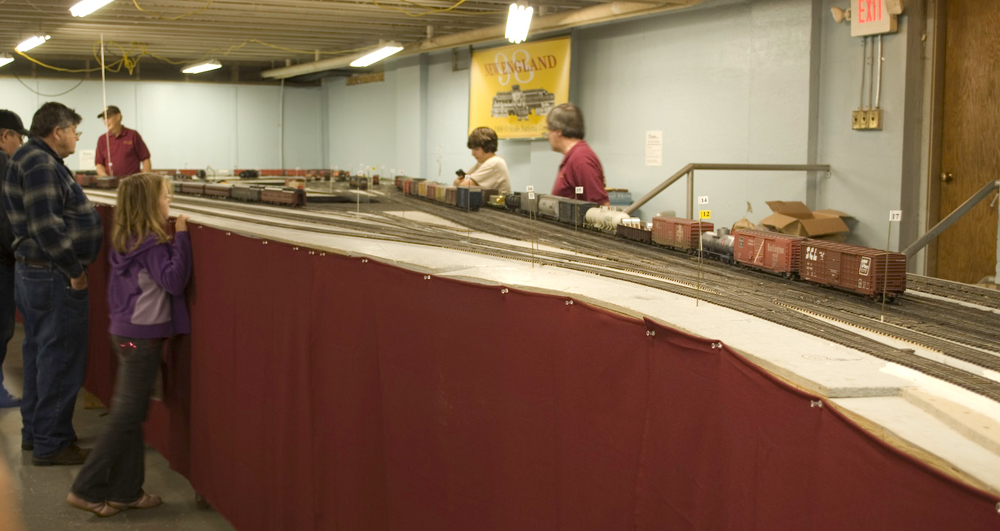
After walking around the show, I headed down to the basement of the auditorium to see the club layout. I didn’t see a track plan posted anywhere so I could not tell exactly how far along they are. But what they had built was working nicely.
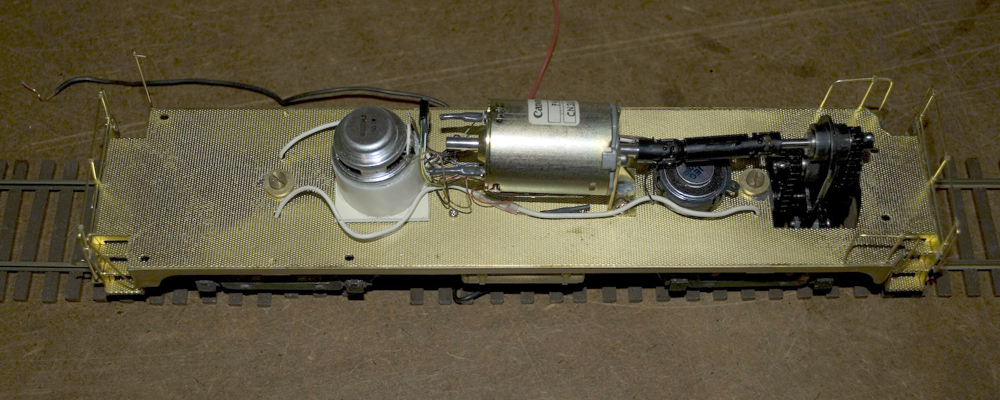
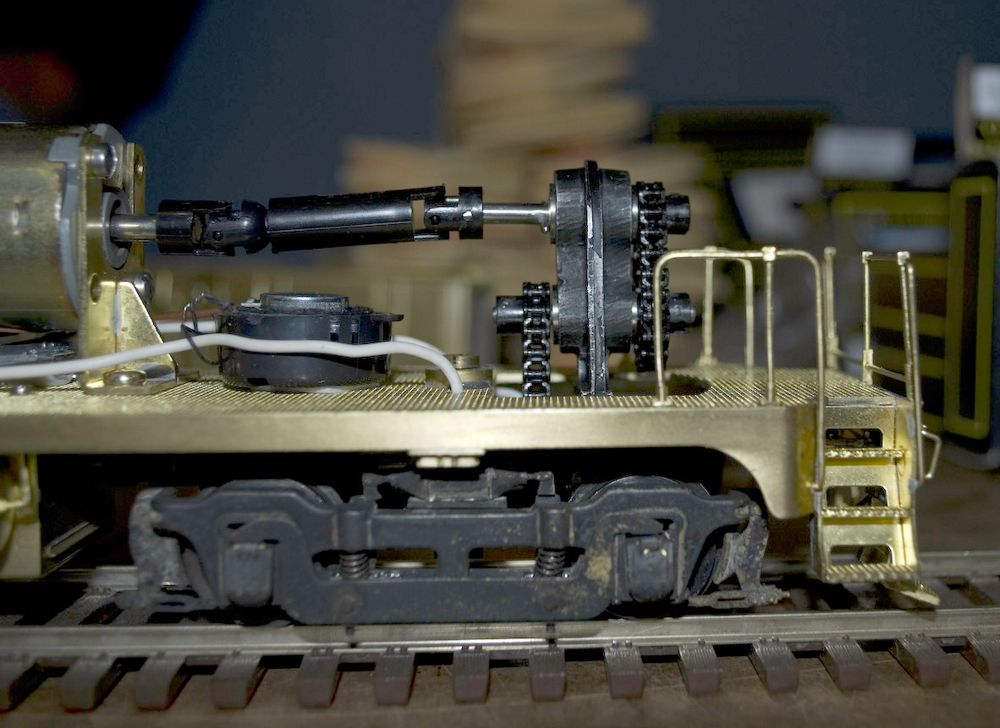
One of the highlights for me at the show was getting to see Bob Jones’ display. He had a Car Works Baldwin Vo-1000 inching back and forth on his test track. It had a High Sierra reduction gear tower installed along with a low current draw motor and an HO DCC sound system. The DCC did slow down some of the running speed but most of the work was being done by the High Sierra reduction gear-tower.
Unfortunately it is another example of by the time you see a product installed and working, they are no longer produced. I know after seeing it work, if they were still in production, they would be install in all my switchers with the Weaver drives.
After a pleasant hour or so in the show and the club, it was time to head back and enjoy the rest of the day with the wife.
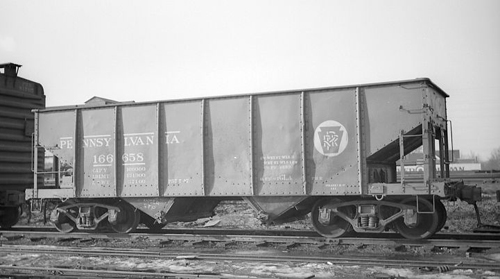
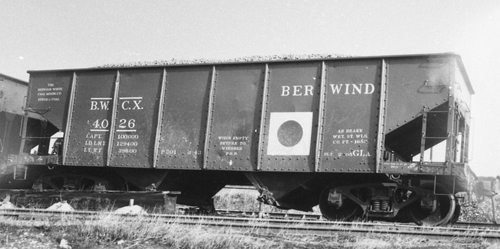
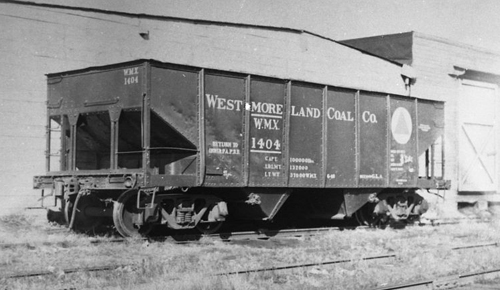
The Pennsylvania Railroad class GLa is a 50 ton twin open hopper car. Construction began in 1904 and continued through 1991. A total of 30,256 were built for the PRR or acquired from various coal companies that built the same design.
The April 1956 OER lists 21,840 GLa’s on the roster. Compare this to Reading’s 13015 total hopper cars, or Western Maryland’s 8006 total hopper cars and you begin to see the size of the PRR fleet of GLa’s.
The GLa was originally built with K brakes and later converted to AB. Very few GLa were updated with power brake wheels most cars retained their verticle brake staff. One exception would be the second hand cars acquired from Berwind-White, which had modern power hand brake hardware.
It’s interesting to note that the overall dimensions of the GLa are close to the USRA Standard 50-Ton Twin Hopper which was designed almost 15 years later. Inside Length is one inch shorter at 30′ 5″. Inside width 9′ 5 1/2″ is a half an inch wider then the USRA Twin. The GLa is 8″ shorter to the top of side cord at 10′ 0″ but the side height is only 5″ shorter as the bottom of the car side sits three inches lower than the USRA Twin. The GLa has a capacity only 197 cu. ft. less that the USRA Twin. These similiarities will work in our favor when it comes time to build a fleet of these cars.
BCWX 4026 GLa – George Losse collection
WMX 1404 GLa – George Losse collection
References:
Keystone Article
PRR Steel Open Hopper Cars – John Teichmoeller
January 1952 Official Railway Equipment Register
September 1953 Official Railway Equipment Register
April 1956 Official Railway Equipment Register
I’ve made a lot of posts about the locomotives on the front end of the train, at some point in time you have to think about the caboose at the other end.
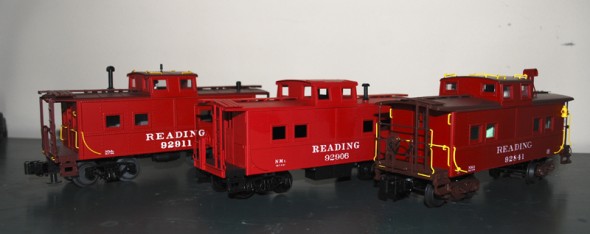
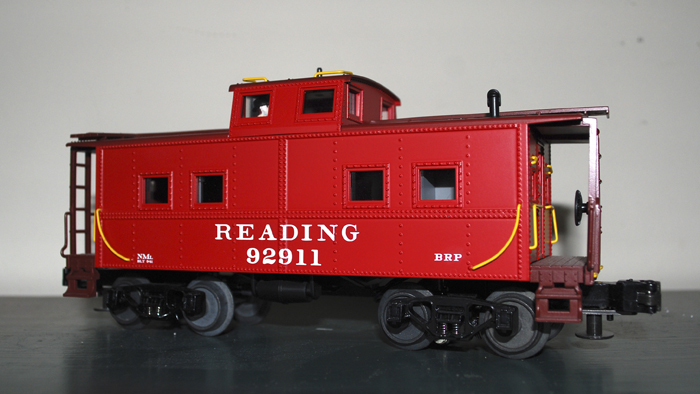
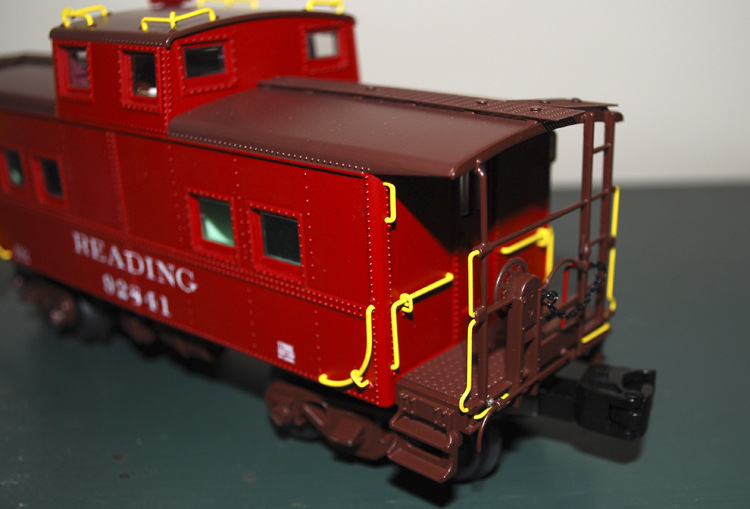
One of the attractive things about modeling the Reading in O scale is that there are multiple options available for modeling Reading cabooses in both plastic and brass. We have been blessed with three plastic versions of the standard Reading NorthEastern Caboose. We have also had Brass versions built by Overland, Sunset, and International.
One thing that we should talk about first is that there is not really a Standard Reading North Eastern Caboose. There were a total of 285 Cabooses built from 1924-1948 in twelve different classes. Here is a chart of the different classes built and some of the detail differences.
Class
Numbers
Built
Qty
Length
UF
Draft Gear
Trucks
RB
CW
Sheathing
Toolbox
NMd
90730-90739
1924
10
31′ 4″
RS
Miner
Taylor
W
W
Steel
Yes
NMe
90710-90719
1926
20
31′ 4″
RS
Miner
Taylor
W
W
Steel
Yes
NMf
90720-90729
1927
10
31′ 4″
RS
Miner
Taylor
W
W
Steel
Yes
NMg
90700-90709
1930
10
31′ 4″
RS
Miner
Taylor
W
W
Steel
Yes
NMg
92800-92809
1930
10
31′ 4″
RS
Miner
Taylor
W
W
Steel
Yes
NMh
92810-92829
1931-32
20
31′ 4″
CS
Gould
Taylor
W
W
Steel
Yes
NMj
92830-92854
1936
25
32′ 8″
WS
Duryea
Andrews
Flush
Integral
Steel
Yes
NMk
92855-92879
1937
25
32′ 8″
WS
Duryea
Taylor
Flush
Integral
Steel
No
NMl
92880-92929
1941
50
32′ 8″
WS
Duryea
Birdsboro
Flush
Flush
Steel
No
NMn
92930-92979
1942
50
32′ 8″
WS
Duryea
Birdsboro
W
Integral
Wood
No
NMo
94000-94049
1943
50
32′ 8″
WS
Duryea
Birdsboro
Grating
Grating
Steel
No
NMp
94050-94074
1948
25
32′ 8″
WS
Duryea
Taylor
Grating
Grating
Steel
No
Let’s look at the plastic options.
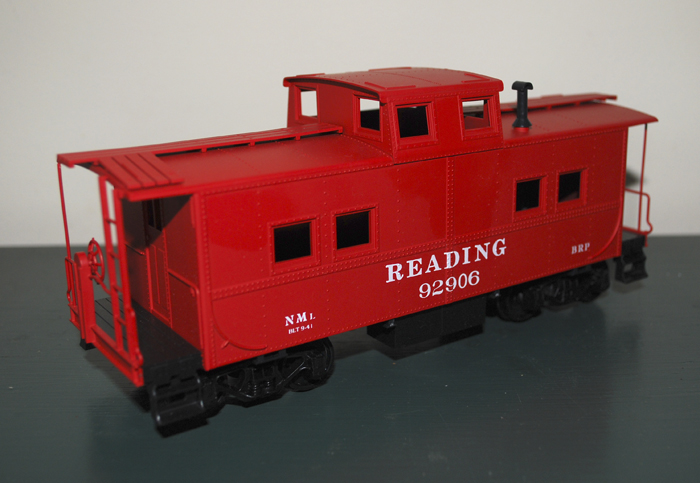
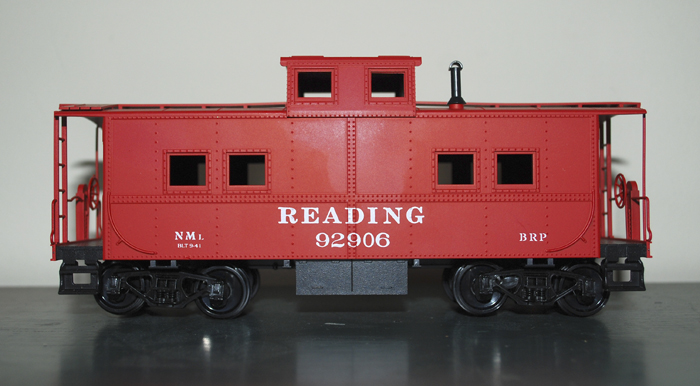
Weaver Northeastern Caboose
First and oldest of the plastic options is the Weaver Northeastern Caboose. It was originally released in the 1990’s and it shows it’s age. It has a wooden roofwalk which makes it correct for the early classes NMd, MNe, MNf, NMg and NMh. It also has the toolbox under the center of the caboose that these early caboose had.
Negatives:
They have molded on grab irons
Not that many different parts.
The factory supplied trucks are wrong for 1952, they should have Leaf Springs in the trucks instead of the freight trucks supplied by Weaver.
Factory Paint job is wrong Red/Black combination, it is a Red/Brown combination
Cross members on the underbody should tapper to flush with the car body at the edge.
Positives:
They can often be found very cheap at train shows and on eBay.
Dispite their age they are accurate models
MTH Northeastern Caboose
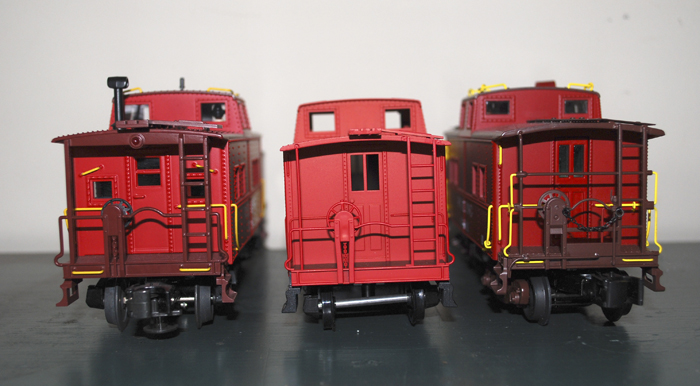
Next up is the MTH Northeastern Caboose. Of the three plastic models this is the only one with a true prototype problem. The windows on the side of the caboose are set too far apart.
Negatives:
Windows not correctly spaced.
The factory supplied trucks are three rail, no two rail version available.
Trucks are wrong for a car with a wooden roofwalk, should be Taylor Caboose trucks
Modern Roof vents for the lavatory inside date the model to a later version then my modeling period.
Tool box should be under the cars with the wooden roof walks.
Strange cyclops light on the end of the car.
Also has MTH type of end casting that fills in under the roof line of the car.
Positives:
Factory paint job is close Red/Brown combination. Trucks should be brown also.
Separately applied grab irons but they are a little heavy and should still be replaced.
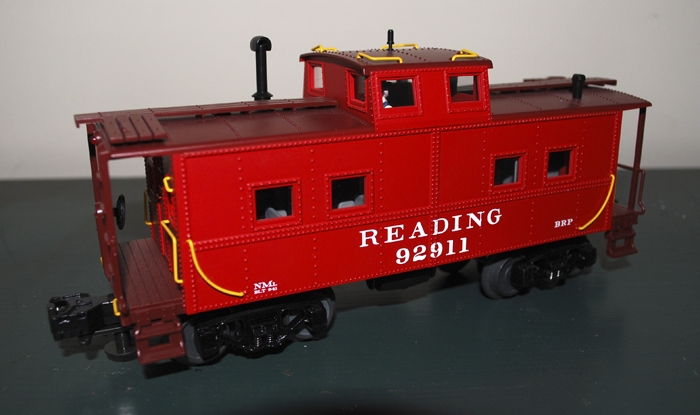
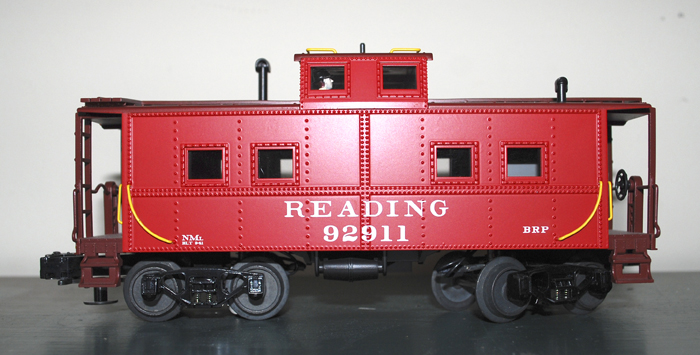
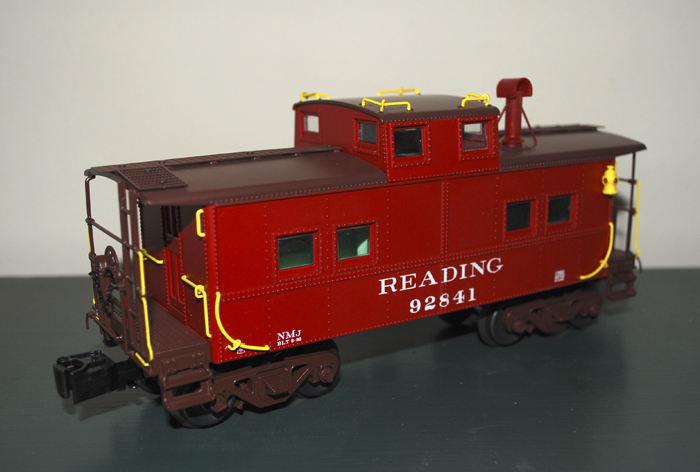
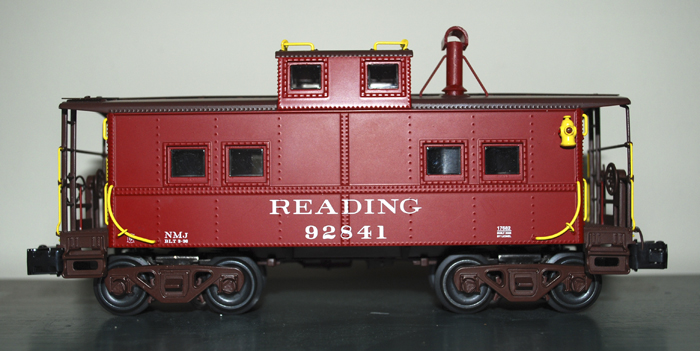
Lionel Reading Northeastern Caboose
The Lionel Reading Northeastern Caboose #6-17682 is the most recent addition to the plastic options. It was first produced in 2007. As built, it is a model of the last two classes of cabooses NMo and NMp with a open grid roofwalk.
Negatives:
Most expensive of the three plastic options.
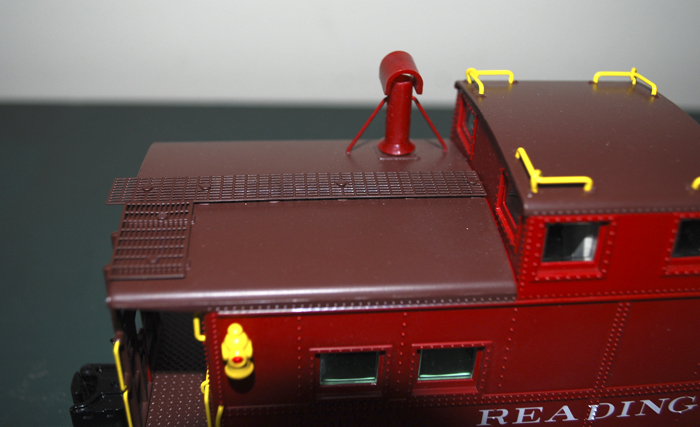
Oversized working smoke stack.
Marker Lights are attached to one end.
Only Three rail versions available from the factory.
Grab Irons are oversized and should be replaced.
No rivet detail on the roof.
Lettered for a NMj, detailed for a NMo or NMp.
The roofwalk has Lionel’s normal pins for holding down the roofwalk.
Positives:
Factory paint job is a good start point.
Great start point to build the modern classes of Reading Cabooses.
Captured the slope of the end of the roof line over the steps (if viewed from the side)
These detail photos show the lack of rivets on the roof. This can be corrected with Archer rivets.
I haven’t posted anything on the K1 project in a while. It has been sort of almost on hold.
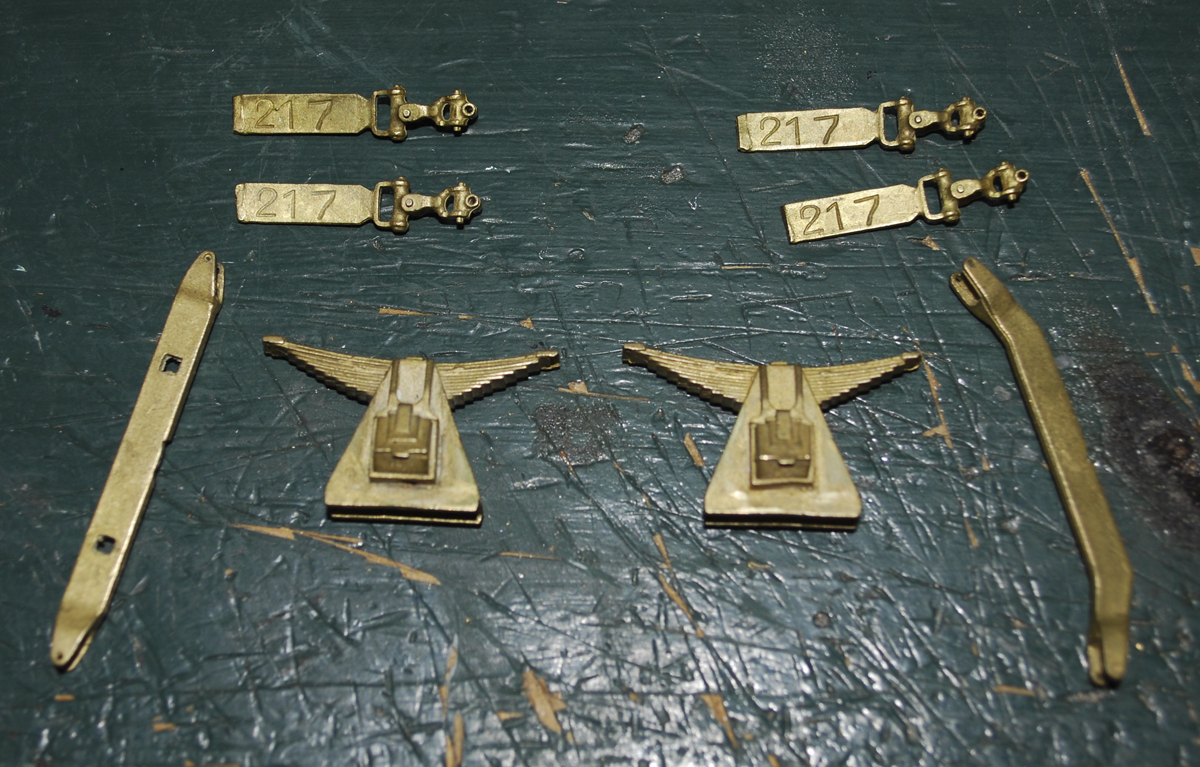
I found the above parts for the trailing trucks. But it wasn’t a complete truck, and I wasn’t sure who made it. I sent emails out to a number of folks asking if they knew who made the parts and if anybody had any more.
Joe Foehrkolb identified the parts as Central Locomotive Works’ parts. After a couple of emails with Lou the parts were ordered. Jim Mucka was a big help also in giving me copies of the parts lists for CLW. It was very easy to talk to Lou with the correct part numbers. I wouldn’t have blamed Lou if he didn’t want to talk to me without the part numbers, I can’t imagine trying to describe these parts in an email. Well that was the begining of May, the parts are still a few weeks out. But they are coming, that’s the most important thing.
I also ran into a bit of a problem with tender trucks. I ordered a pair of their 584 on their website which lined up perfectly on the plan. When I went back to get more, they were out of stock and they were not sure if they would be re-run. I have since brought my truck total up to four. I still need one more set.
This is all part of the fun of building in O scale.
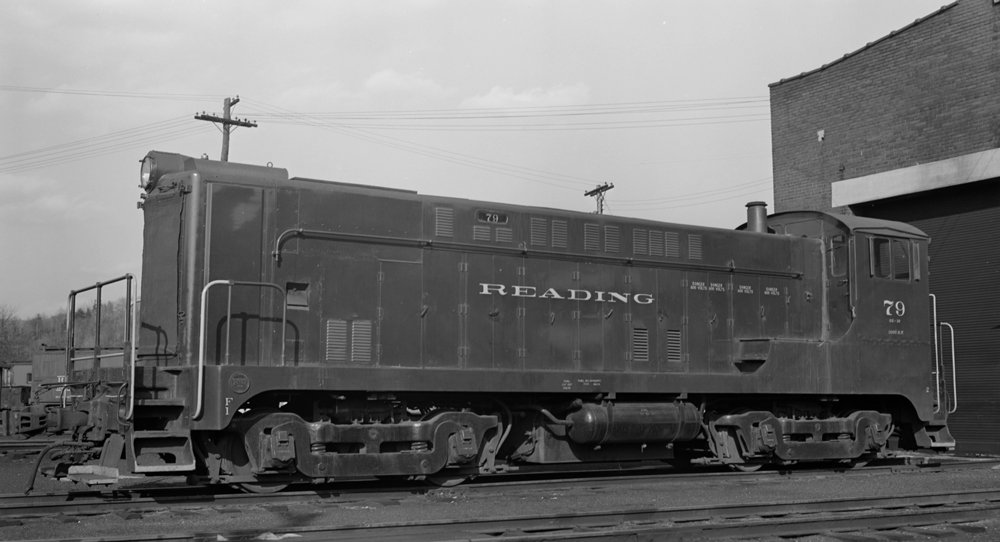
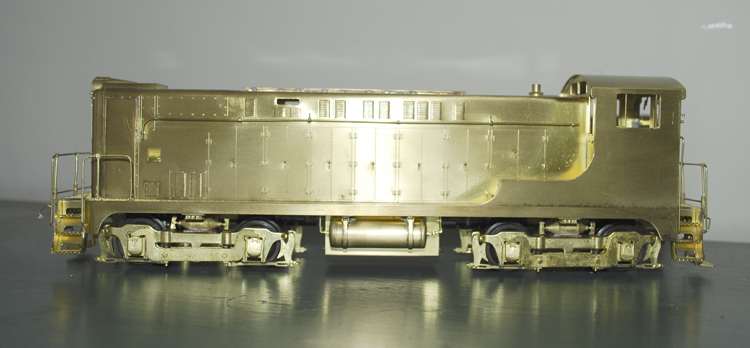
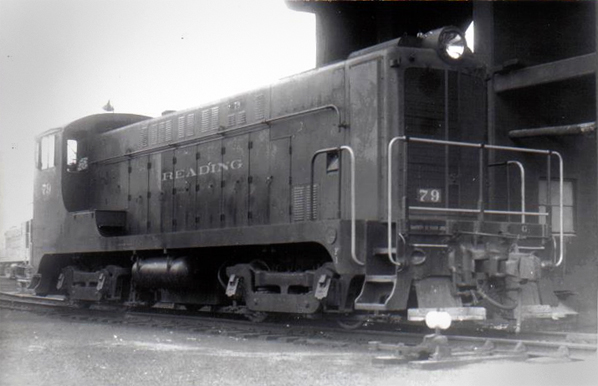
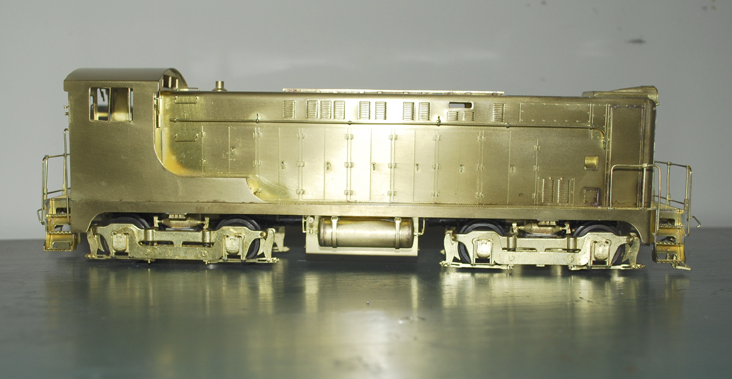
One of the switchers I’ve chosen to model is Reading class OE-10 #79. It was a Baldwin VO-1000 switcher assigned to Gordon, PA during my modeling time-period.
I’m going to use a Car Works VO-1000 model as the starting point. Car Works imported the VO series back in the early 90’s. They imported three versions, “VO-1000 1942-1944 #Curved Walks,” “VO-1000 1945-1947 Straight Walks” and a “DS4-4-1000 with FLat Grill.” They have a Weaver chain drive with Pittman motor. Out of the box they run fine. I may explore using a different drive set-up.
Looking at the fireman’s side there are shutters in two of the engine compartment doors, they will need to be added. The exhaust stack needs to be extended. I will need to add a cover for the radiator. Since my model has broken solder joints on one of the foot-boards at each end I think all four need to come off, be cleaned up and re-soldered back on.
Fireman’s side of the Car Works VO-1000
Looking at the engineer’s side of the locomotive. There does not appear to be many changes needed. I’ll have to add a number board to the lower part of the radiator screen. This view shows the radiator cover removed in 1956, so maybe I don’t need to add it. The Reading rain gutters will need to be added to the cab roof.
O Scale Models: Chooch #674 Pullman Flat Car – Ultra Scale line of resin cars.
Wiseman Model Services appears to be producing a similar kit.
The History:
The American Association of Railroads (AAR) Committee on Car Construction established a standard for 53’ 6” flat cars based upon a 1941 Pullman-Standard Company design. The earliest users of this design were the Chicago Great Western, Monon, Soo and UP. The design established a new standard for deck height of 42” which was lower than previous car designs. This feature would permit taller loads without exceeding established clearance limits. It also had a much wider deck extending beyond the fishbelly sides. Twenty railroads built 2532 cars to this basic design.
The car spanned a long period of operation ranging from 1941 to the 1980’s. Some roads converted these cars into piggyback carriers or fitted them with bulkheads for building materials. Many of the cars ended up in maintenance of way service after a long revenue life.
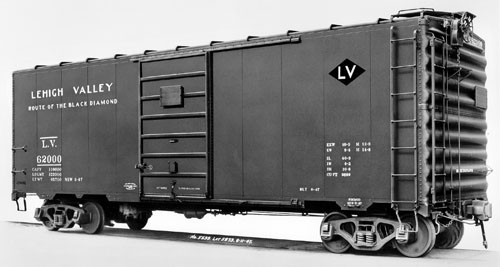
Pullman Standard introduced its PS-1 boxcar in the late 1947. There are a number of articles about the PS-1’s in the Hobby press. I’m not going to restate everything that has been written about this design of cars.
Ed Hawkins and Ted Culotta compiled a list of all the PS-1’s built. The complete list of Pullman PS-1 boxcars can be found on the Steam Era Freight Car Website.
Below is a modified version of their information sorted by the build-date of the cars built before my modeling period, the Summer of 1952.
Pullman Standard built a total of 77,570 cars, but by 7/52 only 46,847 had been built. These are the only cars that existed and could have been seen by my modeling period, so this is a list of the only cars that can be on the layout. Now I don’t plan to build every one of these, but the four or five I do plan to build are on this list.
This will also give me other other information then just what details are on the car and which road. By knowing if the car is less than one year old it means it should look close to brand new. Or if it’s one of the LV car built in 1947 it should look like it has been in service for five years.
Lionel and Weaver both make version of this car in O scale. The Lionel car is available with a 6ft, 7ft and 8ft door. The Weaver is only available with an 8ft door. Protocraft makes a number of decals for these cars, I’ve linked the reporting mark (first column) to the decal pages with photos of the cars.
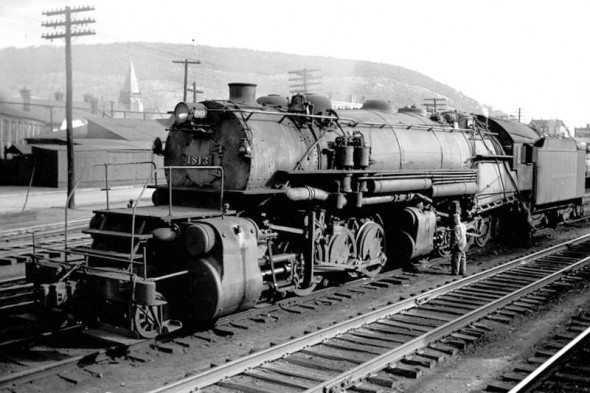
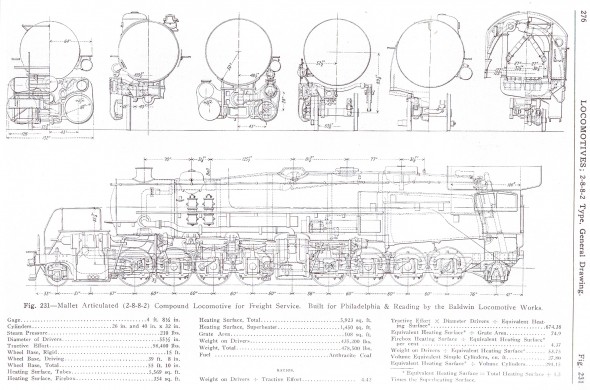
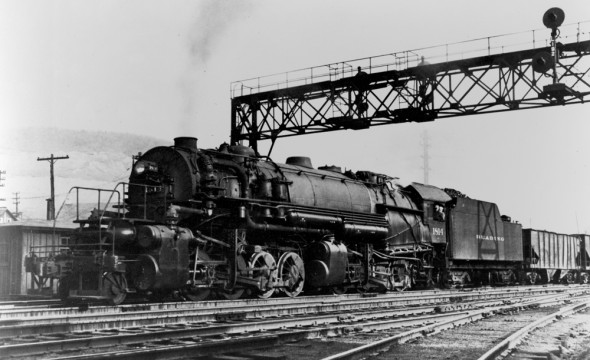
Bert Pennypacker speaks about the Reading Mallets 2-8-8-2 in his Mainline Modeler article on the K1’s. They were built by Baldwin beginning with six locomotives received in 1917. Two additional orders brought the fleet up to 31 locomotives by 1919 and were classes N1-sa/b/c. They were numbered 1800-1830, with 55.5 inch drivers and 98,400 lbs of tractive force.
The mallets were distributed in different parts of the system, 11 were running between Hagerstown-Rutherford-Allentown, two were assigned to Reading as Temple Hill pushers, and the rest were were distributed through the coal regions, West Cressona, St.Clair, Tamaqua, Gordon and Shamokin. The locomotives assigned to pusher duties were given small capacity tenders, 8,000 gallons and12.8 tons of coal. While the road mallets were given larger tenders with 11,000 gallon and 18 ton capacity. Wages were cheap and pusher runs were short, no need for big tenders.
It was said of the Mallets that they could pull anything slowly. The Reading most not have been totally happy with the speed of the N1’s in road service. Beginning in 1927, locomotives #1800-1810 (11) were rebuilt into the K1 2-10-2 locomotives. They were only ten years old at the start of the project. Their boilers were reused and most of their parts in the rebuilding project.
Reading N1 drawing from Locomotive Cyclopedia
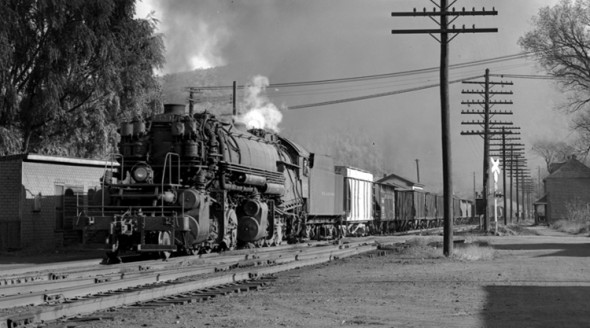
Then in 1930 the railroad began converting the mallets from compound to single expansion cylinders. They were re-classed as N1-sd. The big delivery pipes on the side of the smoke box are an indication of the converted locomotives. All the N1’s were converted by 1945. They also had their trailing trucks removed between 1940-1944.
Reading N1-sd moving a train in coal country.
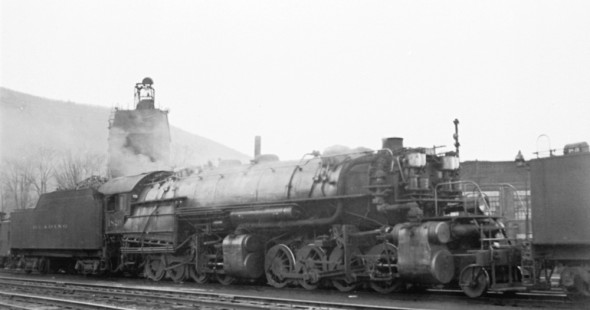
In the late 1940’s ten N1-sd’s received new smoke boxes and cross-compound air pumps relocated onto the smoke box front. The locomotive that had the forward mounted air pumps were numbered; 1811, 1812, 1817, 1820, 1822, 1823, 1826, 1828, 1829 and 1830.
Reading N1-sd sporting air pumps on the smoke box
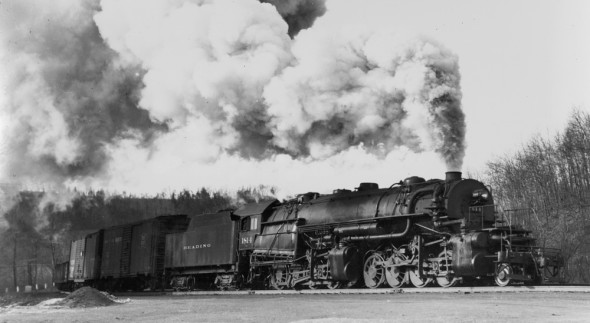
Reading 1814 N1-sd on the move.
Nice to have both sides of Reading1814 here at Tamaqua, PA.
References: Mainline Modeler, May/June 1981 – “Reading 2-10-2 It should have been a Texas” by Bert Pennypacker Reading Steam Pictorial
Photograph’s from George Losse Collection scanned from prints and/or original negatives.