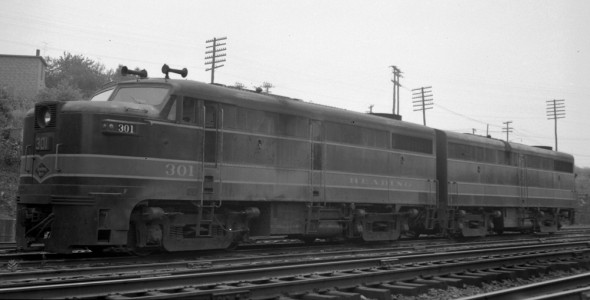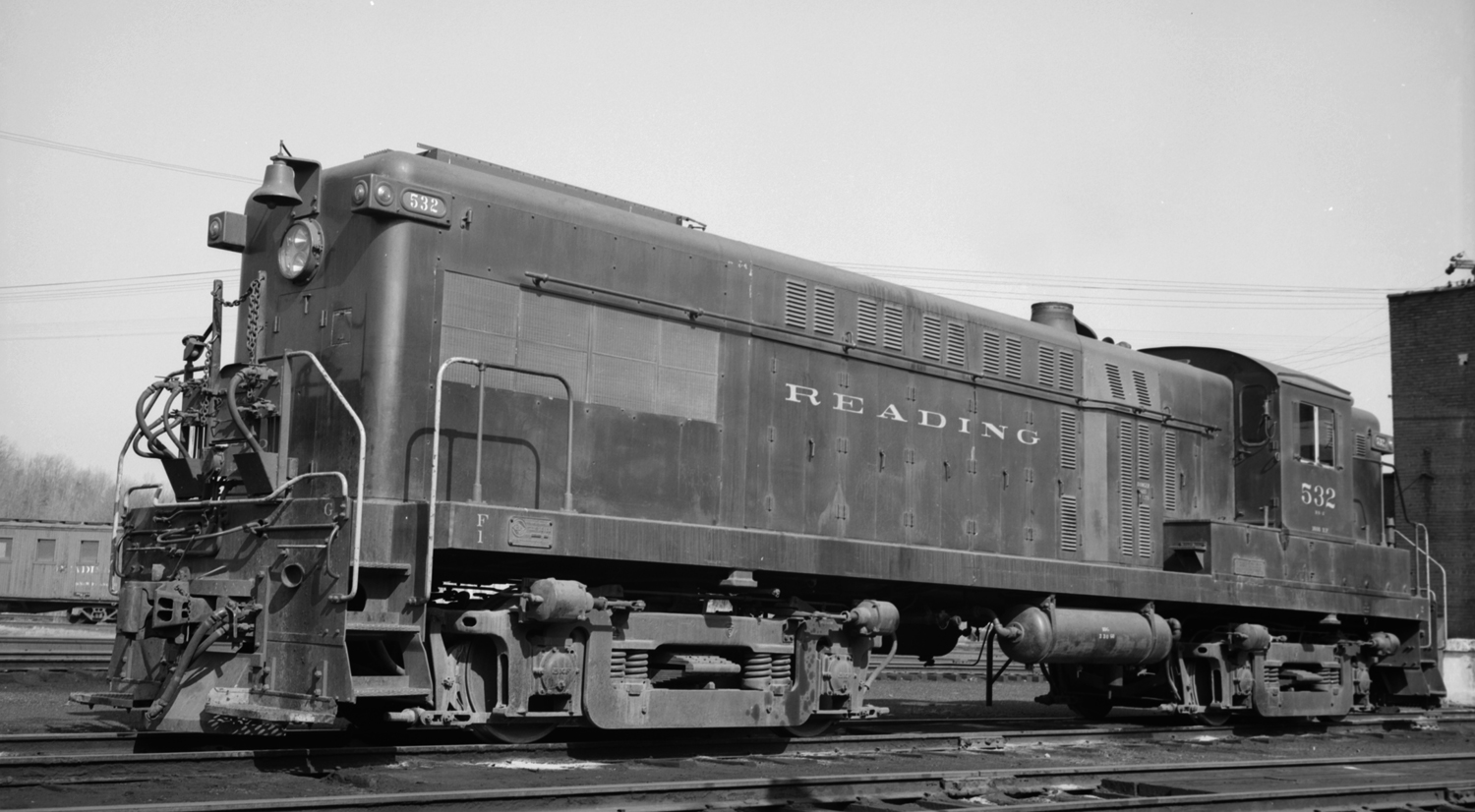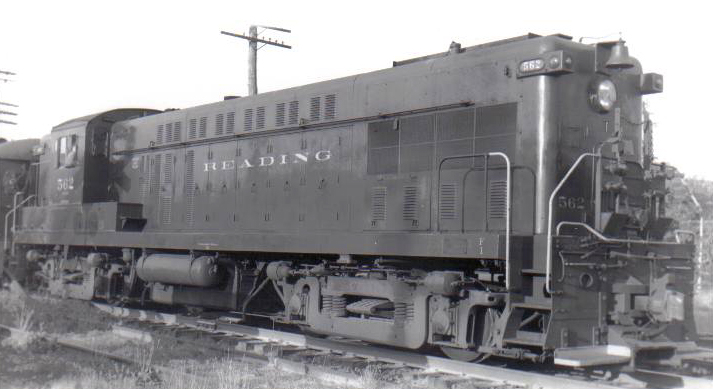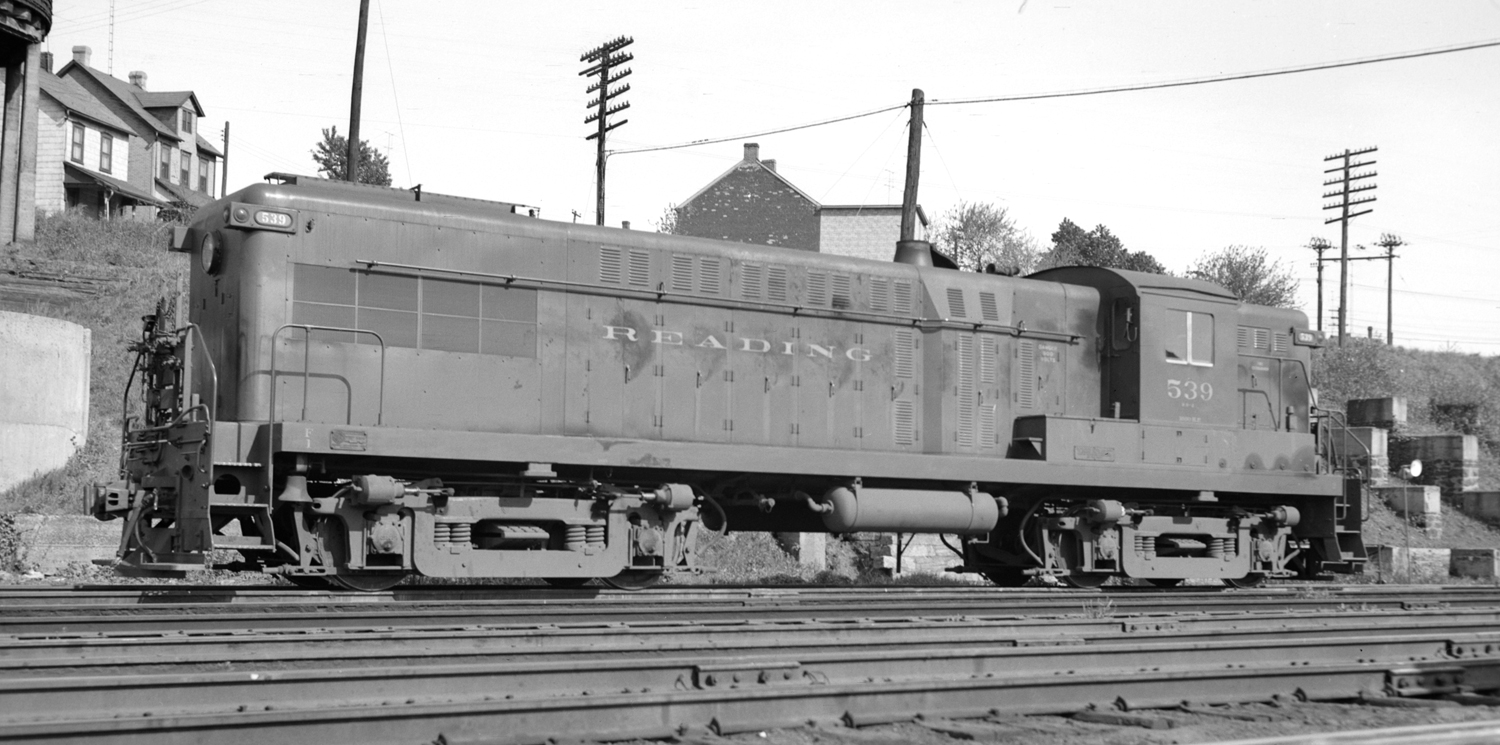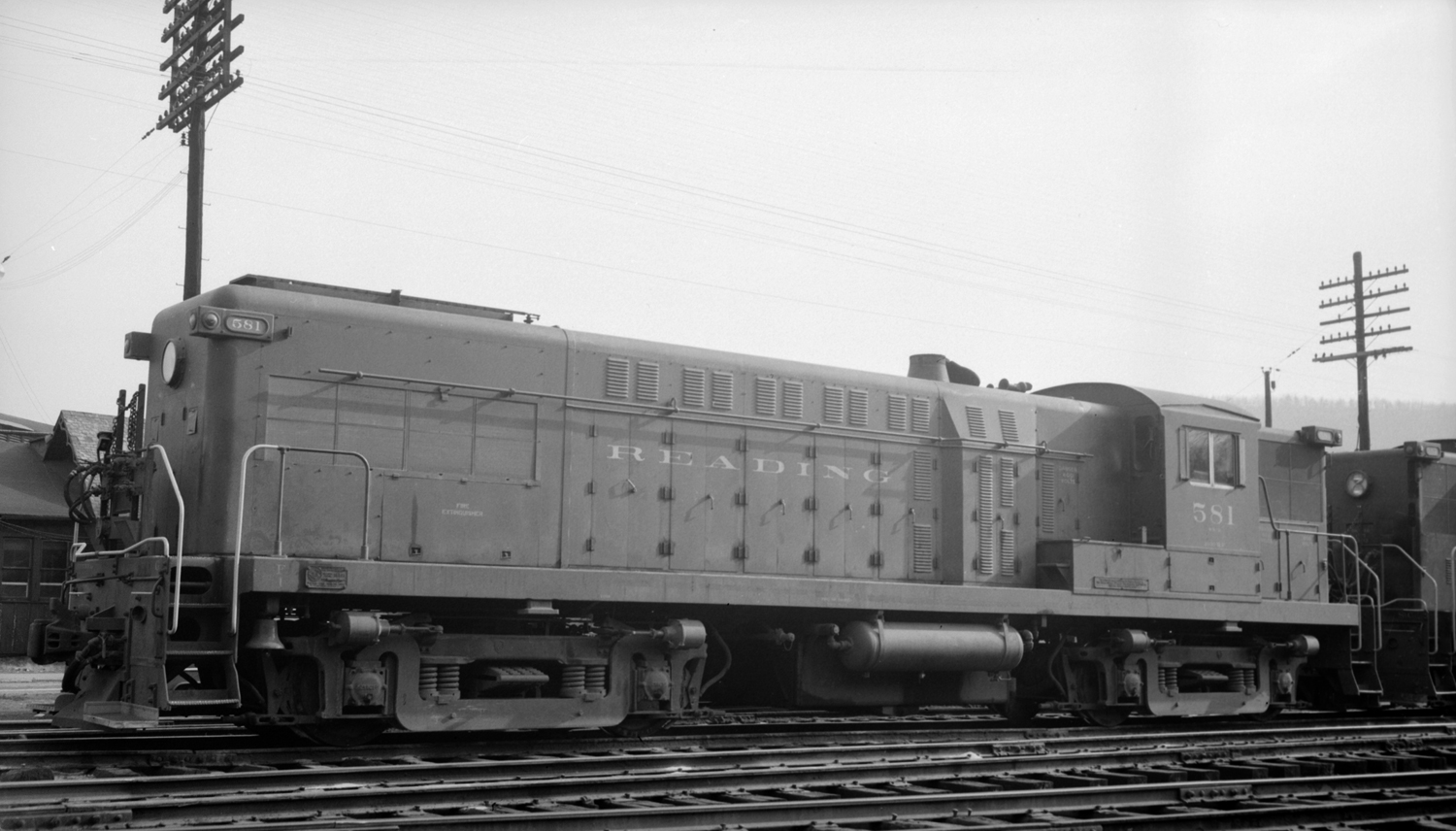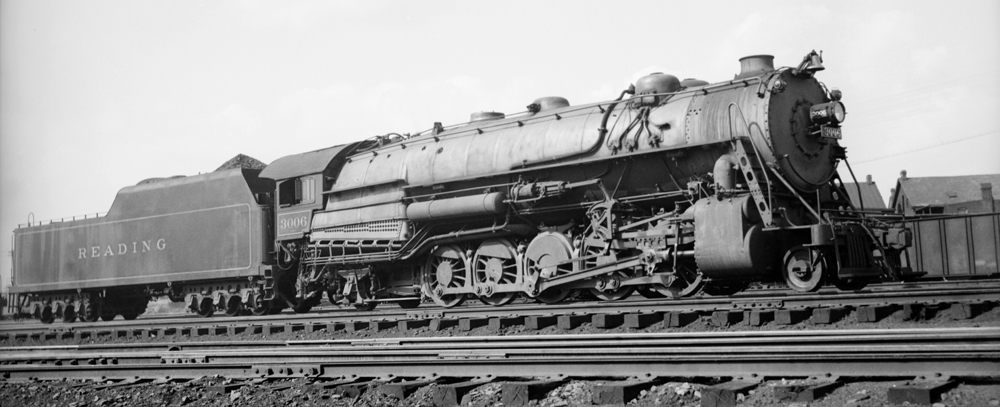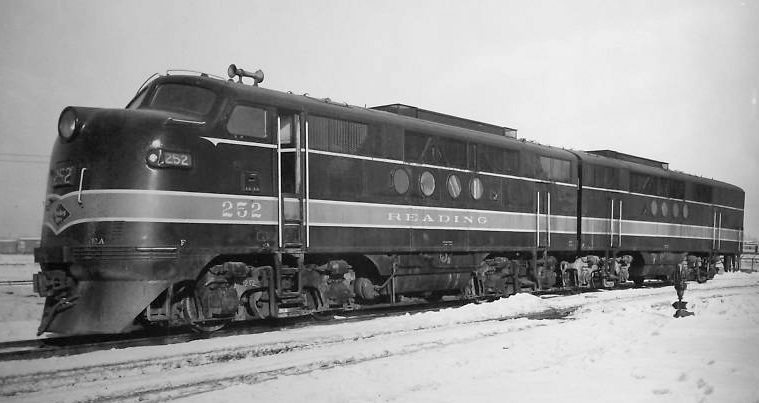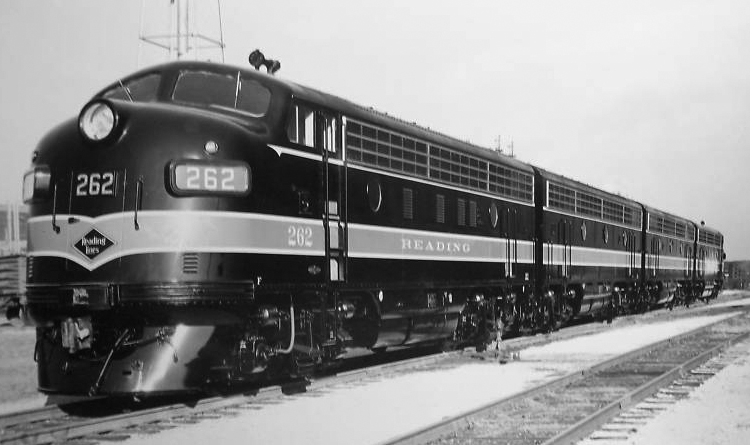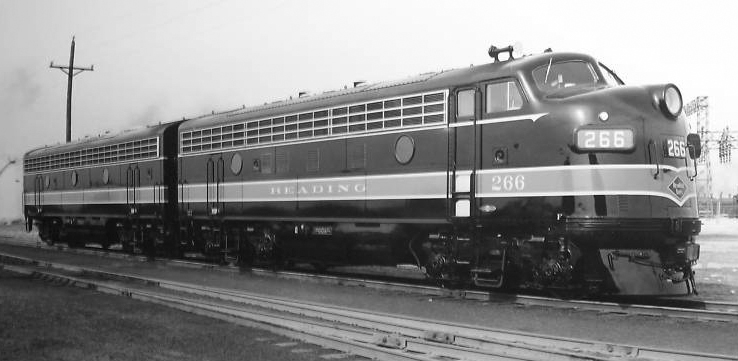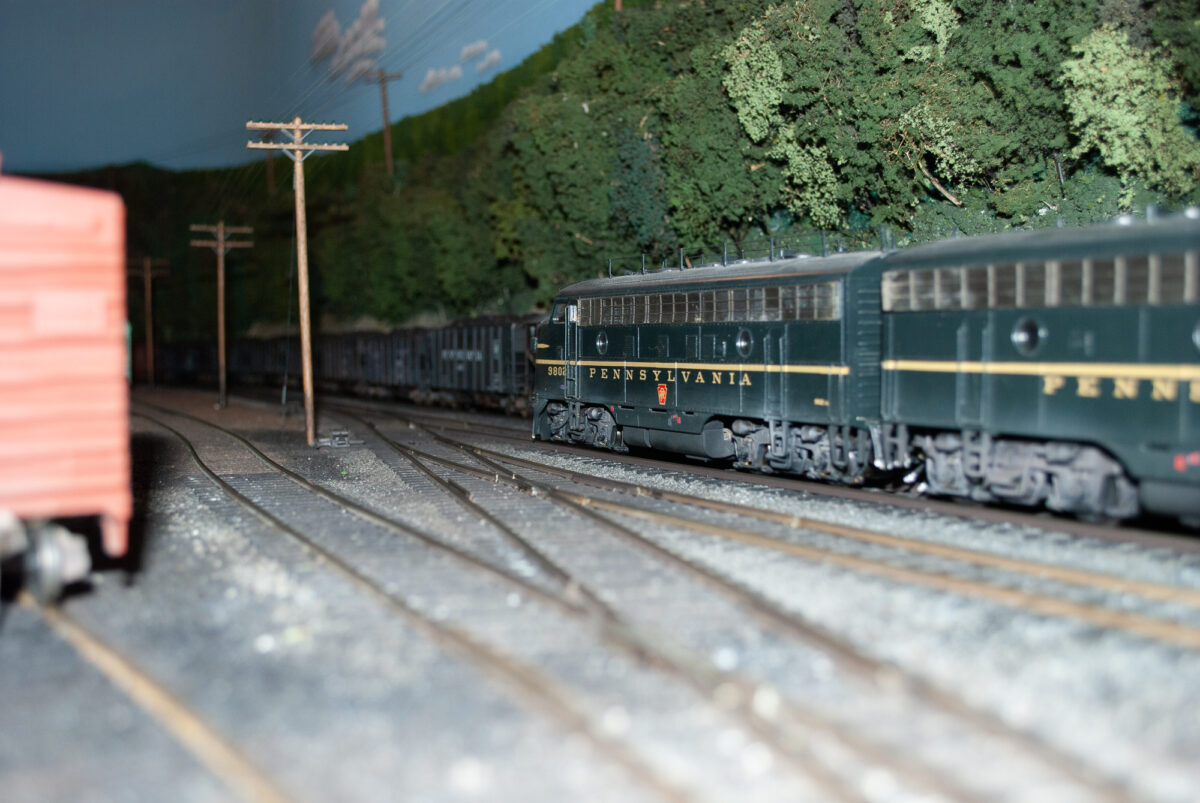
Reading EMD Freight Cab Units DF-1, DF-2, DF-4

Reading DF-1 #252 A-B
Reading DF-2 EMD F3 #262
Reading DF-4 EMD F7 #266


No.BuiltRDG ClassEMD ClassHPEngine House Assignment
2501/45DF-1FTA1350 
250 B1/45DF-1FTB1350 
2511/45DF-1FTA1350 
251 B1/45DF-1FTB1350 
2521/45DF-1FTA1350 
252 B1/45DF-1FTB1350 
2531/45DF-1FTA1350 
253 B1/45DF-1FTB1350 
2541/45DF-1FTA1350 
254 B1/45DF-1FTB1350 
2551/45DF-1FTA1350 
255 B1/45DF-1FTB1350 
2562/45DF-1FTA1350 
256 B2/45DF-1FTB1350 
2572/45DF-1FTA1350 
257 B2/45DF-1FTB1350 
2582/45DF-1FTA1350 
258 B2/45DF-1FTB1350 
2592/45DF-1FTA1350 
259 B2/45DF-1FTB1350 
26011/48DF-2F3A1500 
260 B11/48DF-2F3B1500 
26111/48DF-2F3A1500 
261 B11/48DF-2F3B1500 
26211/48DF-2F3A1500 
262 B11/48DF-2F3B1500 
26311/48DF-2F3A1500 
263 B11/48DF-2F3B1500 
26411/48DF-2F3A1500 
264 B11/48DF-2F3B1500 
26511/48DF-2F3A1500 
265 B11/48DF-2F3B1500 
2663/50DF-4F7A1500 
266 B3/50DF-4F7B1500 
2673/50DF-4F7A1500 
267 B3/50DF-4F7B1500 
2683/50DF-4F7A1500 
268 B3/50DF-4F7B1500 
2693/50DF-4F7A1500 
269 B3/50DF-4F7B1500 
2703/50DF-4F7A1500 
270 B3/50DF-4F7B1500 
2713/50DF-4F7A1500 
271 B3/50DF-4F7B1500 
2723/50DF-4F7A1500NB
2733/50DF-4F7A1500NB
2743/50DF-4F7A1500 
2753/50DF-4F7A1500 
2763/50DF-4F7B1500 
2773/50DF-4F7A1500 
2783/50DF-4F7B1500 
2793/50DF-4F7A1500 
2803/50DF-4F7B1500 
2813/50DF-4F7A1500NB
2823/50DF-4F7B1500 
2833/50DF-4F7A1500 
2843/50DF-4F7B1500 

References:
Diesel Era – 1998 March/April – Reading’s First-Generation Diesels by by Paul K. Withers
FD&S – Vol. 12, No. 2 – Reading’s DF-2: TThe EMD F3 by Richard W. Jahn
Reading Diesels Volume 1 The First Generation – by Dale Woodland
The Revolutionary Diesel EMC’s FT – by Diesel ERA
Photograph’s from George Losse Collection.

PRR H21 Family

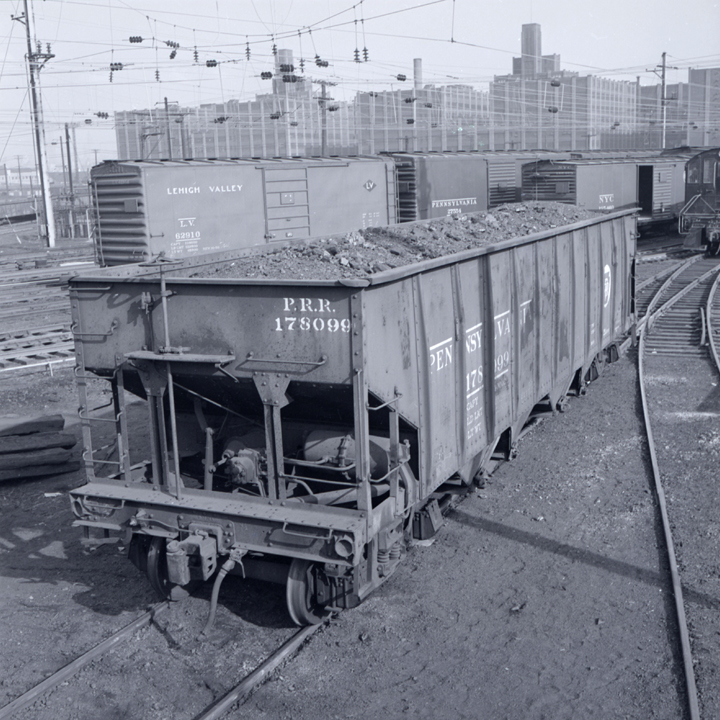
PRR 178099 H21a
PRR 178099 H21a – George Losse Collection

Prototype History
The H21 was originally designed as a 50 ton coke car. Construction of new H21 cars ran from 1909 through 1914. They were built by Altoona Car shops, Pressed Steel Car Co., Cambria Steel Co., American Car & Foundry, and Standard Steel Car Co.

A total of 21,738 car were built as the 50 ton H21 car class. It did not take long for the railroad to see that these cars had the capacity to hold 70 tons of coal. Lines West began converting the class into H21a’s in 1911. In 1912 the railroad began producing H22’s for coke service and converting the H21’s to handle coal. All H21’s would be converted to H21a by 1925. The conversion was basically placing 70 ton Crown trucks under the cars.

From 1915-1918 the railroad built an additional 14,270 H21a cars. The builders of the new cars were the same as for the H21’s with the addition of Ralston Steel Car Co. The railroad began to see that the frames were not able to hold up to the 70 ton coal loading. They began adding the reinforcement angle on the top sill from bolster to bolster starting in 1919. A corner to corner strengthened bulb angle would start appearing in the ’30’s but would not result in a class change. Nor would the conversion from original style “clamshell” hopper to “sawtooth” hoppers result in a class change.

The H21b class was created in 1930 when the railroad started a program to upgrade 100 cars with a 12 inch ARA center sill. This program was again done in 1943 to bring the total of H21b’s to 198. Externally there were no visible features to distingush the class besides the class stencil.

The H21d was a one-of-a-kind car conversition into a covered hopper car. While the H21d looks neat, I do not like to model one car classes. As I’ve pointed out before, most likely you would not have ever seen the car standing trackside in real life.

The class H21e first appeard in August of 1947 and reached a peak of 8,546 cars by January of 1953. The rebuild included adding a power hand brake and internal crossridge stakes. The power brakes had been applied to some H21a class cars without resulting in a class change. These H21a’s retained their internal cross ties at stakes 2, 4, 6, and 8. Some H21e car would have their side stakes welded on instead of the normal riveted side stakes.

In 1953 the PRR rostered 37173 class H21 hoppers. The OER did not fully split out the subclasses of “a”, “b” or “e.” Here are some fleet totals for the H21 class from 1952-1958 OER’s and the percentage that number represented to the total PRR open hopper fleet.

  • 1952: 39702 cars 49.5% of the total PRR open hopper fleet
  • 1953: 37173 cars 50.2% of the total PRR open hopper fleet
  • 1956: 30737 cars 53.2% of the total PRR open hopper fleet
  • 1958: 28020 cars 47.8% of the total PRR open hopper fleet

The PRR Steel Hopper book lists the following for class breakdowns for July of 1953: 35,256 total cars, 26576 H21a, 170 H21b, 1 H21d, 8509 h21e.

Cars of later subclasses are after my modeling time of 1952. I’ll let someone else talk about those classes.

References:
Keystone Article
PRR Steel Open Hopper Cars – John Teichmoeller
January 1952 Official Railway Equipment Register
September 1953 Official Railway Equipment Register
April 1956 Official Railway Equipment Register

Modeling the H21’s in Proto48
In O scale we have been blessed with nice brass examples of the H21’s over the years. Some are clearly better, more accurate, or have finer details than others. And they have different price tags to go with them. The manufacturers of these cars are Precision Scale, Pacific Limited, Yoder Models and Keystone Model Works.

In recent years we have been blessed with a plastic version from Atlas O. While not a a finely detailed as some of the better brass car the cost about one sixth of the newest brass cars.

I hope to have additional posts about my modeling of these hopper cars.

Layout Visit: Rob Enrico, 2008, Monogahela Division

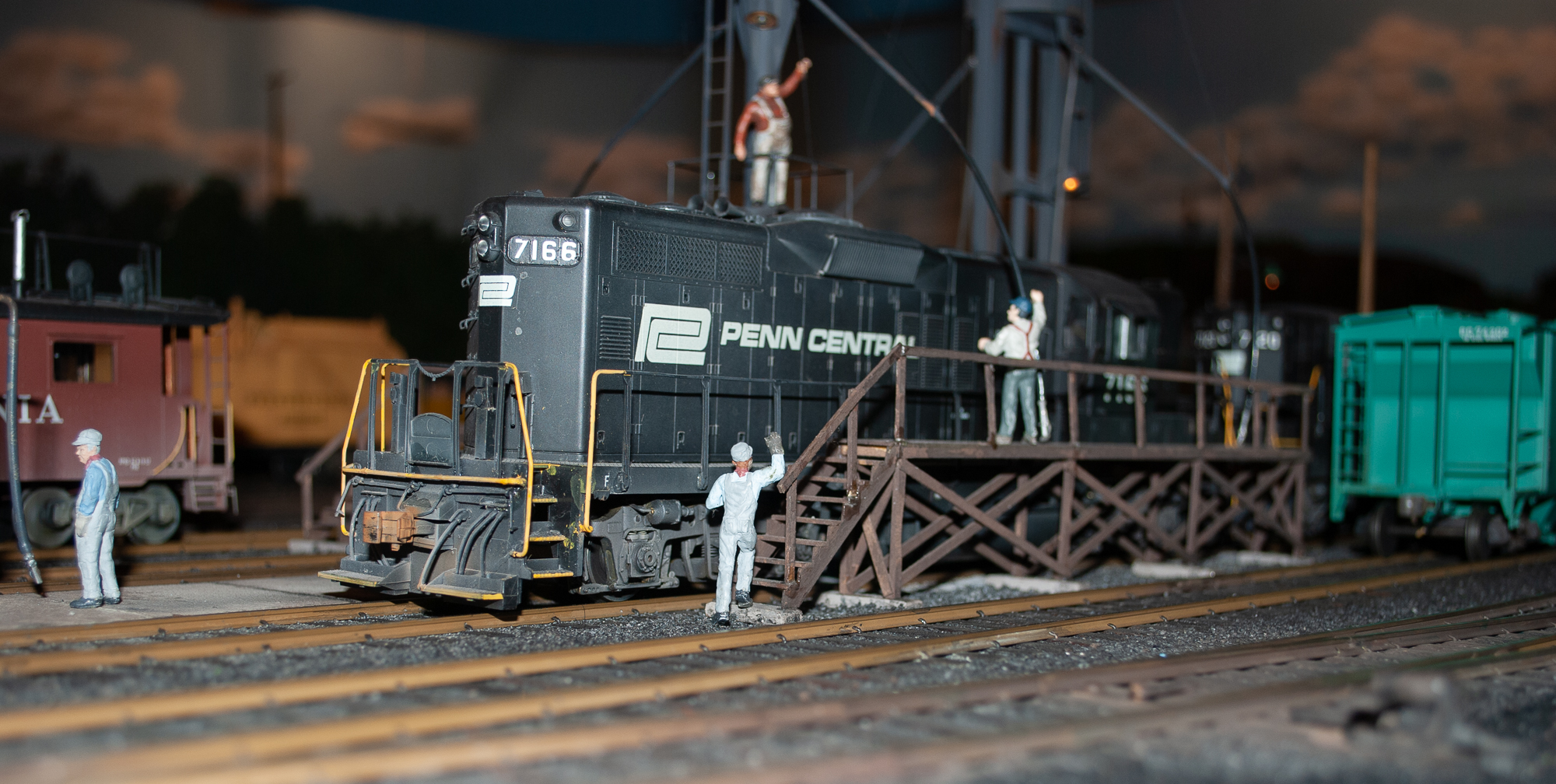
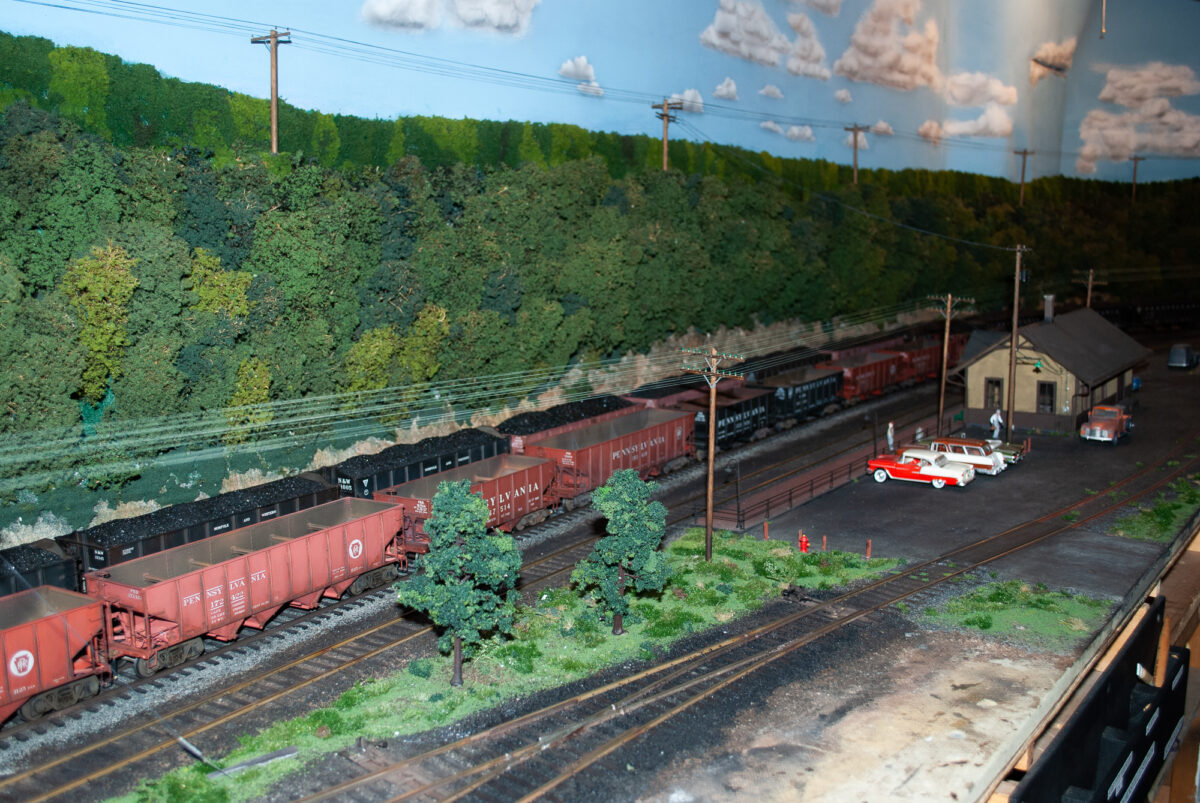
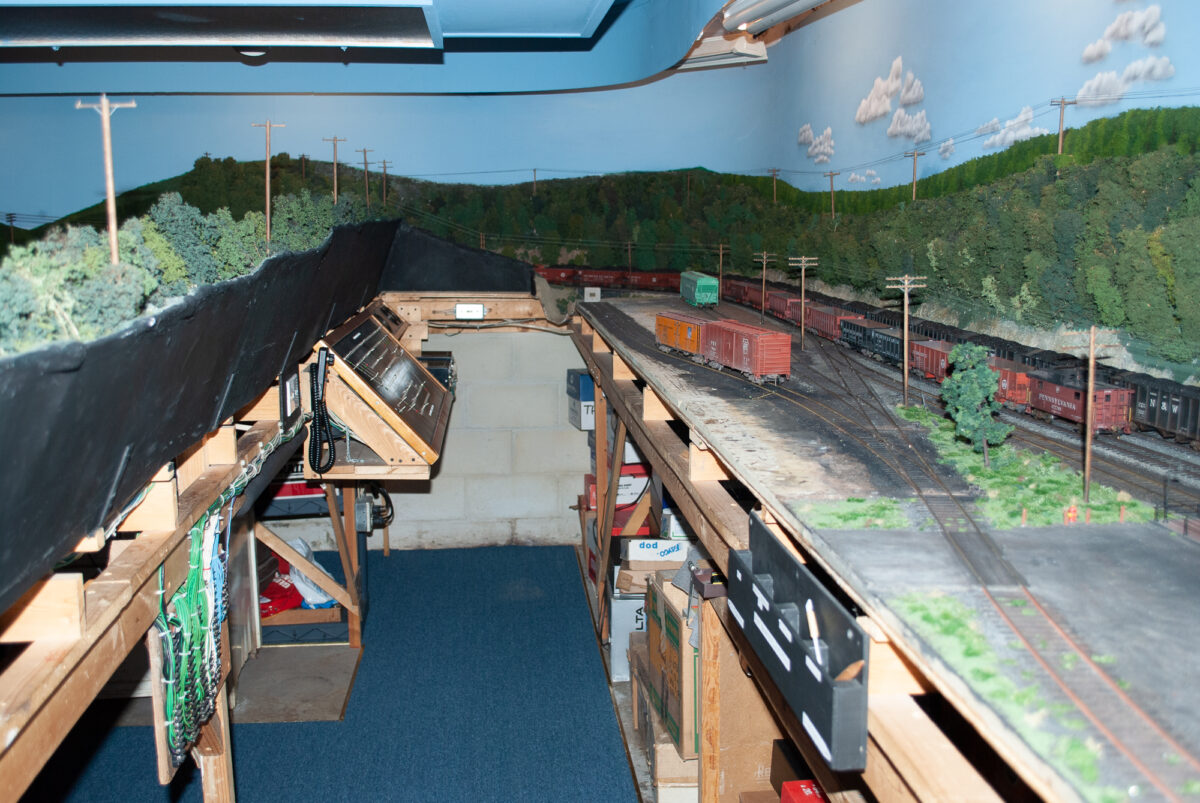
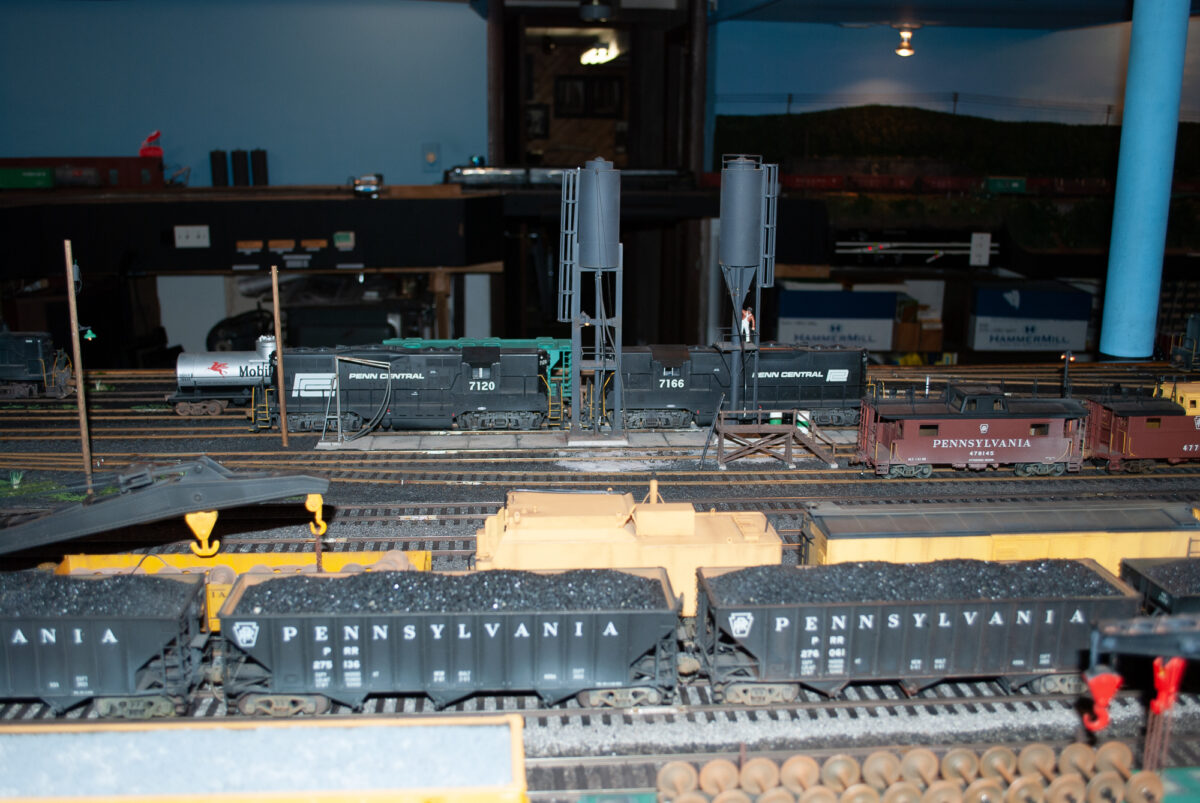
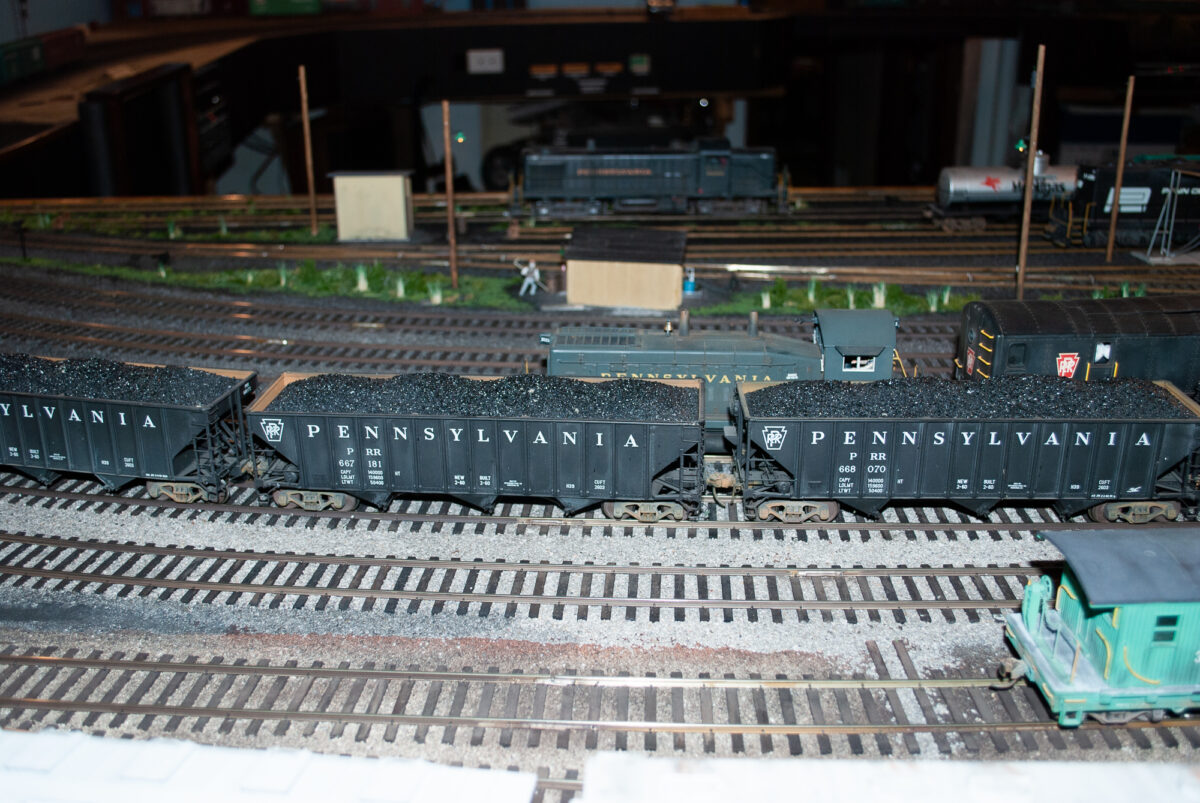
On the trip back from the Cleveland Show in November, I had the chance to visit with Rob Enrico and see his Monogahela Division layout in person. I have to say that I seen his layout in print before but I wasn’t prepared for what it looks like in person. The photographs in print do not do it justice.

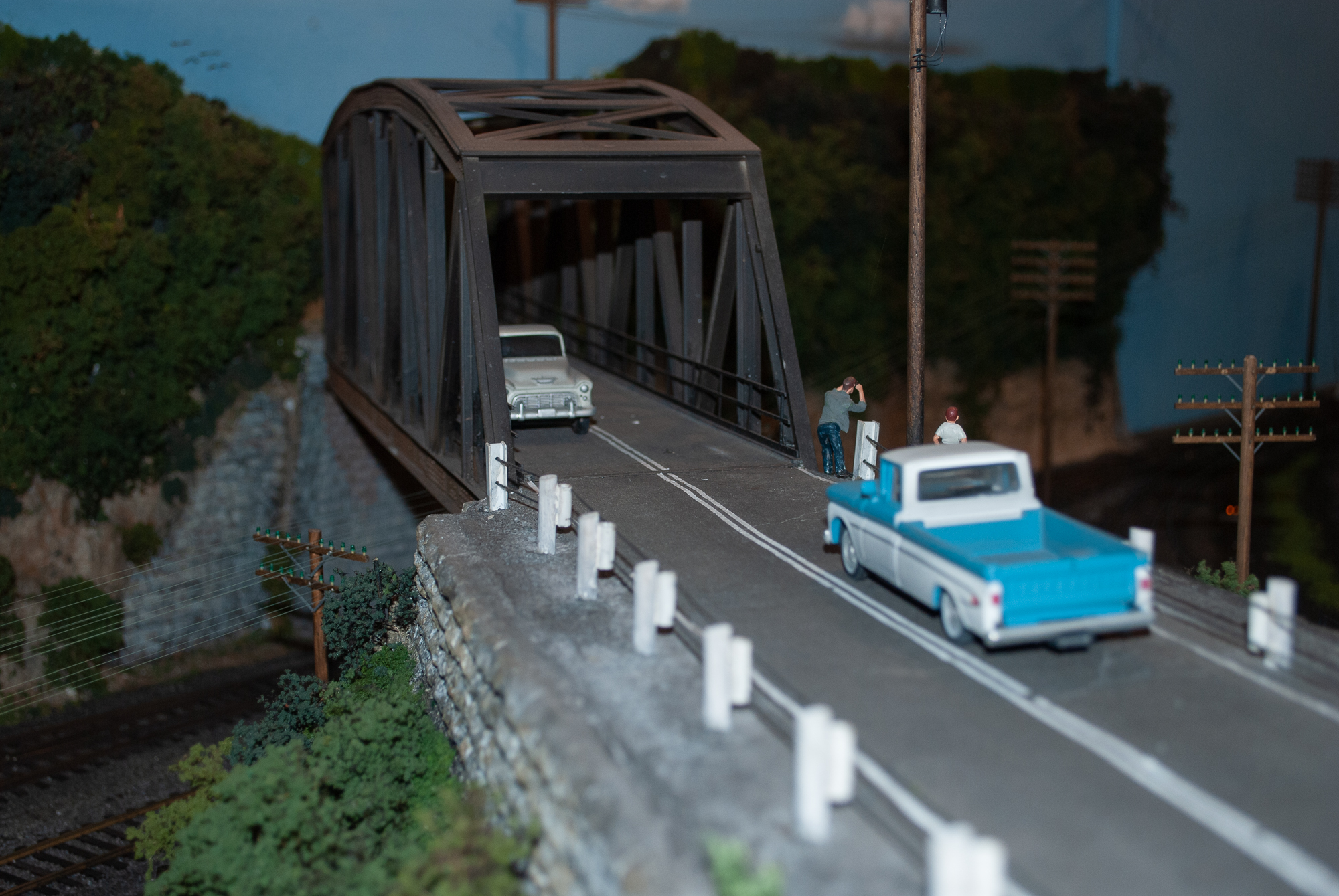
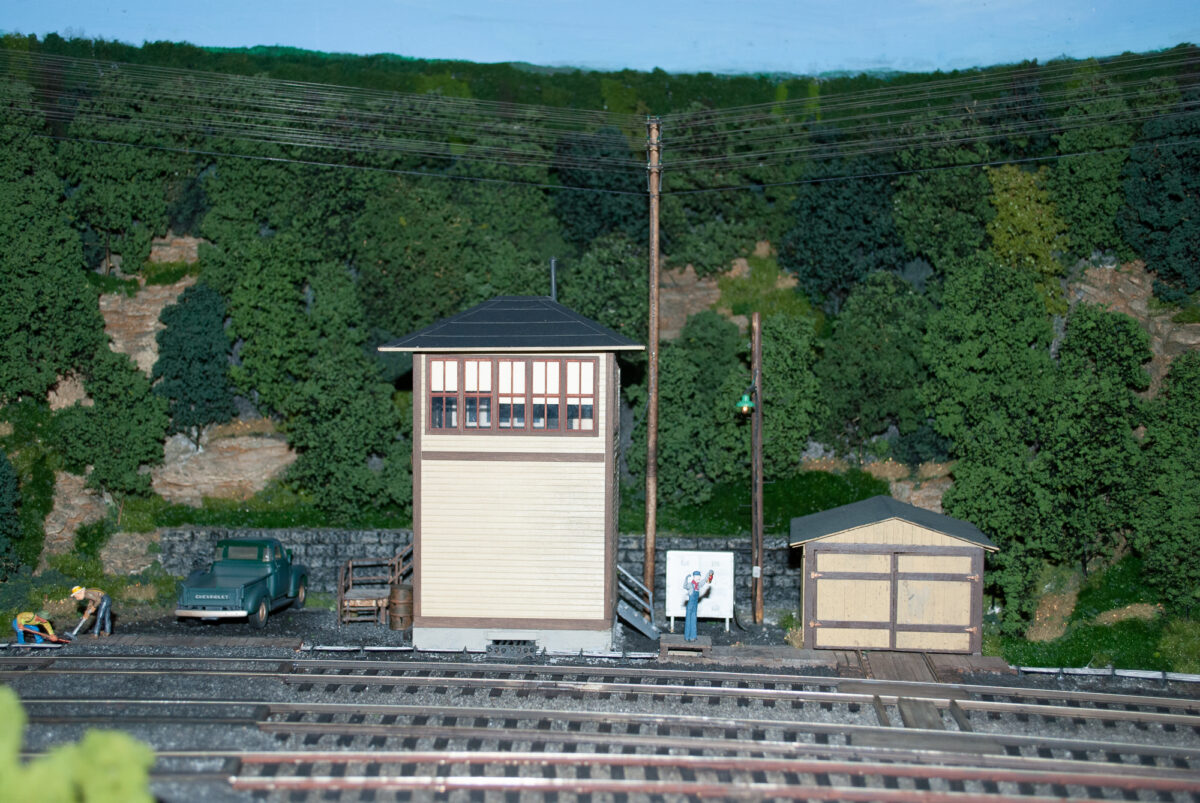
It’s actually a very simple layout if you look at the published plans. It’s basically a double track loop around his two car garage with a section across the middle for a yard area. What it may appear to lack because of the simplified track plan design, it makes up for in scenes that are recreated on the railroad. The rail fans on the overpass could have been my brother and me. Notice the fence posts.

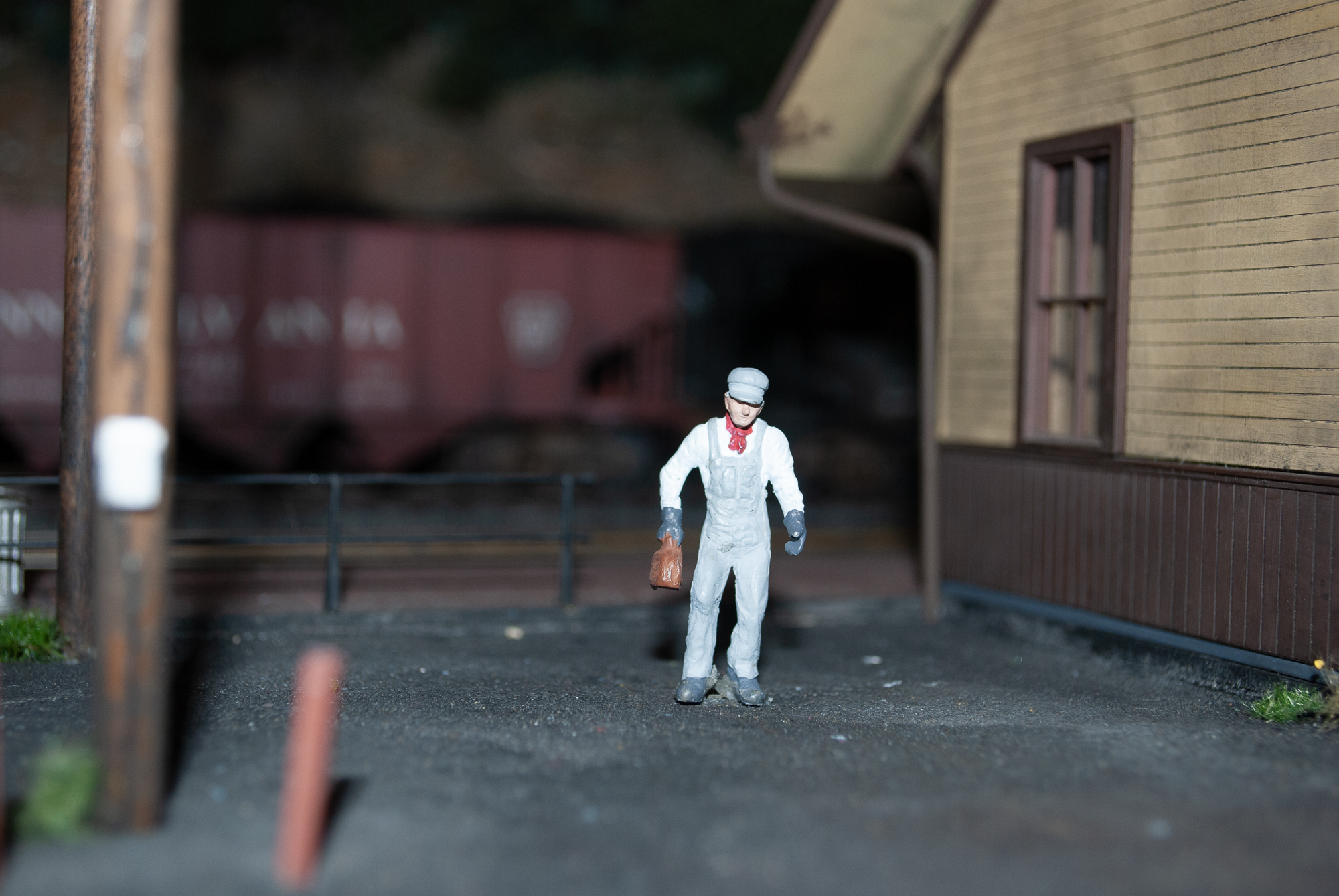
Or this simple scene of a crewman walking out to his car at the end of the workday. How many times have we seen that rail fanning? But how many times have you seen it on a layout?

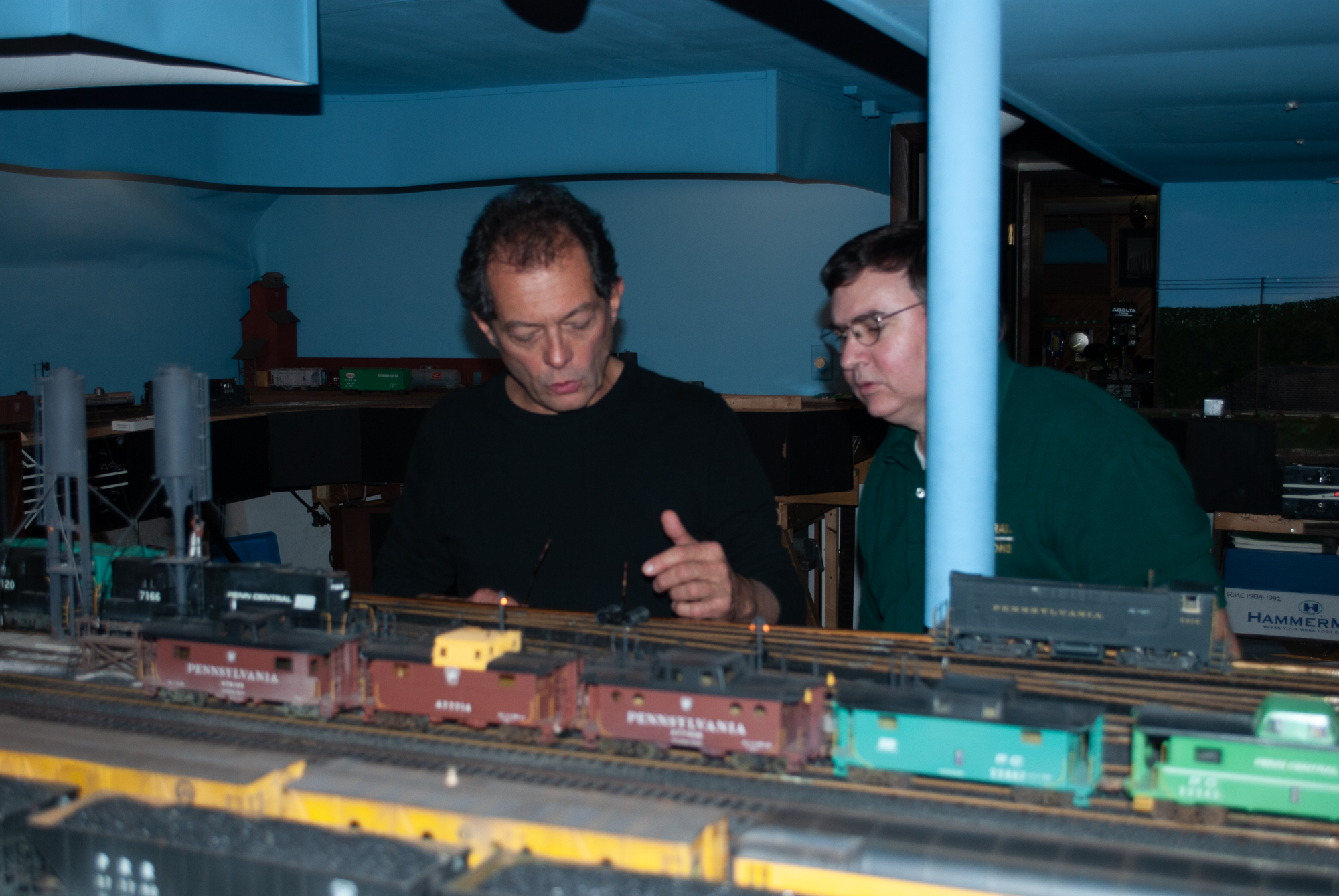
Here is Rob talking with Rich Yoder about freight car truck.