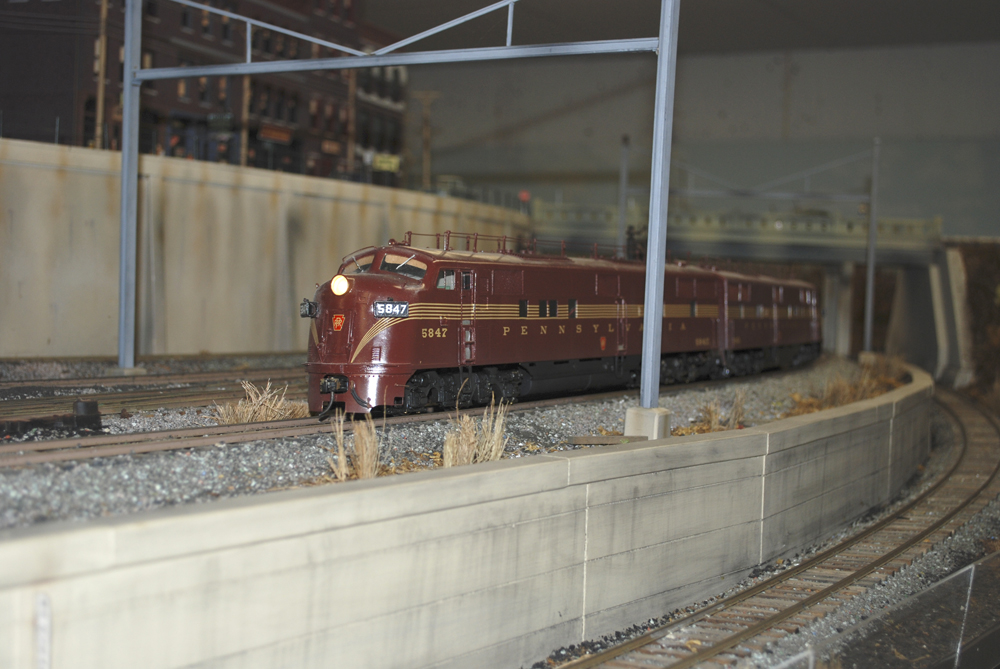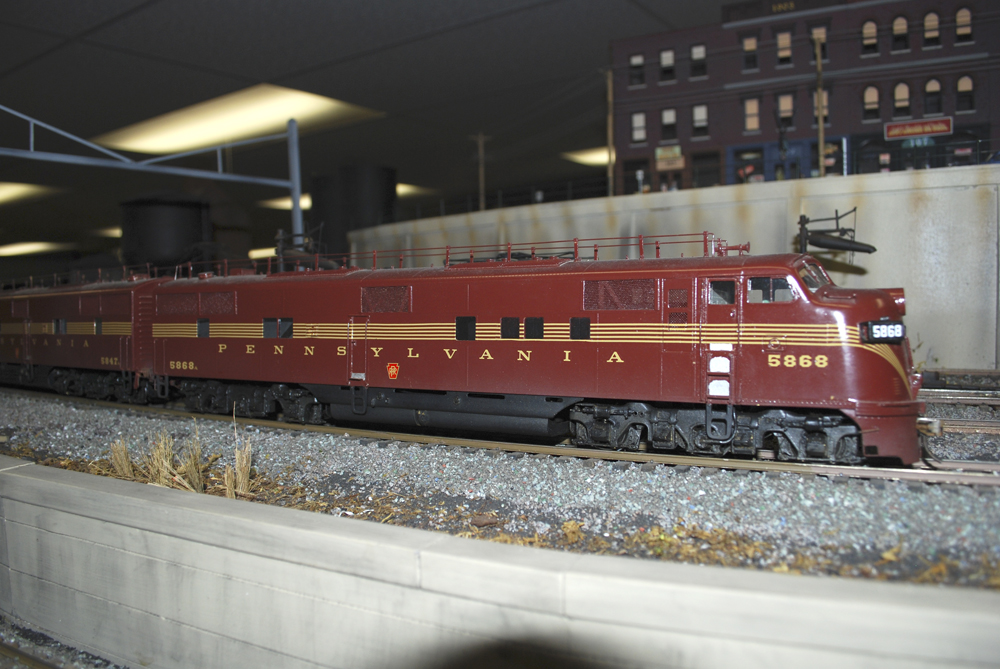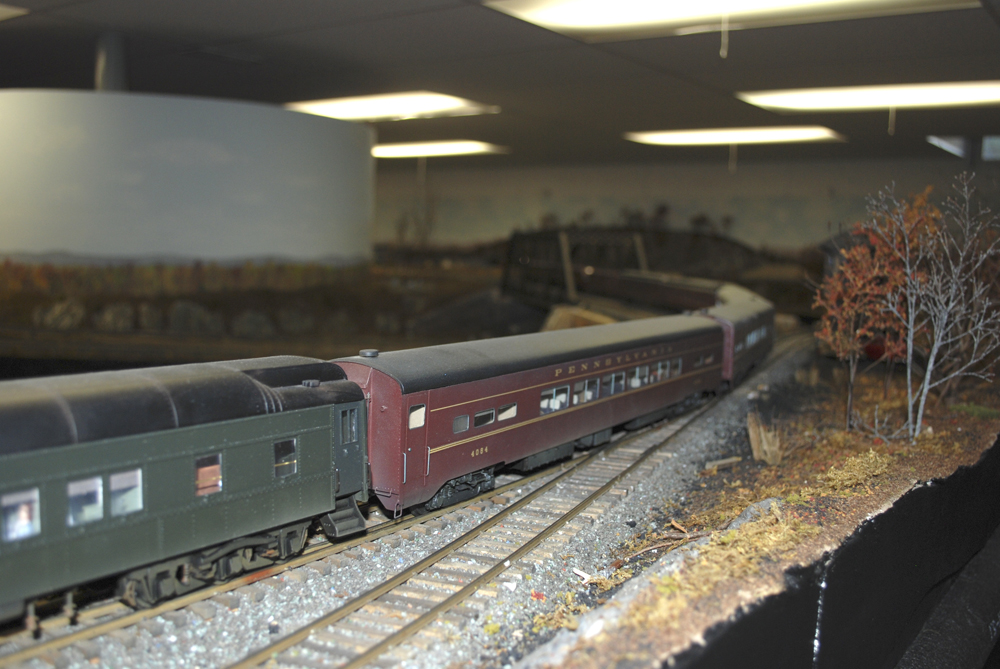
Reading EMD Freight Cab Units DF-1, DF-2, DF-4

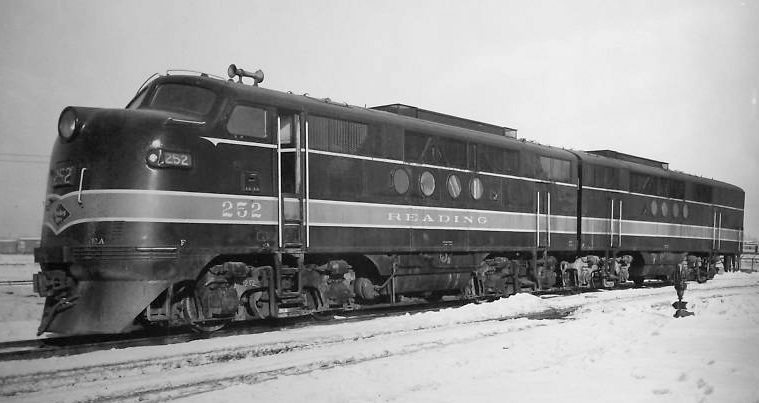
Reading DF-1 #252 A-B
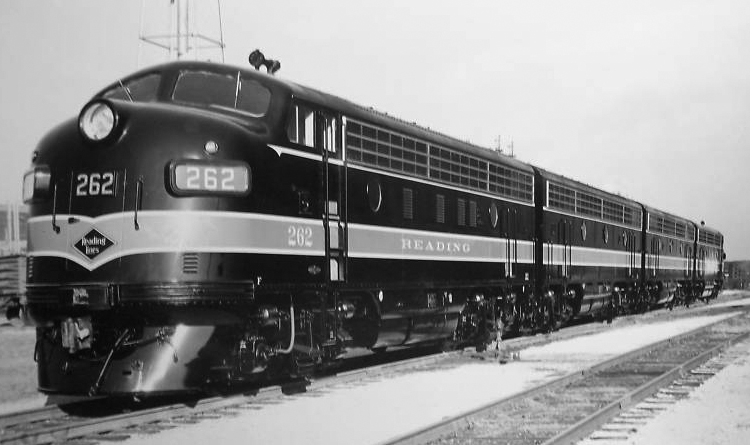
Reading DF-2 EMD F3 #262
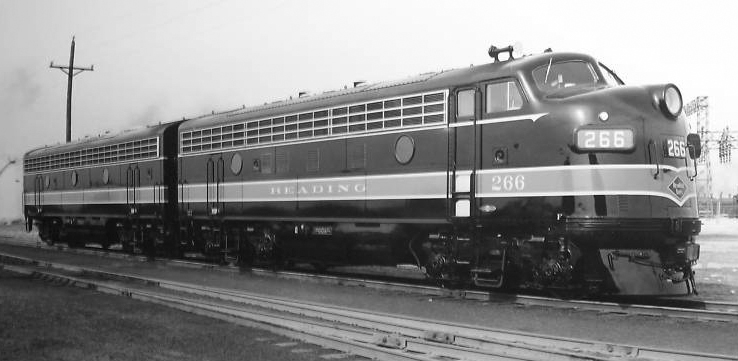
Reading DF-4 EMD F7 #266


No.BuiltRDG ClassEMD ClassHPEngine House Assignment
2501/45DF-1FTA1350 
250 B1/45DF-1FTB1350 
2511/45DF-1FTA1350 
251 B1/45DF-1FTB1350 
2521/45DF-1FTA1350 
252 B1/45DF-1FTB1350 
2531/45DF-1FTA1350 
253 B1/45DF-1FTB1350 
2541/45DF-1FTA1350 
254 B1/45DF-1FTB1350 
2551/45DF-1FTA1350 
255 B1/45DF-1FTB1350 
2562/45DF-1FTA1350 
256 B2/45DF-1FTB1350 
2572/45DF-1FTA1350 
257 B2/45DF-1FTB1350 
2582/45DF-1FTA1350 
258 B2/45DF-1FTB1350 
2592/45DF-1FTA1350 
259 B2/45DF-1FTB1350 
26011/48DF-2F3A1500 
260 B11/48DF-2F3B1500 
26111/48DF-2F3A1500 
261 B11/48DF-2F3B1500 
26211/48DF-2F3A1500 
262 B11/48DF-2F3B1500 
26311/48DF-2F3A1500 
263 B11/48DF-2F3B1500 
26411/48DF-2F3A1500 
264 B11/48DF-2F3B1500 
26511/48DF-2F3A1500 
265 B11/48DF-2F3B1500 
2663/50DF-4F7A1500 
266 B3/50DF-4F7B1500 
2673/50DF-4F7A1500 
267 B3/50DF-4F7B1500 
2683/50DF-4F7A1500 
268 B3/50DF-4F7B1500 
2693/50DF-4F7A1500 
269 B3/50DF-4F7B1500 
2703/50DF-4F7A1500 
270 B3/50DF-4F7B1500 
2713/50DF-4F7A1500 
271 B3/50DF-4F7B1500 
2723/50DF-4F7A1500NB
2733/50DF-4F7A1500NB
2743/50DF-4F7A1500 
2753/50DF-4F7A1500 
2763/50DF-4F7B1500 
2773/50DF-4F7A1500 
2783/50DF-4F7B1500 
2793/50DF-4F7A1500 
2803/50DF-4F7B1500 
2813/50DF-4F7A1500NB
2823/50DF-4F7B1500 
2833/50DF-4F7A1500 
2843/50DF-4F7B1500 

References:
Diesel Era – 1998 March/April – Reading’s First-Generation Diesels by by Paul K. Withers
FD&S – Vol. 12, No. 2 – Reading’s DF-2: TThe EMD F3 by Richard W. Jahn
Reading Diesels Volume 1 The First Generation – by Dale Woodland
The Revolutionary Diesel EMC’s FT – by Diesel ERA
Photograph’s from George Losse Collection.

One That Got Away

MTH SW-1 shell on an Atlas SW-8 frame

MTH SW-1 shell on an Atlas SW-8 frame

I bought this MTH SW-1 shell a couple of years ago. The SW-8 frame has the same wheel spacing as the SW-1 so I thought I could drop the shell on top of the frame. You pretty much can but there are a couple of other thing you need to do to finish up the model. The SW-1 frame top is a different pattern then the longer hood of the SW-8. Atlas did not continue the sapty tread pattern of the deck under the hoo or cab of their SW-8. WHy should they you would never see it. But when the shorter SW-1 hood was placed on top the difference is easy to spot. In the photo it shows up as the unpaited and untextured area in front and behind the shell.

This meant that a new frame deck was needed. I did that and I even cut it slightly wider then the frame deck to take care of the second visual difference in the frames. The SW-1 had a top lip to its frame, the side of the SW-8/9 has a smooth side.

If you have seen this site in the last year you would know that I have been going back and forth about how to model the Elmira branch of the PRR, include Williamsport or Southport wasusualy the hang up. Williamsport did not allow enough Reading to meet my need and Southport gave more interchange but none with the Reading. Anyway, I kept going back and forth about this unit and never finished the conversion because I would need the SW-1 and then the yard would change and I would need an SW-9. Since that is no longer the question and I do not need the SW-1 in this idea of the Shamokin division I decided the shell needed a new home which it now has.

BTW the SW-9 doesn’t fit in the new layout time period. So an All-Nation NW-2 shell is going on top of the Atlas frame. More on that to come.

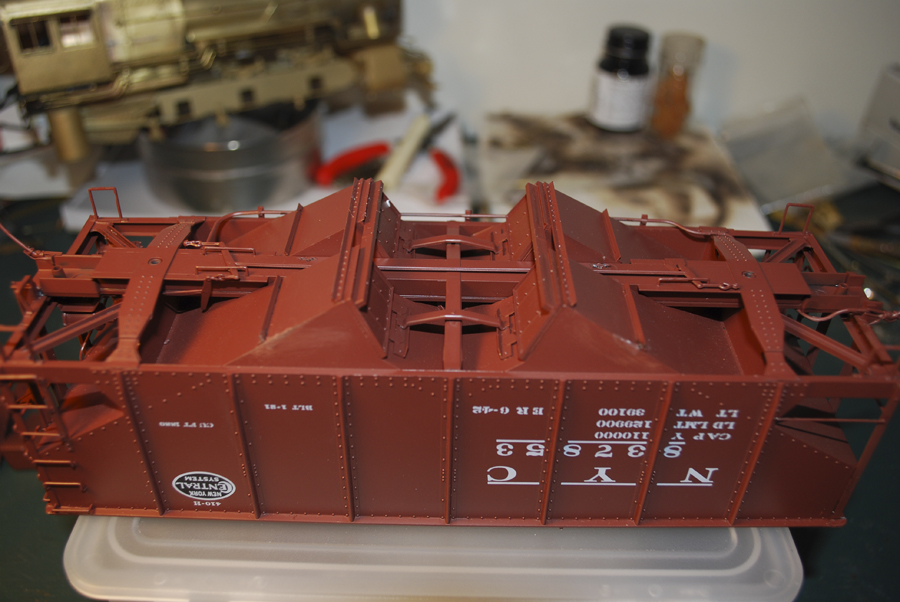
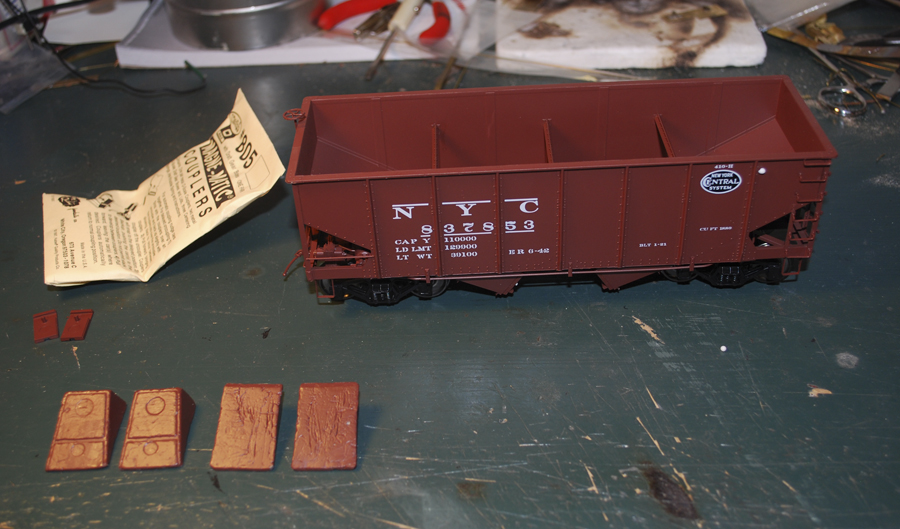
Upgrades to a Built-up NYC USRA twin

Intermountain NYC USRA Twin - Everything from the box

Intermountain NYC USRA Twin – Everything from the box

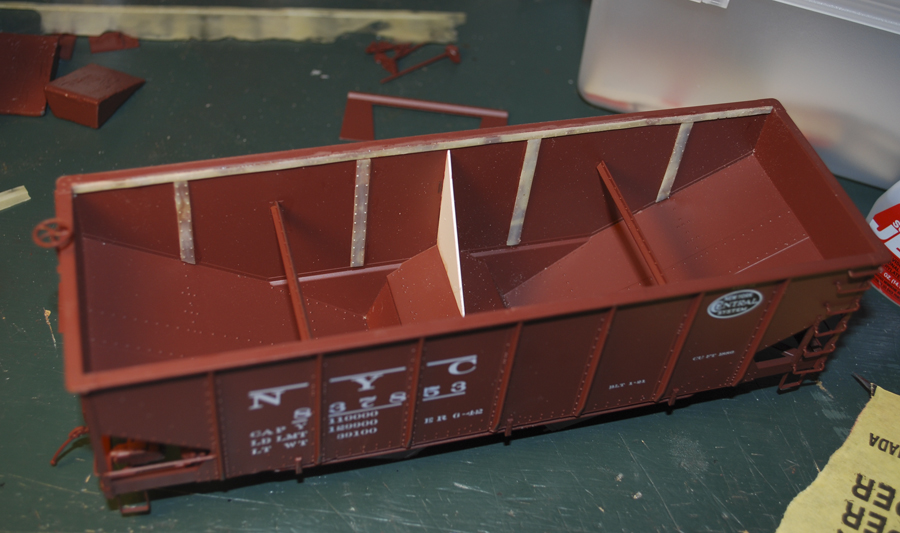
Starting from the bottom, the trucks were removed and then the hopper opening mechanism.Parts removed from underfram and the center crossmember on the interior.

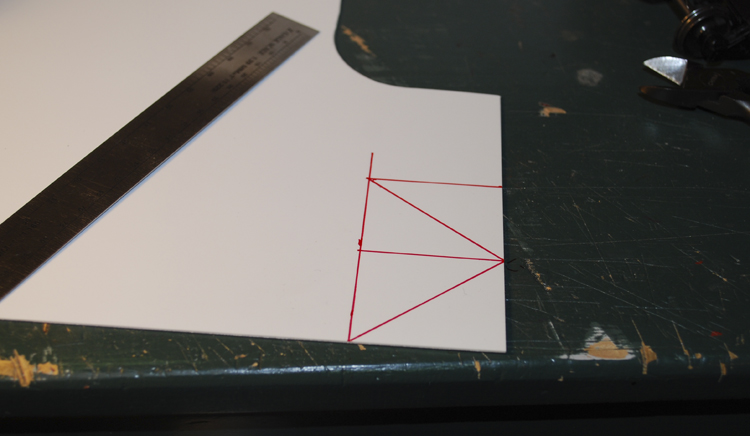
Laying out the center brace on .030 styrene

Laying out the center brace on .030 styrene

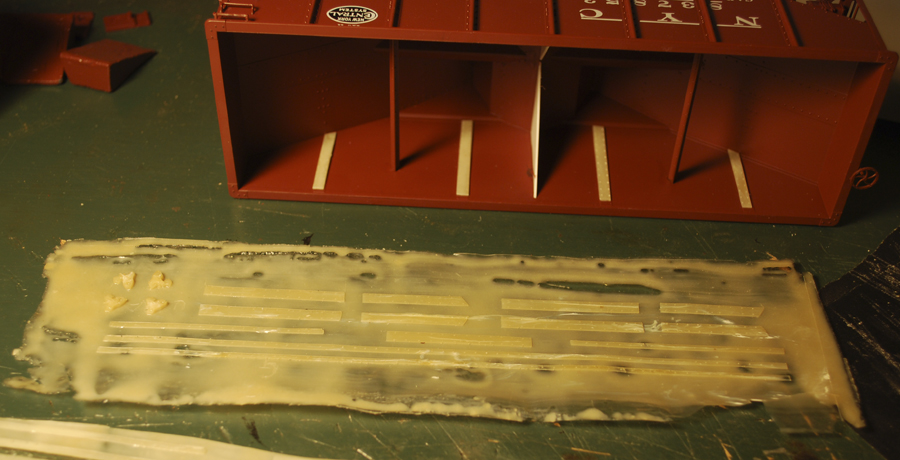
Center brace is in the car and the interior rivet detail is being fitted. Note the castings in the forground. I built all the parts to detail the interiors and then made a rubber mold and cast the parts.

Center brace is in the car and the interior rivet detail is being fitted. Note the castings in the forground. I built all the parts to detail the interiors and then made a rubber mold and cast the parts.

Details have been added to one side of the model.

Details have been added to one side of the model.

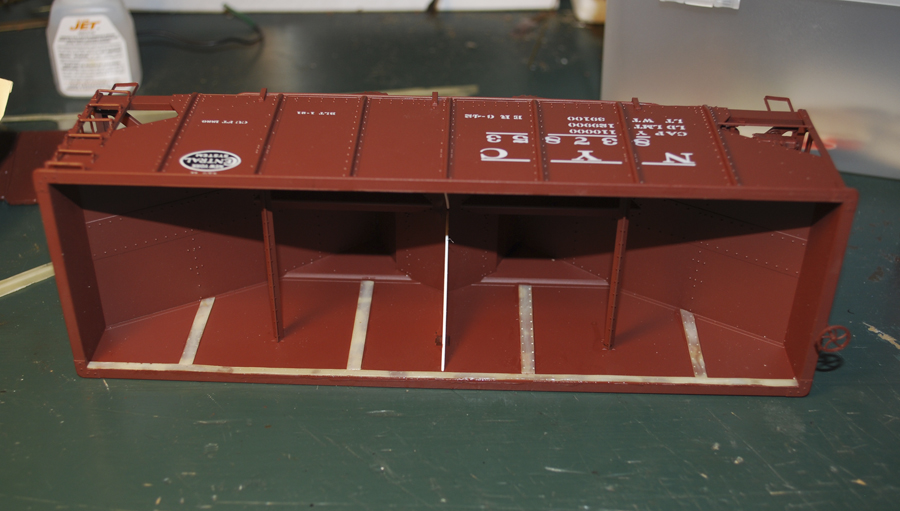
Rivets detail and center braces have been added in theis view.

Rivets detail and center braces have been added in theis view.

Layout Visit: Roy Dietz, 2009 PRR in Harrisburg and West

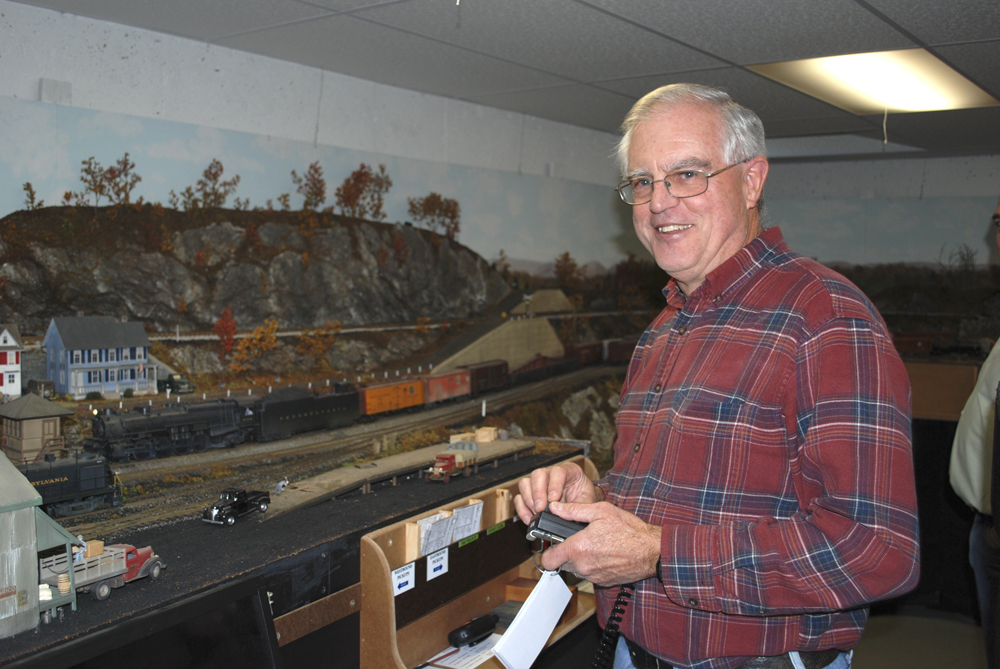
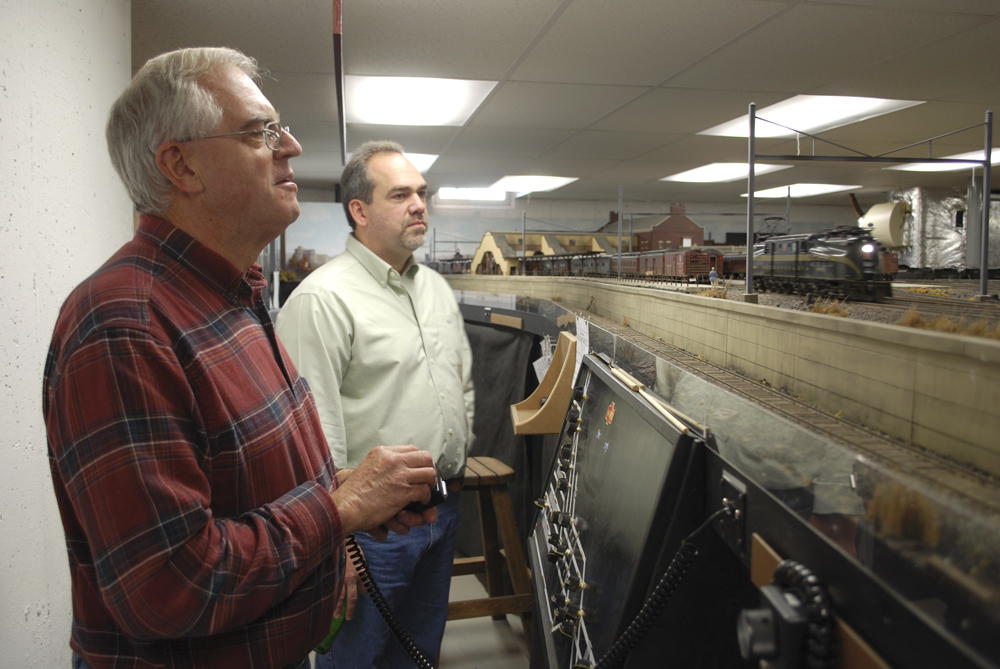
Roy Dietz operating the M1 making setouts.

Roy Dietz’s layout was on the 2009 National tour, I had planned to visit it on the ride North after the National. Just as I was approaching the area to get off of 95 a rather large thunder storm began. I really did not want to follow a bad map in the storm, so I stayed on 95 and figured I’d see the layout some other time.

About three months passed and I was over buying from an estate in Delaware and guess who was also in the basement that night, Roy Dietz. After I was introduced, I told him the story about not getting to see the layout because of the storm. He was nice enough to invite me over. But he said rather than just, see the layout like you would have after the National, why not come over and operate the layout?

I tried to round up a few folks to go with me but only one brave sole that day Matt Forsyth. We drove down to Maryland and found the home that housed the railroad. Roy had moved into the house just a couple of years before and built this new railroad. As you descend into the room the first scene you are confronted with is Harrisburg Passenger station. He has modeled the exchange of power at Harrisburg, which is the furthest point West that the electrics worked on the PRR. There is also a couple of smaller rural towns modeled which allow for the bulk of the freight operations.
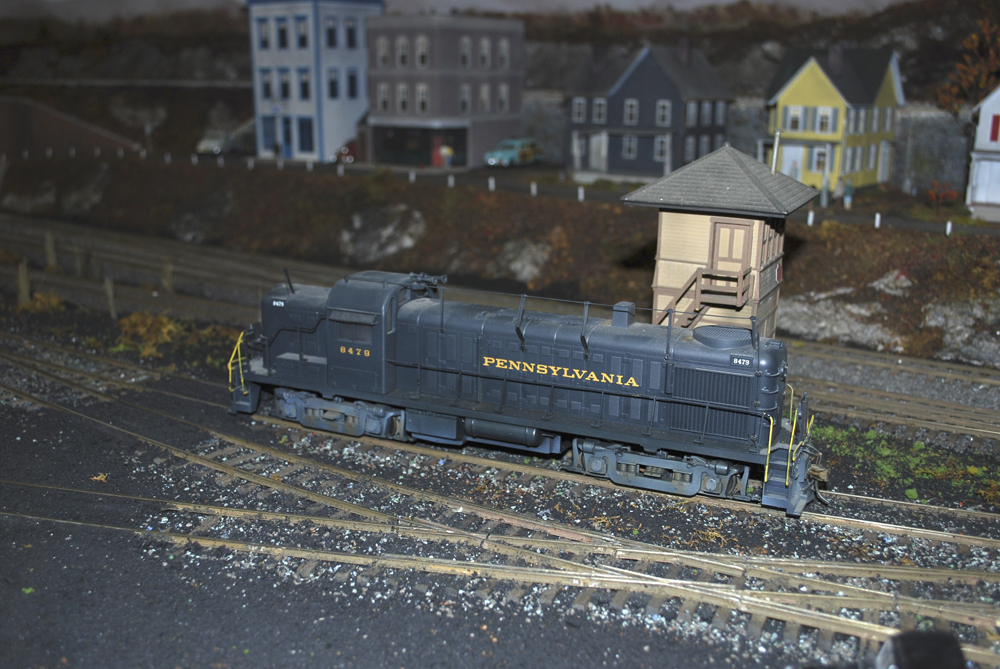
Yes, I did say operations. We operated a PRR RS-3 switcher pulling cars out of sidings placing car out for interchange and setting new cars back into the industries. I have to say that afternoon moved me. I had more fun with a simple switcher shifting cars around then I ever did while a member of a club. Trains are not meant to run in circles they are meant to deliver goods to and from industries.

This has caused me to rethink a lot of what I was planning.

Setouts dropped, now picking up cars.

The Simple Weaver Switcher that caused all the FUN!

Another industry to switch. the other side of the industries

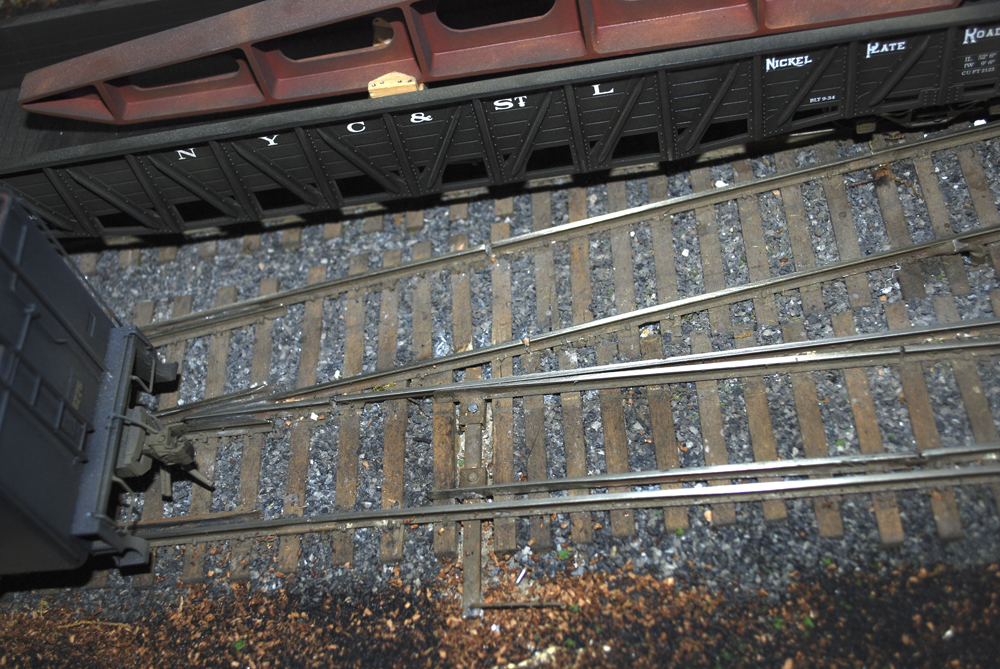
Roy’s switch point design.

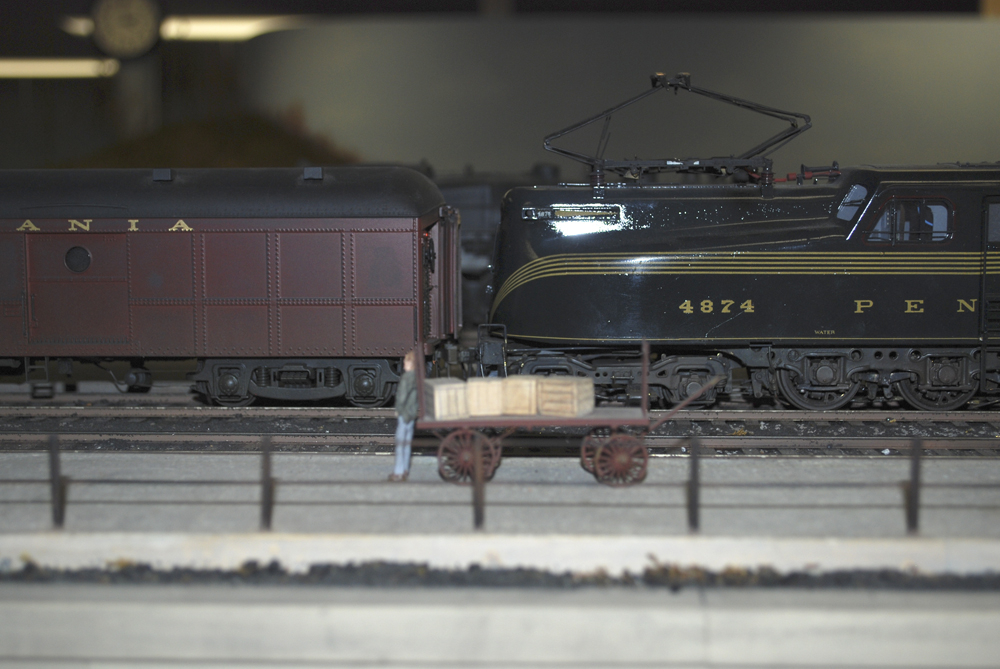
A GG1 brings a passenger train into Harrisburg

Roy cuts off the GG1 and moves it out of position

A pair of E7a’s move to couple up to the train.

The E7’s take the train West.

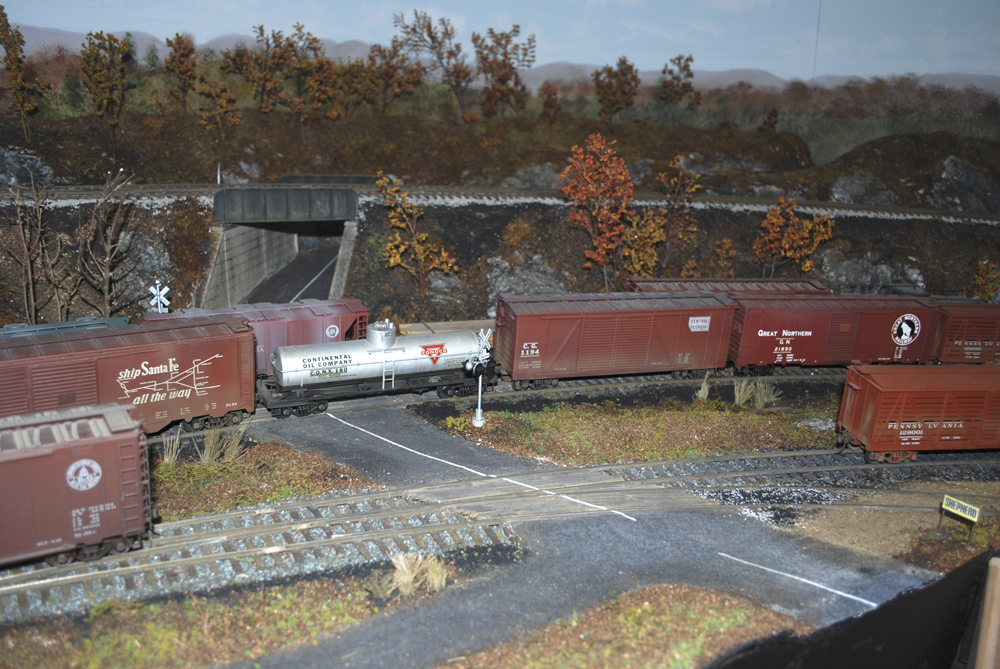
The train headed west

Gem PRR B6sb Tender

Rear View of Gem B6sb Tender

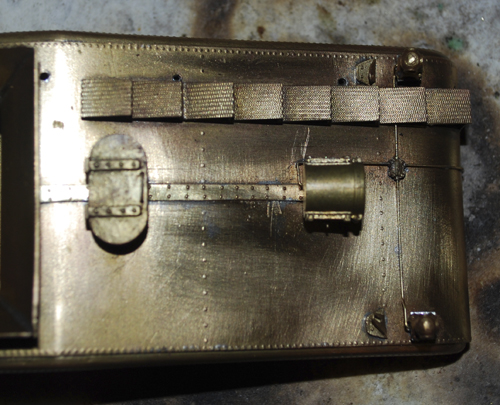
Top View of Gem B6sb Tender

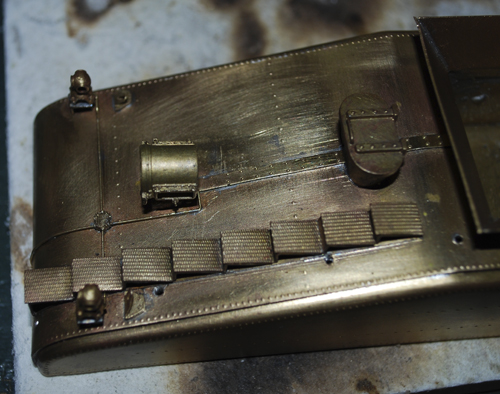
Side View of Gem B6sb Tender

Here is a quick look at what I have on my workbench. It’s a Gem PRR B6sb tender.

I started by removing the marker castings, handrails, and rear headlight.

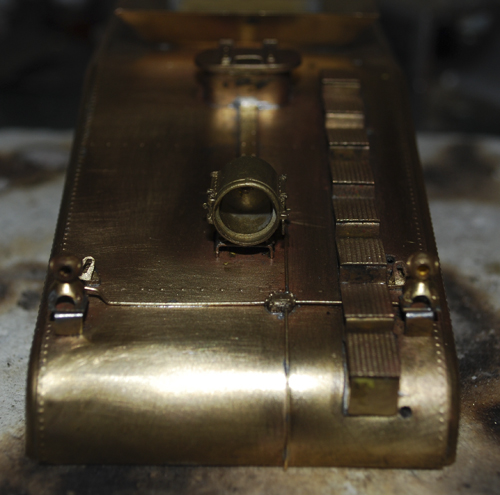
I made up the missing rivet strip for the middle of the tender by punching rivets in a piece of sheet brass and cutting out the strip. This was not as easy as working with styrene, although similar it had a very different feel to the process. Once it was made, it was soldered in place. The rivet strip in the photo was actually my second attempt. The first one looked OK until I asked myself a question, “If this were a styrene model instead of brass would I keep it?” The answer was no, so out came the torch and off it went. It only added an extra half hour to make the new part and solder it in place and it was time well spent.

Next came the new markers from Precision Scale (PSC) . My friend Matt Forsyth suggested placing a small square of brass under the markers feet since they did not sit well on the Gem brackets. That worked out great. It was tough trying to hold them while soldering them in place they tended to want to walk, but I applied pressure from the top to try to minimize this movement and was able to get them soldered on.

I next added the lifting brackets and a new headlight from Trackside Specialties. The headlight bracket was a pain because of the tiny feet on the casting. I left the mold spur at the bottom of the casting and alloud it to go through the bottom of the headlight platform on the tender. This allowed another surface to be soldered and gave the whole assembly some added strength.

Tonight, I added the conduit for the markers and headlight. I formed brass wire for one side of the conduit based on photo of the rear of the tender. This was fed through the casting for the junction box. The second side had to be formed with the casting on the wire. after that was soldered in place the two vertical conduits were formed and soldered in place.

Still to go is the remake of the handrails for the back of the tender and a little more clean up on the coal bunker.

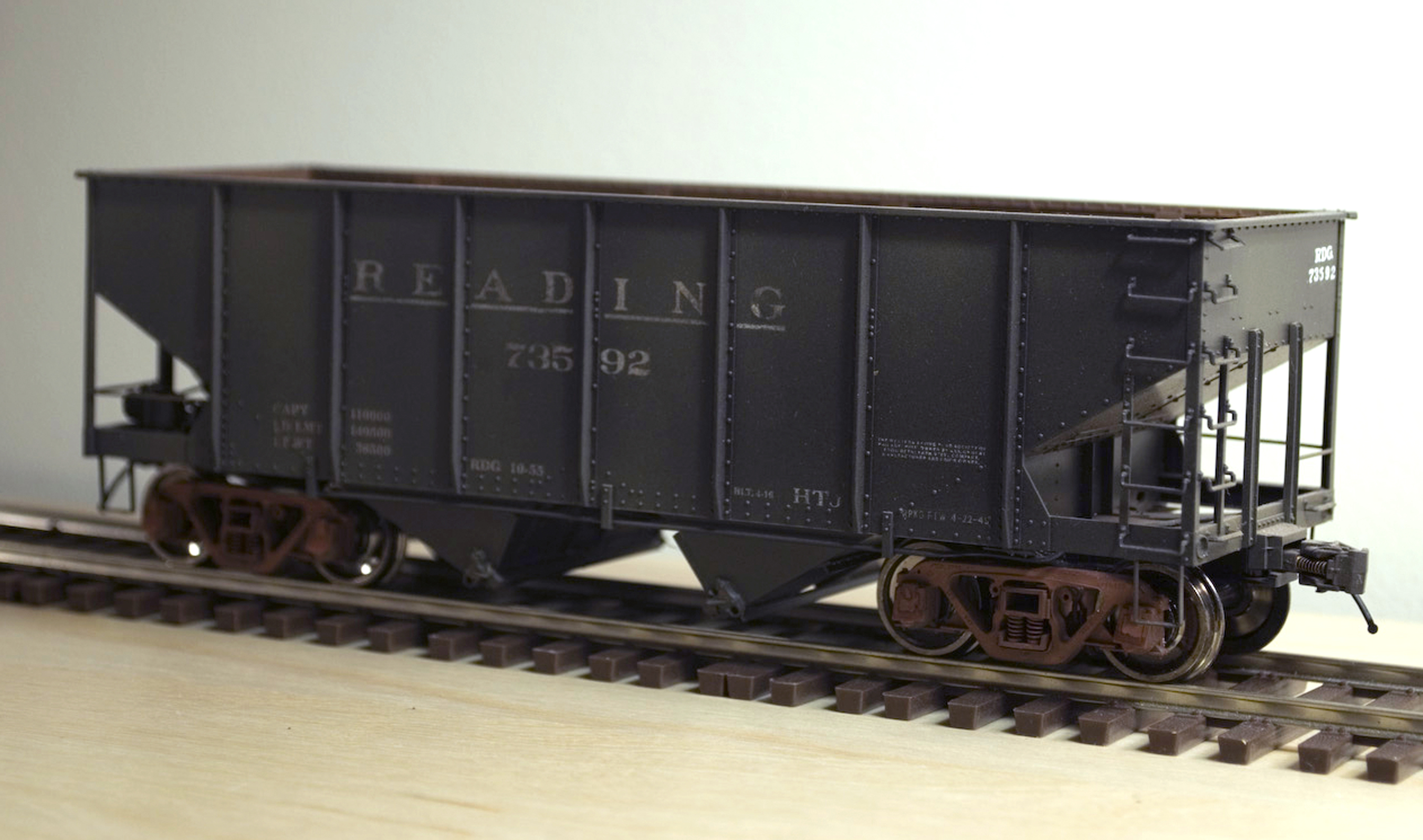
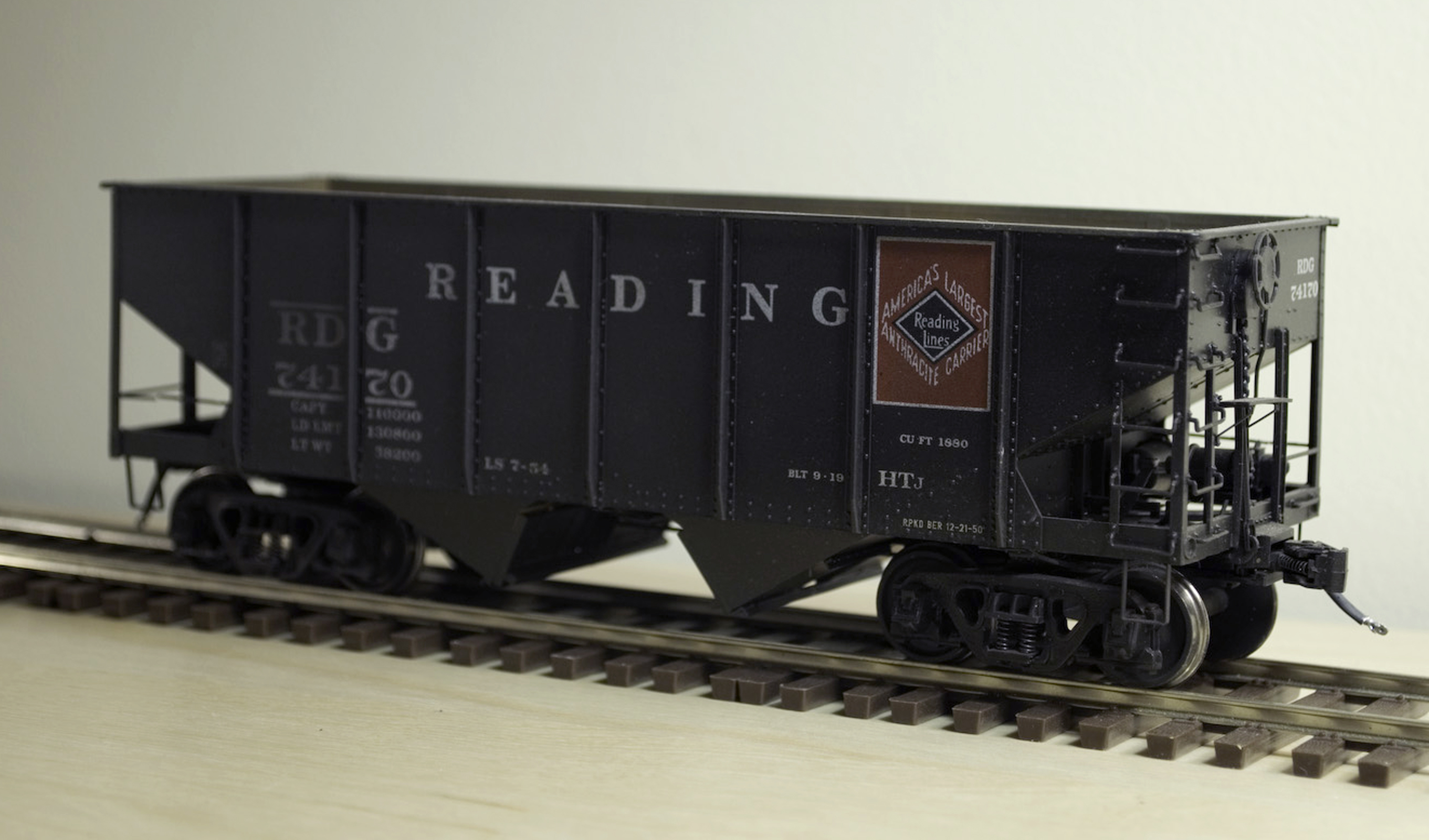
Model: Reading HTj 73592 (USRA Twin)

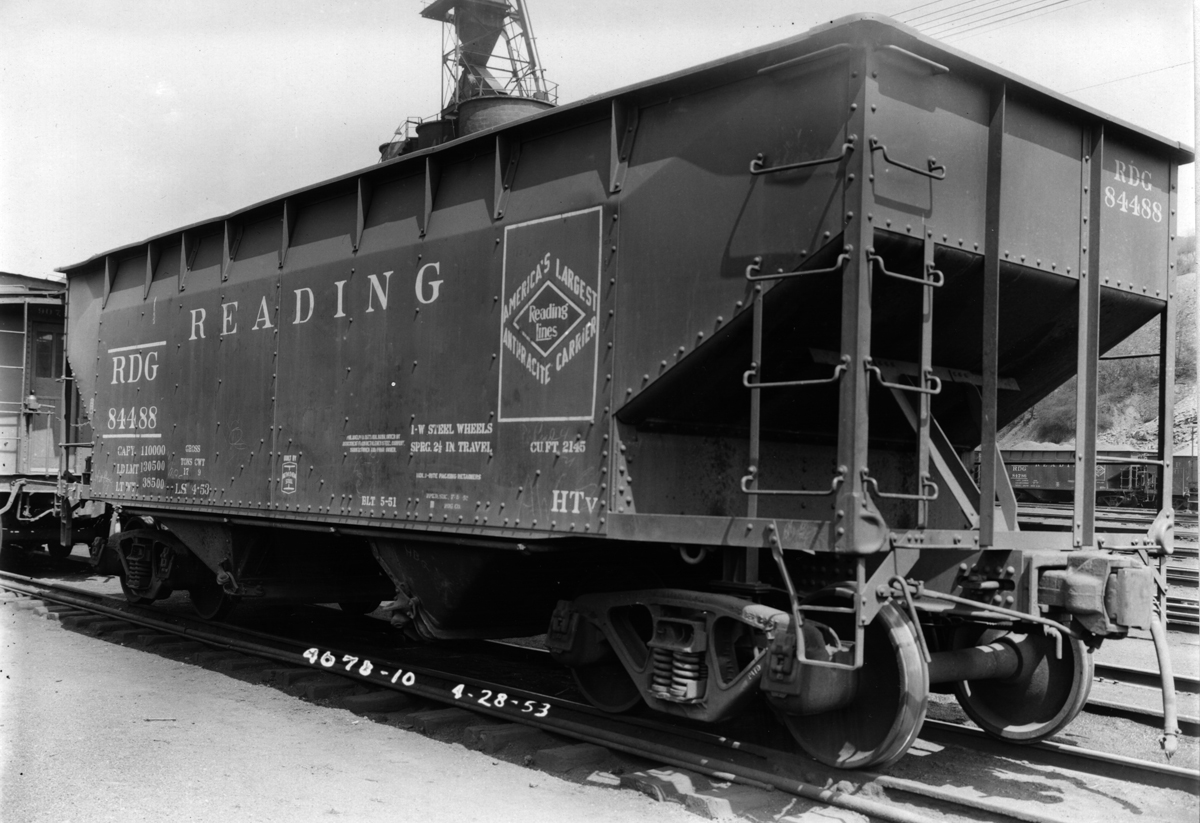
RDG HTj 74170 built from an Intermountain Kit

I started with an undecorated Intermountain USRA Twin Kit to build this Reading class HTj hopper. The lettering was pieced together from the Microscale #48-496 Reading Twin Hopper set. This model represents a car that was painted prior to WW2.

The Reading replaced the as delievered brake ratchet with a power hand brake and upgraded the car to AB brakes by the late thirties. Parts from an Intermountain Boxcar were used to make the changes.

This model is riding on San Juan 50 ton Andrews trucks with PSC wheelsets. They still need to be painted.

Model: Reading HTj 74170 (USRA Twin)

RDG HTj 74170

The Intermountain Kit was used to build this Reading class HTj USRA Twin. The factory lettering was the basis for this model with additional lettering coming from the Microscale #48-496 Reading Twin Hopper set.

The Reading replaced the as delievered brake ratchet with a power hand brake by the late thirties. Parts from an Intermountain Boxcar were used to make the changes. The Kit was built to represent a car that had been upgraded to AB Brakes.

This model is riding on Athern Andrews trucks with Intermountain wheelsets. While this does make an nice rolling truck it will be changed out to the San Juan 50 ton Andrews like it had when it was a Proto48 model.

Hidding in the Background

PRR B6sb 721 in Camden 1953

Here is a nice photograph of PRR 721 switching in Camden, NJ in 1953. The Campbell Soup Building is in the background with it’s signature soup can water towers.

Also in the background is a PRR H21a, just a normal run-of-the-mill H21a, only it’s not. If you look closely you can see that the car has been spot re-painted. This was one of the cars that were leased to the N&W and now has returned to the PRR.

This Photo was also published in the Morning Sun Book – Pennsy Steam Years 1

Layout Visit: Pat Mitchel, 2009 O Scale National

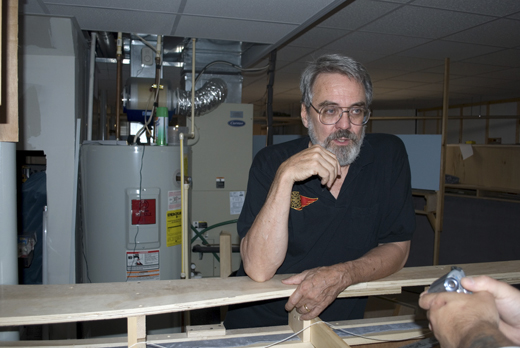
Pat Mitchell

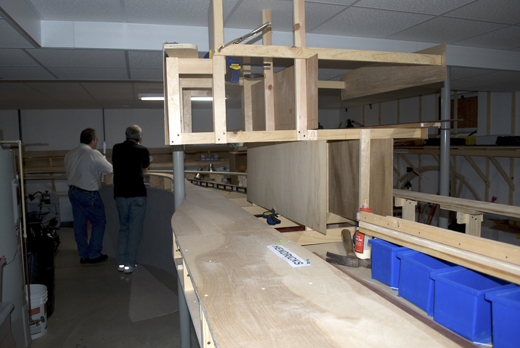
As I was leaving the National, I went to visit Pat Mitchel’s layout. While only in the beginning bench work stage, it still out-did many layouts I’ve seen and left me questioning things that I had decided against for my own railroad.

Pat designed his layout using a 3D PlanIt (a model railroad based CAD program). He had the sub-roadbed cut by a local business on a CNC machine using the drawing he made with 3D PlanIt. Chris Smith had spoken about this approach the day before as he had his sub-roadbed cut the same way.

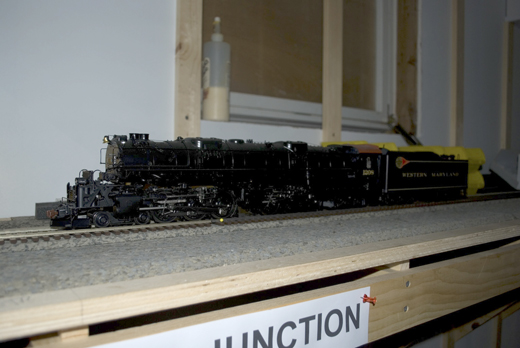
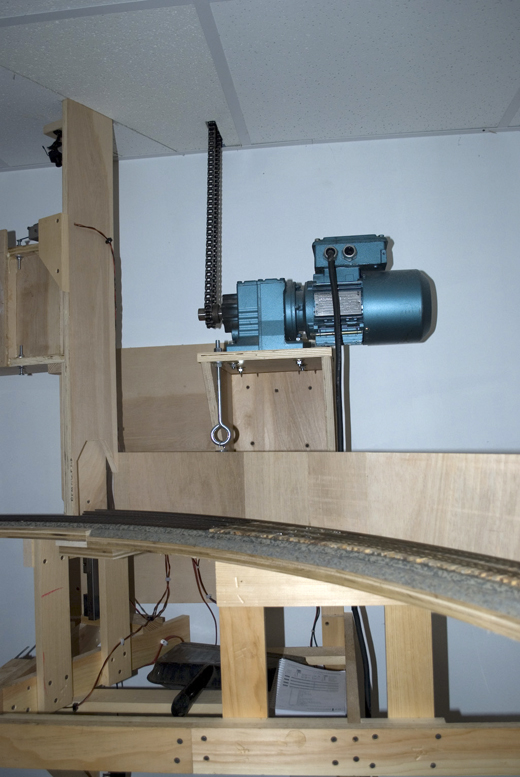
The layout is influenced by John Armstrong, but is not nearly as crowded as most of his design followers. Only a small portion of the railroad had track laid. Pat did operate a locomotive through the room for us. Including using his “elevator” to raise an entire length of train from one level to the another.

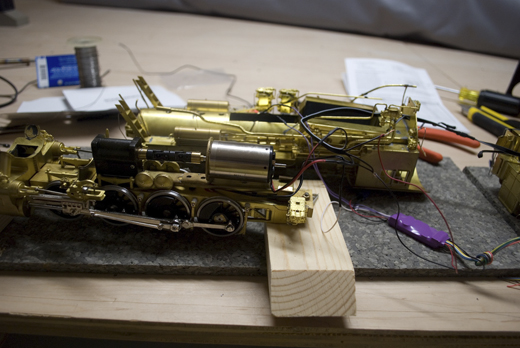
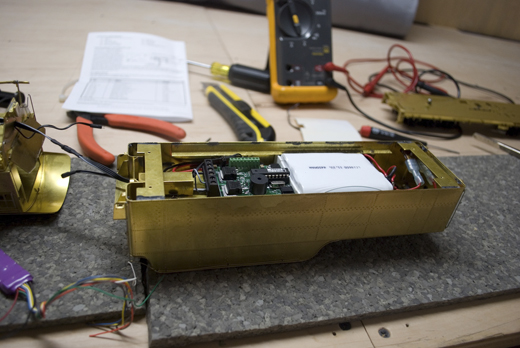
There are no feeder wires attached to his rails as there is no power going through them. His locomotives carry their own power in battery pack and receive their commands through the air using the Airwire system. I have to admit to reading everything I could find in the weeks after the National about Airwire. I was very impressed, and when the batteries get a little smaller I think it will become the standard for Command Control.

Pat was a great host answering questions and talking about what he had done so far. This was one of the layouts I wanted to see and I was very impressed even in its beginning stages.

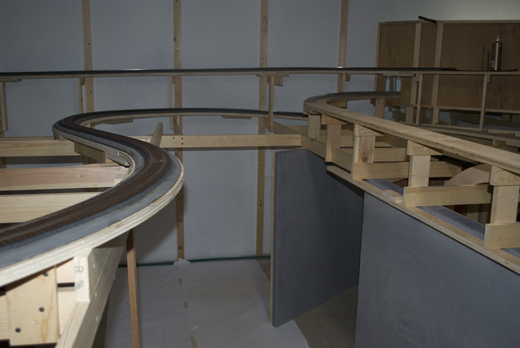
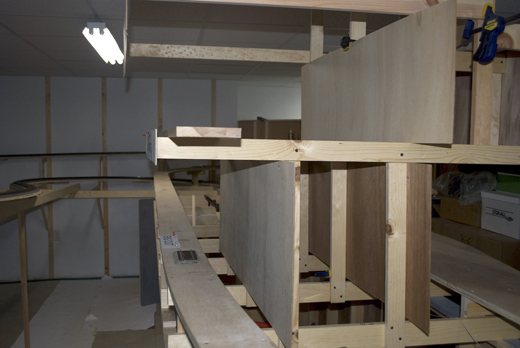
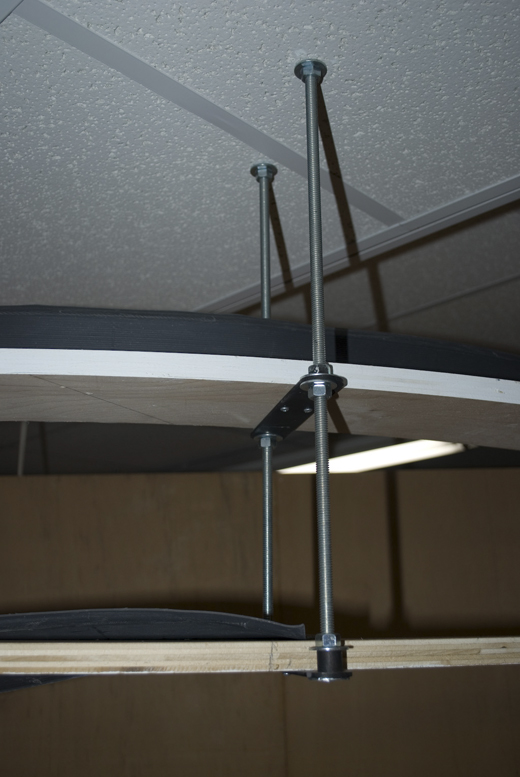
Some of the Benchwork

The benchwork that caused me to re-think the number of levels that are possible with O scale.

Pat discussing the layout with Matt

One of Pat’s models equipped with an AirWire system

One of Pat’s models showing the installation of a new motor and sound system.

The electronics in the tender. The white thing is the battery.

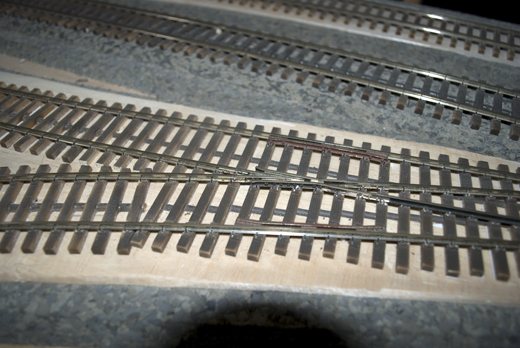
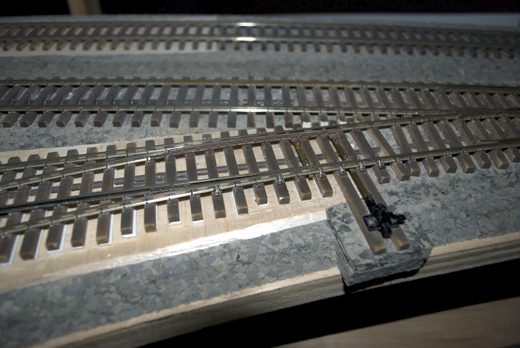
One of Pat’s beautiful Proto48 turnouts.

Close up of the points.

Everywhere you looked there were nicely built solutions to common problems.

Chris Smith

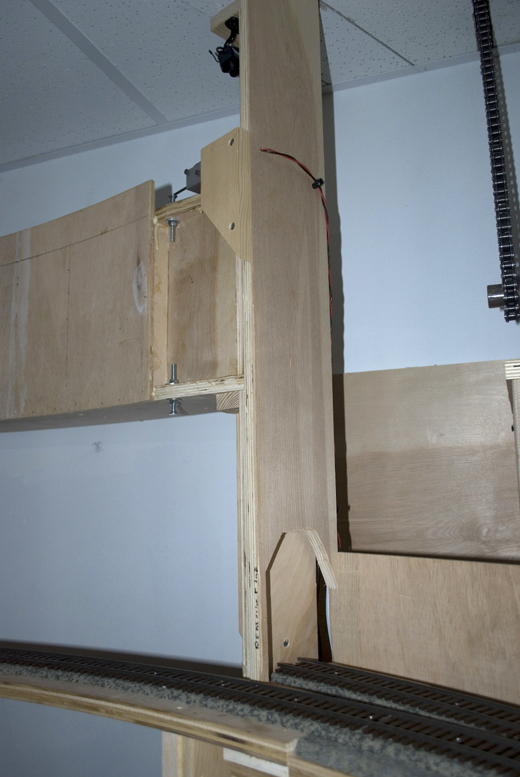
The elevator

The elevator in the “Up” position.